
Avian Flu Outbreak Among Seals Prompts Closure of California’s Año Nuevo State Park
First Marine Mammal Outbreak Detected in California Waters
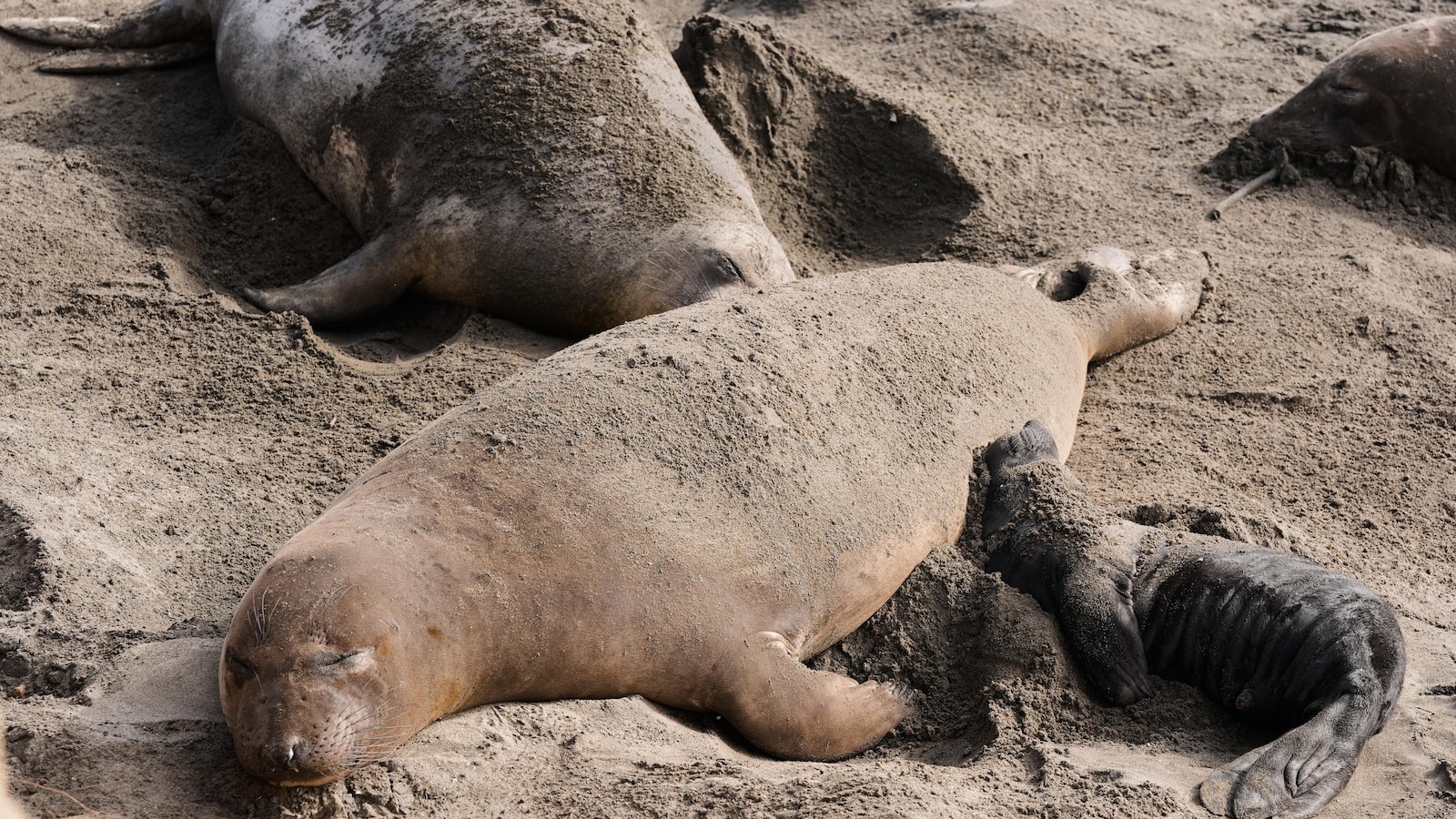
In a concerning development for wildlife health officials, seven elephant seal pups at California’s Año Nuevo State Park have tested positive for the highly pathogenic avian influenza virus, marking the first confirmed outbreak of this disease among marine mammals in the state. The discovery, announced by researchers from the University of California-Santa Cruz and UC Davis, has led to immediate action by park officials who have made the difficult decision to cancel the remainder of the season’s popular seal-watching tours. The outbreak comes as part of a larger global bird flu pandemic that began in 2020 and has already devastated bird populations worldwide while increasingly affecting marine wildlife, particularly seals and sea lions. While the risk to humans remains low according to health officials, the situation has raised serious concerns about the vulnerability of these marine mammals and the potential for further spread within the seal population during their critical breeding season.
Understanding the Global Context of the Avian Flu Crisis
The current outbreak at Año Nuevo is not an isolated incident but rather part of a disturbing worldwide pattern that has seen the avian flu virus jump from birds to various marine mammal species with devastating consequences. Since 2020, the bird flu outbreak has resulted in the deaths of millions of domesticated birds across the globe, and the virus has shown an alarming ability to adapt and spread to wildlife populations that were previously unaffected. Marine mammals, particularly seals and sea lions, have proven to be especially susceptible to this disease, suffering mass mortality events in several locations around the world. In South America, the impact has been particularly severe, with thousands of sea lions dying in Chile and Peru, while Argentina has witnessed the deaths of thousands of elephant seals. Closer to home, the New England coast has experienced the loss of hundreds of seals in recent years due to the same virus. This pattern of vulnerability among marine mammals has made the detection of the virus at Año Nuevo particularly worrisome for scientists and wildlife managers who understand that California’s seal populations could face similar devastating losses if the outbreak is not carefully monitored and contained.
The Significance of Año Nuevo State Park’s Seal Population
Año Nuevo State Park, located approximately 90 minutes south of San Francisco on California’s rugged coastline, serves as one of the most important breeding grounds for northern elephant seals on the entire Pacific coast. Every winter, thousands of these magnificent creatures, which are the largest seals on the planet, make their way to the park’s beaches to engage in their annual breeding rituals. The spectacle that unfolds is truly remarkable: massive bulls, some weighing up to 5,000 pounds, engage in brutal battles for dominance and mating rights, while females give birth to their pups and nurture them on the crowded beaches. This natural phenomenon has made Año Nuevo a premier destination for wildlife enthusiasts, tourists, and nature photographers who come from around the world to witness these incredible animals in their natural habitat. The park has traditionally offered two ways for visitors to experience this wonder: public viewing areas where people can observe the seals from a distance, and docent-led guided walks that take small groups through the breeding grounds, known as rookeries, providing educational commentary and closer (though still respectful) views of the animals. The economic and educational value of these tours has been significant, making the decision to cancel them a difficult but necessary choice in the face of this health crisis.
Swift Detection and Response to the Outbreak
The rapid identification of this outbreak demonstrates the value of proactive wildlife health monitoring and the preparedness of California’s scientific community. Christine Johnson, director of the Institute for Pandemic Insights at UC Davis’ Weill School of Veterinary Medicine, explained that researchers had been maintaining a heightened state of alert in recent years, specifically watching for any signs that the avian flu virus might arrive in California’s marine mammal populations. This vigilance paid off when sick and dead seal pups were spotted on February 19th and 20th, prompting immediate action from the research teams. Scientists quickly collected samples from the affected animals and sent them to the California Animal Health and Food Safety Laboratory System for testing. The laboratory work confirmed what researchers had feared: the animals were infected with the HPAI H5N1 virus, the highly pathogenic avian influenza strain that has been causing problems worldwide. At the time of the announcement, samples from approximately 30 additional animals were still being processed, and several more seals were showing symptoms consistent with the disease. The collaborative response involves not only university researchers but also state and federal wildlife management agencies and The West Coast Marine Mammal Stranding Network, demonstrating the comprehensive, multi-agency approach needed to address such a complex wildlife health crisis.
Protective Measures and Public Safety Considerations
Jordan Burgess, deputy district superintendent of the California Department of Parks and Recreation, emphasized that the decision to close viewing areas and cancel tours was made “out of an abundance of caution.” The primary concern is not necessarily the risk of human infection, which health officials consider to be low, but rather the potential for humans to inadvertently contribute to the spread of the virus among the seal population. When people walk through areas where infected seals have been present, they could potentially carry the virus on their shoes or clothing to other parts of the rookery, exposing healthy seals to the pathogen. This type of mechanical transmission, while perhaps less obvious than direct animal-to-animal contact, could significantly worsen an outbreak situation. Burgess was clear in stating that officials are “definitely not panicking about human exposure at this point,” but rather focusing their efforts on protecting both the seal population and the general public health. Nevertheless, officials have issued clear guidance for anyone who might encounter seals in the area: people should avoid approaching the animals and should ensure that pets are kept well away from seals. These precautions serve the dual purpose of protecting both the seals from stress and potential additional disease exposure, and protecting people and their pets from any possible risk of infection.
Looking Forward: Implications for Wildlife Conservation and Tourism
The outbreak at Año Nuevo State Park represents a challenging intersection of wildlife conservation, public health, and economic considerations that will likely have lasting implications for how California manages its marine mammal populations and wildlife tourism. For the immediate future, the focus remains on monitoring the affected seal population, determining the extent of the outbreak, and understanding how the virus is spreading among the animals. Researchers will continue testing sick and dead seals to track the progression of the disease and will work to determine whether the outbreak can be contained or if it will spread to other seal colonies along the California coast. The cancellation of the seal-watching tours, while necessary for public health and wildlife protection, represents a significant loss for both the educational mission of the park and the local economy that benefits from wildlife tourism. However, it also demonstrates the commitment of California’s wildlife management agencies to prioritize animal health and public safety over short-term economic considerations. As scientists learn more about how avian flu affects marine mammals and how it spreads within these populations, they will be better equipped to develop strategies for preventing future outbreaks and minimizing their impact when they do occur. This outbreak serves as a reminder that in our interconnected world, diseases can jump between species in unexpected ways, and that protecting wildlife health is an essential component of protecting human health and maintaining the natural treasures that places like Año Nuevo State Park represent for future generations.