
The Death and Aftermath of “El Mencho”: The Fall of a Cartel Empire
The Final Chapter of a Notorious Criminal Leader
The death of Nemesio Rubén Oseguera Cervantes, infamously known as “El Mencho,” marks a significant turning point in Mexico’s ongoing battle against organized crime. Last week, Mexican military forces conducted a successful operation in the state of Jalisco that resulted in the fatal wounding of one of the world’s most wanted drug traffickers. The man who had commanded fear across Mexico and beyond, with a staggering $15 million U.S. bounty on his head, succumbed to his injuries while being transported by air to Mexico City. On Saturday, Mexico’s attorney general’s office confirmed that following genetic testing to verify his identity, El Mencho’s remains were returned to family members who had requested the body, though authorities declined to reveal specific details about the location of the handover or the identities of the relatives who claimed him. This closure to his violent life came after years of evading capture, during which he built the Jalisco New Generation Cartel (CJNG) into one of the most powerful and ruthless criminal organizations in the Western Hemisphere.
A Violent Legacy and Deadly Retribution
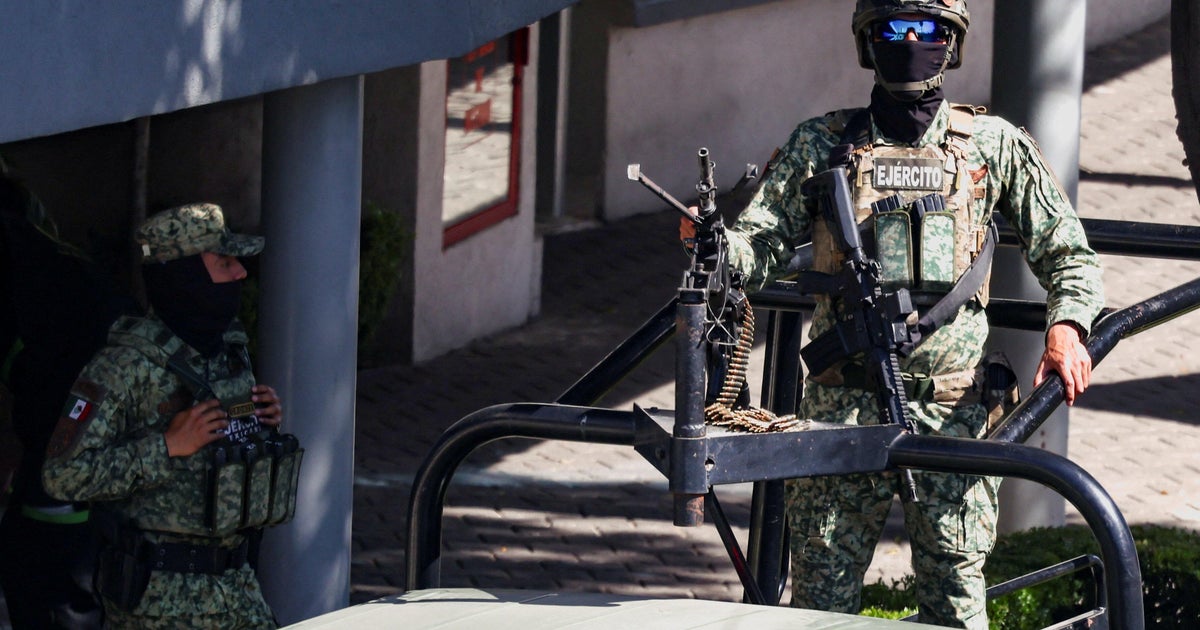
The killing of El Mencho unleashed a wave of retaliatory violence that swept across vast regions of Mexico, demonstrating the cartel’s reach and brutal capacity for vengeance. In the aftermath of their leader’s death, CJNG members launched coordinated attacks that claimed the lives of dozens of people, including a devastating toll on Mexican security forces—25 members of the National Guard were killed in these retaliatory strikes. This violent response underscored the cartel’s military-style organization and its willingness to directly confront state authority, a characteristic that had distinguished CJNG from other criminal groups and contributed to its rapid rise to power. The ferocity of the cartel’s reaction also revealed the deep loyalty El Mencho had commanded among his followers and the sophisticated communication networks that allowed for such coordinated attacks across multiple states. When authorities raided Oseguera Cervantes’ hideout following the operation, they discovered a crucifix, religious candles, and a handwritten psalm—stark reminders of the contradictions inherent in his life, where extreme violence coexisted with expressions of faith. Mexican authorities revealed that they had successfully tracked one of his romantic partners to the hideout, a breakthrough in intelligence gathering that ultimately led to the operation’s success after years of the cartel leader skillfully evading capture.
International Cooperation and Strategic Success
The successful operation against El Mencho represented the fruits of enhanced bilateral cooperation between the United States and Mexico under the leadership of Mexican President Claudia Sheinbaum. Sources familiar with the operation described it as the culmination of intensified counter-cartel collaboration between the two nations, reflecting a strategic shift in how both countries approach the shared challenge of transnational organized crime. A defense official speaking to CBS News confirmed that the counter-cartel task force established by the Pentagon under U.S. Northern Command in January had played a supporting role, as the Joint Interagency Task Force regularly coordinates with the Mexican military on such matters. However, the official was careful to emphasize that this was fundamentally a Mexican military operation, ensuring that credit for the success belonged to Mexican forces. Mexico’s Defense Ministry echoed this characterization in its official statement, acknowledging that “complementary information was provided by U.S. authorities within the framework of bilateral coordination and cooperation with the United States.” This delicate balance in the public messaging reflected the political sensitivities surrounding U.S. involvement in Mexican security operations, as Mexican sovereignty remains a paramount concern for officials and citizens alike, even as the practical necessities of combating powerful cartels require cross-border intelligence sharing and operational coordination.
The CJNG Empire and Its American Footprint
The Jalisco New Generation Cartel that El Mencho built from relative obscurity into a dominant force controlled far more than just Mexican territory—it had established extensive distribution, logistics, and financial networks throughout the United States. This sophisticated infrastructure allowed CJNG to move drugs efficiently across American communities and to launder the enormous proceeds generated by this illegal trade. The cartel’s U.S. operations represented a critical vulnerability for the organization, as American law enforcement agencies now closely monitor these networks for any signs of internal disruption or violent responses following their leader’s death. Homeland security officials have been particularly vigilant in watching for reactions from the cartel’s U.S.-based elements, understanding that leadership transitions in major criminal organizations can trigger power struggles that sometimes spill over into violence. While officials told CBS News there was no indication of an imminent threat to the United States directly resulting from the operation that killed Oseguera Cervantes, law enforcement agencies across the country remained on heightened alert, monitoring for any potential increases in violence, coercion, or aggressive debt-collection activity within domestic trafficking corridors. The designation of CJNG as a Foreign Terrorist Organization by the Trump administration in February 2025 had already elevated the cartel to a unique status in U.S. law enforcement priorities, placing it alongside groups typically associated with ideological extremism rather than profit-driven criminal enterprise.
The Human Side of a Criminal Mastermind
Despite his fearsome reputation and the industrial-scale violence his organization perpetrated, the personal effects discovered in El Mencho’s hideout offered a glimpse into the complex psychology of a man who lived in the shadows. The presence of religious items—a crucifix, candles, and a handwritten psalm—suggested someone who maintained spiritual practices even while ordering executions and overseeing a business built on human suffering. This contradiction is not uncommon among cartel leaders, many of whom come from deeply Catholic backgrounds and maintain outward displays of faith even as they commit acts fundamentally opposed to religious teachings. The fact that authorities located him through one of his romantic partners humanizes a figure often portrayed as almost mythical in his ability to evade capture, reminding us that even the most wanted criminals maintain personal relationships that can become vulnerabilities. The family members who requested and received his body, whose identities Mexican authorities protected, represented the private dimension of a very public criminal—people who knew him not as “El Mencho” but as a son, brother, father, or partner. The genetic testing required to confirm his identity before releasing the remains to his family demonstrated the thoroughness of Mexican authorities in ensuring proper procedures were followed, even for someone who had caused immeasurable harm to Mexican society.
Uncertain Future and Lasting Impact
The death of El Mencho creates a leadership vacuum in one of the world’s most powerful criminal organizations, and the coming months will reveal whether CJNG can maintain its cohesion or will fracture into competing factions. History suggests that the elimination of cartel leaders rarely ends the organizations they built; instead, it often triggers violent succession battles as lieutenants compete for control, sometimes resulting in even greater bloodshed than occurred under the previous leadership. Mexican and American authorities will be watching carefully to identify who emerges as the new leadership and whether the organization maintains its territorial control and operational capabilities. The wave of retaliatory violence that followed El Mencho’s death demonstrated that CJNG retained significant capacity for coordinated action even without its founder, suggesting that the organization’s command structure includes capable individuals who can direct operations. For the families of the 25 National Guard members killed in the aftermath, and for the dozens of other victims of the cartel’s vengeance, El Mencho’s death offers little consolation—their loved ones paid the ultimate price in Mexico’s ongoing struggle against organized crime. As authorities on both sides of the border continue monitoring the situation, one certainty remains: while the death of El Mencho represents a significant achievement in counter-cartel operations, the underlying conditions that allow such organizations to flourish—poverty, corruption, insatiable drug demand, and weak institutions—persist, ensuring that the fight against cartels will continue long after this particular criminal leader has been laid to rest by his family in an undisclosed location.