


Border Czar Announces End to Minnesota Immigration Operation
A Major Federal Operation Comes to a Close
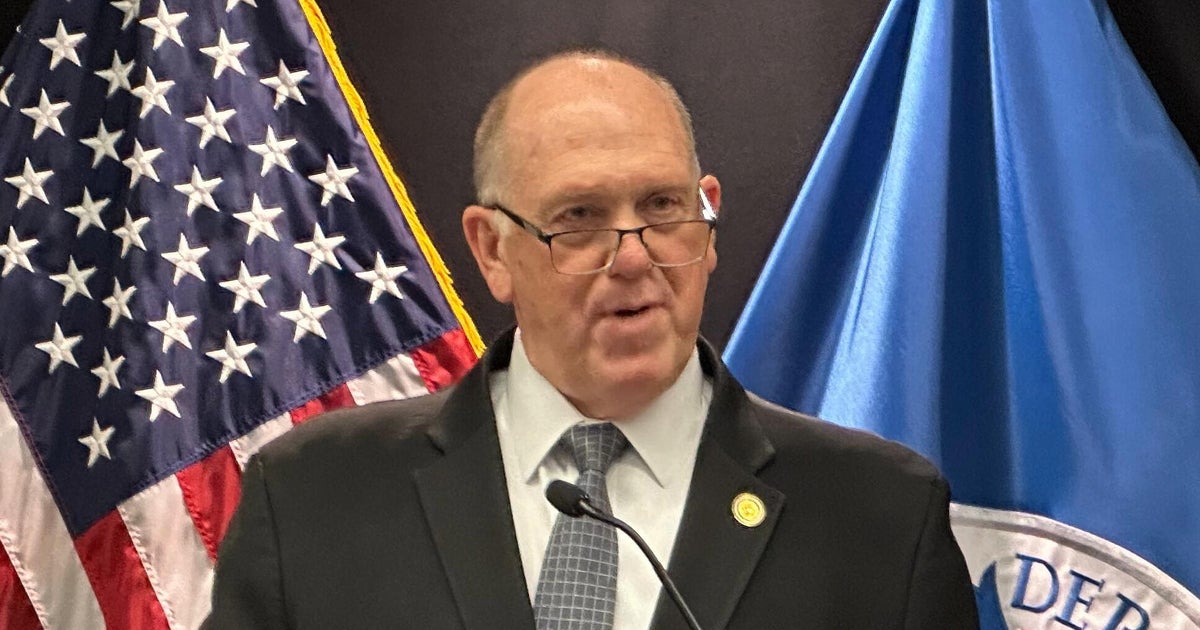
The controversial immigration enforcement surge in Minnesota is finally winding down. Border czar Tom Homan made the official announcement on Thursday during a press conference at the Bishop Henry Whipple Federal Building at Fort Snelling in Minneapolis. The operation, which has been a source of significant tension and disruption in the state, will see federal immigration officers gradually withdrawn over the coming week. Homan explained that this decision came after careful consultation with President Trump, who agreed that the time had come to conclude this intensive operation. The announcement represents a significant turning point for Minnesota communities that have been living under what some have described as occupation-like conditions for weeks.
The decision to scale back wasn’t made lightly or arbitrarily. Homan pointed to two primary reasons that convinced him the operation had accomplished its objectives. First, federal authorities reported a substantial number of arrests of individuals they classified as “public safety threats” – people they believed posed risks to communities and shouldn’t have been in the country. Second, and perhaps more telling, was the dramatic decrease in incidents requiring quick response force teams to deal with what Homan called “agitators” – community members and activists who had been protesting and sometimes interfering with immigration enforcement activities. This reduction in confrontational situations suggested that tensions might be easing, making the heavy federal presence less necessary from a tactical standpoint.
Different Perspectives on What the Operation Meant
Homan characterized the operation’s conclusion as “a win for everybody, not just for the safety of law enforcement officers” but also for the community at large. He emphasized that a significant reduction in federal personnel was already underway, adding the sobering comment, “I don’t want to see any more bloodshed” – an acknowledgment that the operation had created dangerous situations. He framed the upcoming withdrawal as part of the broader mission to deliver on President Trump’s promises regarding border security and mass deportation, explaining that officers would either return to their regular duty stations or be reassigned to similar operations elsewhere in the country. From the federal government’s perspective, this was a successful mission that could now transition to other locations.
Minnesota’s state and local leaders, however, had a dramatically different view of what Operation Metro Surge meant for their communities. Governor Tim Walz, who was scheduled to address budget proposals for businesses affected by the operation, struck a cautious but forward-looking tone. He acknowledged that recovery wouldn’t happen overnight, saying “The long road to recovery starts now. The impact on our economy, our schools, and people’s lives won’t be reversed overnight. That work starts today.” His statement recognized the deep scars left by the operation while signaling a commitment to rebuilding. Minneapolis Mayor Jacob Frey was even more pointed in his response, using language that reflected the depth of feeling the operation had generated in the community. “They thought they could break us, but a love for our neighbors and a resolve to endure can outlast an occupation,” he declared, explicitly comparing the federal operation to an occupation. He called Minneapolis residents who stood with their immigrant neighbors “patriots” and characterized their stance as “deeply American,” reframing the resistance narrative in patriotic terms.
Economic and Social Costs Begin to Emerge
Mayor Frey didn’t mince words about the damage done, calling the operation “catastrophic for our neighbors and businesses.” His statement highlighted what many in Minnesota had been experiencing – not just the fear and trauma in immigrant communities, but real economic consequences as businesses suffered from reduced patronage, workers stayed home out of fear, and the normal rhythms of community life were disrupted. He pledged the same commitment to recovery that the community had shown in endurance, expressing hope that “the whole country will stand with us as we move forward together.” This appeal to national solidarity suggested an awareness that Minnesota’s experience might resonate with other communities facing similar operations or living in fear of them.
The timing of Homan’s announcement coincided with testimony from several top Minnesota officials before a U.S. Senate hearing on immigration enforcement. Attorney General Keith Ellison used his opening statement to directly challenge the justification for Operation Metro Surge, arguing that it had caused “real harm” to Minnesota and characterizing it as politically motivated. “This war on Minnesota is retribution to be sure — our policies, our values and how we vote,” Ellison stated, suggesting that the operation was less about legitimate immigration enforcement and more about punishing a state that disagreed with the administration’s policies. “And it comes at a great cost,” he added, highlighting the human and economic toll. Meanwhile, U.S. House Majority Whip Tom Emmer offered a contrasting perspective, blaming what he called “radical sanctuary state and city policies in Minnesota” for the clashes that occurred during the operation. He argued that these policies had “turned Minnesota into a safe haven for criminal illegal aliens,” presenting the federal response as necessary and justified.
The Scale of the Operation and What Comes Next
The numbers tell the story of just how massive this operation was. When Homan first arrived in Minnesota in late January, he was replacing Border Patrol commander Gregory Bovino, who had been leading an earlier phase of enforcement activities. Before the surge, approximately 150 federal immigration enforcement officers were operating in Minnesota – a number that ballooned to around 2,700 at the operation’s peak. By early February, Homan had announced a partial drawdown of 700 personnel, leaving about 2,000 agents in the state. Now, with this final announcement, those remaining federal officers will be leaving as well, returning Minnesota to something closer to normal staffing levels for immigration enforcement. White House officials claimed that the operation resulted in at least 4,000 arrests, though the criteria for these arrests and what they actually represented in terms of public safety has been disputed.
Looking ahead, the real work of recovery and reckoning begins. For immigrant communities in Minnesota, the fear and trauma won’t simply evaporate when the last federal vehicle leaves town. Families have been separated, businesses have closed or suffered severe losses, children have missed school or attended while terrified their parents might not be there when they got home, and the social fabric of neighborhoods has been torn. Governor Walz’s mention of budget proposals for affected businesses suggests that state government recognizes it will need to step in with financial support to help communities rebuild. The psychological impact will likely last even longer than the economic one. Trust between immigrant communities and law enforcement – already fragile in many cases – has been severely damaged and will take years of consistent, good-faith effort to restore. The broader political ramifications are also significant. Minnesota’s experience will likely become a reference point in national debates about immigration enforcement, sanctuary policies, and the appropriate use of federal power. For some, it will stand as an example of necessary enforcement against jurisdictions that refuse to cooperate with federal immigration authorities. For others, it will be remembered as government overreach and political retribution against communities that hold different values. As Minnesota begins its recovery, the rest of the country will be watching to see what lessons can be learned from this intense and controversial chapter in the ongoing American debate over immigration.