
Brazilian Ex-Intelligence Chief Detained in U.S. Sparks International Custody Battle
A High-Profile Fugitive’s Arrest
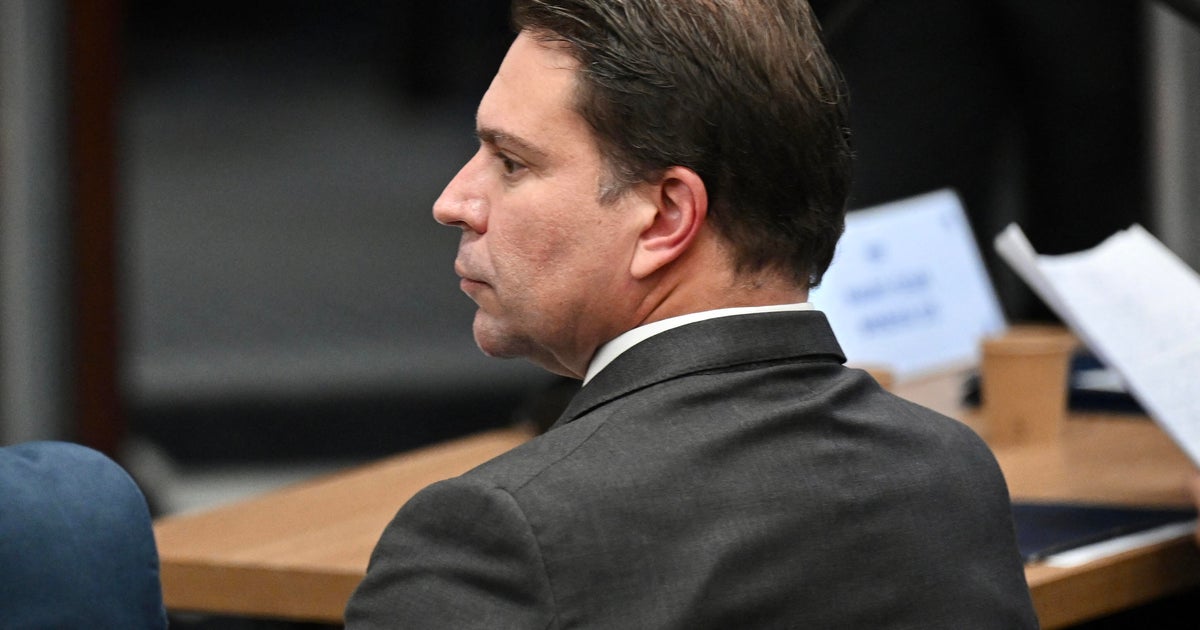
The arrest of Alexandre Ramagem, Brazil’s former intelligence agency chief, by U.S. Immigration and Customs Enforcement has ignited a complex international custody dispute that highlights the ongoing political tensions surrounding Brazil’s 2023 attempted coup. The 53-year-old former police officer, who once commanded Brazil’s main intelligence agency (ABIN) under former President Jair Bolsonaro, now finds himself in ICE custody somewhere in the United States, though the exact location hasn’t been disclosed publicly. Ramagem’s detention represents a significant development in Brazil’s efforts to hold accountable those involved in the January 2023 coup attempt, when Bolsonaro supporters stormed government buildings in Brasilia in scenes reminiscent of the January 6, 2021, attack on the U.S. Capitol. What makes this case particularly intriguing is the competing narratives: Brazilian authorities view Ramagem as a convicted criminal fleeing justice, while his supporters portray him as a political refugee escaping persecution. The former intelligence chief was sentenced to 16 years in prison in September for his participation in the coup attempt, but according to Brazil’s federal police, he managed to flee the country before he was scheduled to begin serving his sentence. His appearance in ICE’s online detainee database on Monday confirmed what many had suspected—that Ramagem had made his way to the United States, allegedly entering the country on a diplomatic passport after crossing into Guyana to bypass normal immigration controls.
Political Allies Rally for Asylum
Brazilian Senator Jorge Seif has emerged as Ramagem’s most vocal advocate, taking to social media to plead for his ally’s release and push for political asylum in the United States. Seif claims that Ramagem should not remain in custody because he is being politically persecuted in his home country. The senator says he has formally informed the U.S. embassy in Brasilia of this position, submitting documentation that he believes justifies granting asylum to Ramagem and his family. “The political persecution against President Bolsonaro, his sons and his allies is now hitting an elected lawmaker in foreign soil,” Seif declared in his statement. This framing of the situation casts Ramagem not as a fugitive from justice, but as a victim of a politically motivated prosecution targeting anyone associated with the former president. Paulo Renato Figueiredo, a Bolsonaro ally and influencer currently living in the United States, has also weighed in on the situation. Figueiredo—whose grandfather was the last general to preside over Brazil during its 1964-1985 military dictatorship—downplayed the arrest, claiming Ramagem was detained merely for a “minor traffic infraction.” He insisted that Ramagem’s immigration status is legal and that he has a pending asylum application, expressing confidence that “we expect him to be released as quickly as possible” and seeing “no risk of deportation.” However, these optimistic claims stand in stark contrast to the serious criminal charges Ramagem faces in Brazil and the formal extradition request that Brazilian authorities filed in December.
Brazil’s Position and Legal Framework
From Brazil’s perspective, this is a clear-cut case of a convicted criminal attempting to evade justice by fleeing to another country. The federal police issued a statement on Monday describing the detained individual as “a fugitive from Brazilian justice following his conviction for the crimes of armed criminal association, attempted coup d’etat, and the attempted violent abolition of the rule of law.” Though the statement didn’t name Ramagem specifically, it’s clear whom they were referencing. Brazil’s Supreme Court had stripped Ramagem of his congressional seat in December as a direct consequence of his conviction the previous month, ending his brief career as a federal lawmaker. The Brazilian authorities have characterized his arrest as the result of “international police cooperation between the Federal Police and U.S. law enforcement authorities,” emphasizing the collaborative nature of the apprehension. This cooperation reflects the seriousness with which Brazil is pursuing those involved in the coup attempt and demonstrates the effectiveness of international law enforcement partnerships. According to local media reports, Ramagem’s escape from Brazil was carefully planned—he allegedly left the country by crossing the border into Guyana, deliberately avoiding normal immigration controls that might have flagged him as wanted. His use of a diplomatic passport to enter the United States raises additional questions about how he maintained access to such documents despite his legal troubles and whether others aided in his flight from justice.
The Broader Context of Brazil’s Political Crisis
Ramagem’s case cannot be separated from the larger political drama unfolding in Brazil since the failed coup attempt. Former President Jair Bolsonaro himself is currently serving a 27-year jail term for his role in the conspiracy, which prosecutors say failed only because Brazil’s military leadership refused to provide the support needed to overthrow the democratically elected government. Bolsonaro has been serving his sentence under house arrest due to health concerns, particularly after being rushed from prison to hospital with bronchopneumonia last month. The political landscape remains deeply divided, with the Bolsonaro family maintaining a significant political presence despite the criminal convictions. Bolsonaro’s eldest son, Senator Flavio Bolsonaro, has been chosen to challenge current President Lula in the October elections, and recent polling by the Datafolha Institute shows a remarkably tight race—with Flavio Bolsonaro at 46 percent and Lula at 45 percent in a potential runoff scenario. This political context is crucial to understanding the competing narratives around Ramagem’s detention. His supporters view the prosecutions as politically motivated attacks designed to eliminate opposition to the current government, while critics see them as necessary accountability for those who attempted to subvert democracy. The fact that these events are playing out on American soil adds another layer of complexity, as U.S. authorities must navigate between honoring extradition treaties and considering asylum claims that allege political persecution.
Additional Criminal Investigations
Ramagem’s legal troubles extend beyond his conviction for participating in the coup attempt. He is also under investigation in a separate case for allegedly leading a criminal organization that conducted illegal surveillance operations on behalf of Bolsonaro and his inner circle using Israeli surveillance software. This investigation has implicated approximately 30 individuals, including Carlos Bolsonaro, one of the former president’s sons, and federal police have recommended that criminal charges be filed against Ramagem and the others involved in this alleged spying operation. These additional allegations paint a picture of a sophisticated network operating at the highest levels of Brazilian government during Bolsonaro’s presidency, using state intelligence resources for political purposes and potentially illegal activities. If proven, these charges would represent a serious abuse of power that went far beyond the January 2023 coup attempt. The surveillance investigation suggests a pattern of behavior in which democratic norms and legal boundaries were routinely violated by those in Bolsonaro’s orbit. For U.S. immigration authorities evaluating Ramagem’s asylum claim, these additional allegations complicate the picture significantly. Asylum is typically granted to those fleeing political persecution, not to government officials accused of wielding state power against their opponents and attempting to overthrow democratic institutions.
What Happens Next
The immediate future for Alexandre Ramagem remains uncertain as multiple legal processes unfold simultaneously. The United States must now decide how to handle Brazil’s formal extradition request while also considering the asylum application that Ramagem’s supporters claim he has filed. This decision will involve careful evaluation of whether Ramagem faces genuine political persecution or legitimate criminal prosecution for serious crimes. U.S. immigration courts will need to weigh Brazil’s democratic credentials, the evidence underlying Ramagem’s conviction, and the fairness of the legal proceedings he faced. The outcome of this case could have significant implications for other Bolsonaro allies who may be considering similar flight from Brazilian justice, either establishing that the United States will honor its extradition commitments or potentially creating a precedent for viewing post-coup prosecutions as political persecution. International observers will be watching closely to see how the United States navigates this complex situation, particularly given America’s own recent experience with attempts to overturn election results. The case also raises broader questions about accountability for anti-democratic actions in the Americas and the role that asylum law should play when government officials face prosecution for alleged crimes committed while in power. As this legal drama continues to unfold in the coming weeks and months, it serves as a reminder that the consequences of the January 2023 attempted coup in Brazil continue to reverberate through international legal systems, challenging diplomatic relationships and testing the boundaries between legitimate prosecution and political persecution.