
Sudanese Man Charged Under New UK Immigration Law After Fatal Channel Crossing
Historic Case Marks Shift in British Border Enforcement Strategy
In a significant development that signals a tougher approach to irregular migration, British authorities have brought charges against a Sudanese national under groundbreaking immigration legislation following a tragic incident in the English Channel that claimed four lives. Alnour Mohamed Ali, 27, faces serious criminal charges after allegedly piloting a vessel involved in the deadly crossing attempt, marking one of the first prosecutions under Britain’s expanded legal framework designed to target those facilitating dangerous sea journeys. The case, announced Saturday by the National Crime Agency, represents a new chapter in the ongoing crisis surrounding Channel crossings and demonstrates the UK government’s determination to extend its legal reach beyond traditional territorial boundaries to address what has become one of the most contentious political issues facing the nation.
The charges against Ali stem from a harrowing incident that unfolded Thursday off the coast of Calais, where tragedy struck as migrants attempted to embark on yet another perilous journey across one of the world’s busiest shipping lanes. Four people—two men and two women—lost their lives in strong currents as they tried to board the vessel that Ali allegedly commanded. The human cost of this incident underscores the desperate circumstances that drive people to risk everything for the chance of reaching British shores, while simultaneously highlighting the dangers inherent in these crossings. French rescue teams managed to pull 38 people from the treacherous waters, saving them from a similar fate, while Ali and 73 other migrants successfully completed the crossing to England, where British authorities were waiting to take him into custody upon arrival.
The “Taxi-Boat” Phenomenon and Evolving Smuggling Tactics
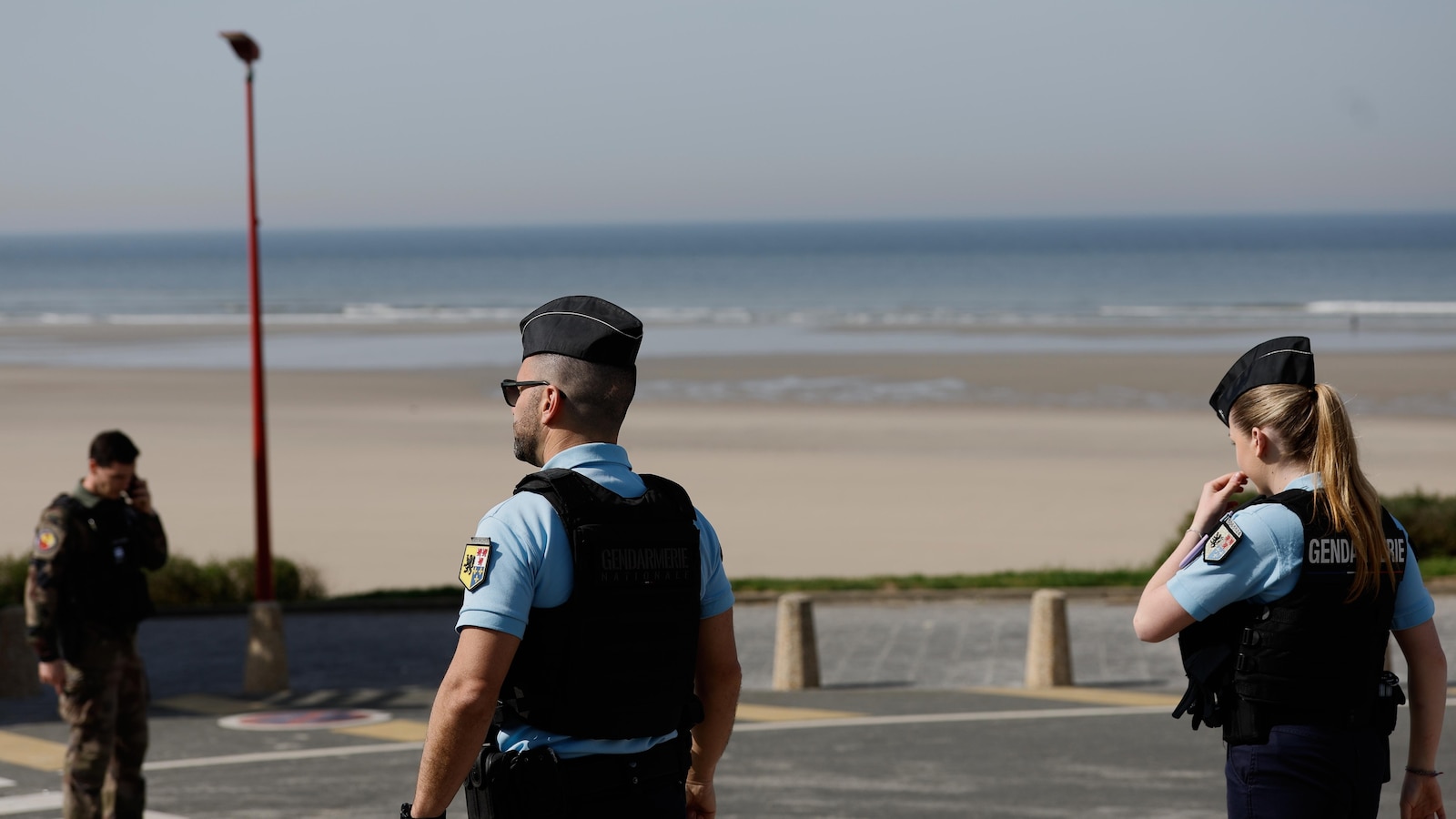
The incident took place at Equihen Beach in Calais, where migrants were attempting to employ what authorities have termed the “taxi-boat” method—a tactical evolution in the smuggling playbook that has emerged in response to increased French police vigilance along the coastline. These taxi-boats are typically small motorized inflatables that collect passengers from various points along the extensive northern French shoreline, allowing smugglers to bypass some of the traditional beach-based enforcement measures. The strategy requires migrants to wade out into the water to meet these vessels, a dangerous proposition even in calm conditions, but potentially deadly when strong currents and cold water temperatures are factored into the equation. This approach has gained popularity among criminal smuggling networks as French authorities have intensified their efforts to prevent crossings by puncturing the larger rafts that groups traditionally had to inflate and physically carry to the water’s edge.
The shift to taxi-boat operations reflects the cat-and-mouse game between law enforcement and smuggling organizations, with each side adapting their strategies in response to the other’s actions. For French police patrolling the beaches, this new method presents additional challenges because it spreads potential crossing points across a much wider area, making it nearly impossible to monitor every stretch of coastline simultaneously. The smugglers’ adaptation demonstrates the lucrative nature of this criminal enterprise and the determination of those involved to continue operations despite the human toll. For the migrants themselves, these evolving tactics often mean accepting even greater risks, as wading into cold channel waters at night to meet a small boat operating offshore adds yet another layer of danger to an already perilous journey.
Legal Complexities and Maritime Law Constraints
One of the most frustrating aspects of the Channel crossing crisis for authorities on both sides of the water has been the legal limitations on intervention once boats are actually in the water. Under established maritime law, French police operate under strict protocols that prevent them from attempting to stop vessels once they’re actively engaged in a crossing because such intervention could endanger lives. This legal framework, designed to prioritize human safety above enforcement concerns, creates a practical window that smugglers have learned to exploit. Once migrants are aboard and the vessel is underway, the primary focus shifts from prevention to rescue operations should anything go wrong. This legal reality has contributed to the sense of helplessness that French coastal communities have expressed as they witness an endless procession of boats departing their shores despite the known dangers.
The new British legislation under which Ali has been charged represents an attempt to work around some of these limitations by extending UK criminal jurisdiction to acts that occur in international or foreign waters if those acts are connected to illegal entry into Britain. This expanded legal reach allows British prosecutors to bring charges against individuals involved in facilitating crossings even when the most dangerous portions of those journeys occur outside traditional UK territorial waters. The legislation marks a significant shift in how Britain approaches border enforcement, moving from a purely defensive posture focused on preventing arrivals to a more offensive legal strategy aimed at prosecuting those involved in organizing and executing these crossings. The charge filed against Ali—endangering another during a journey by sea to the UK—reflects this new approach and could set important precedents for how future cases are handled.
Escalating Crisis and Recent Surge in Crossings
The tragedy that led to Ali’s arrest occurred against a backdrop of surging crossing attempts and mounting casualties in the English Channel. Recent days have witnessed a dramatic increase in both attempted crossings and rescue operations, with French maritime authorities conducting major interventions that have saved numerous lives. Just one day before the fatal incident involving Ali’s alleged voyage, authorities rescued 102 people across two separate operations on Wednesday, demonstrating the scale of the ongoing crisis. The previous week saw additional deaths under similar circumstances north of Calais, part of a grim pattern that has played out repeatedly as calm weather windows encourage multiple crossing attempts. The concentration of incidents in such a short time period has renewed urgent discussions about how to address the root causes of irregular migration while simultaneously preventing loss of life in the Channel.
This surge in crossings reflects multiple converging factors, including relatively favorable weather conditions, the ongoing desperation of people seeking to reach the UK, and the persistent operations of well-organized smuggling networks that continue to profit from human desperation. Each successful crossing, from the smugglers’ perspective, represents thousands of pounds in revenue, creating powerful economic incentives that drive continued operations despite the risks and the increasing legal consequences. For the migrants themselves, the calculation involves weighing the known dangers of the crossing against the perceived impossibility of achieving their goals through legal channels and the intolerable conditions they’re fleeing. This complex web of motivations, economic incentives, and human desperation ensures that addressing the Channel crossing crisis requires far more than simply enhanced enforcement measures.
Looking Ahead: Legal Proceedings and Broader Implications
Alnour Mohamed Ali, also known as Elnoor Mohamed Ali according to court documents, was scheduled to appear before Folkestone Magistrates Court on Saturday to face the charges against him. This court appearance represents just the beginning of what is likely to be a closely watched legal process that could establish important precedents for how similar cases are prosecuted under the new legislation. The outcome of Ali’s case may well influence future enforcement strategies and could affect how smuggling networks assess the risks associated with their operations. Legal experts will be paying particular attention to how prosecutors present evidence connecting Ali to the deaths that occurred, how his defense team challenges the application of this new law, and how the courts interpret the scope of Britain’s expanded jurisdiction in maritime cases.
Beyond the immediate legal questions surrounding Ali’s prosecution, this case illuminates the broader humanitarian and political challenges that continue to define the Channel crossing crisis. The four lives lost in this incident represent just a fraction of the total number of people who have perished attempting this dangerous journey, yet each death carries its own tragedy and raises uncomfortable questions about the international community’s response to irregular migration. As Britain moves forward with this more aggressive legal approach to prosecuting those involved in facilitating crossings, fundamental questions remain about whether enhanced criminalization will actually deter future attempts or simply drive smuggling operations to adopt even more dangerous methods. The coming months will likely see continued debate about how to balance legitimate border security concerns with humanitarian obligations, how to disrupt criminal smuggling networks without making crossings even more dangerous, and how to address the underlying factors that drive people to undertake such perilous journeys in the first place. The case of Alnour Mohamed Ali, tragic in its circumstances and potentially groundbreaking in its legal implications, stands as a stark reminder that the Channel crossing crisis remains far from resolved.