


Federal Charges Filed After Explosive Device Found at Major Florida Air Force Base
Siblings Accused in Bomb Plot Against MacDill Air Force Base
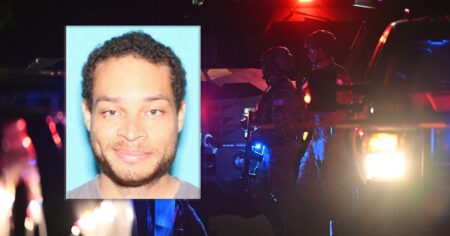
A disturbing incident that threatened one of America’s most strategically important military installations has led to federal charges against two siblings, highlighting serious security concerns at U.S. military facilities. Federal prosecutors announced Thursday that Alen Zheng and his sister Ann Mary Zheng face multiple charges after an improvised explosive device was discovered outside MacDill Air Force Base in Tampa, Florida, on March 16. The case has taken on international dimensions, as Alen Zheng has fled to China and remains there, while his sister was taken into custody to face charges of being an accessory after the fact and tampering with evidence. FBI Director Kash Patel emphasized the bureau’s commitment to pursuing those responsible, stating unequivocally that investigators will work with their partners to bring all parties to justice, regardless of where they might be hiding. The discovery of the device at such a critical military installation has raised alarms throughout the defense community, particularly given MacDill’s role in coordinating some of America’s most sensitive military operations around the globe.
The Discovery and Response to the Explosive Device
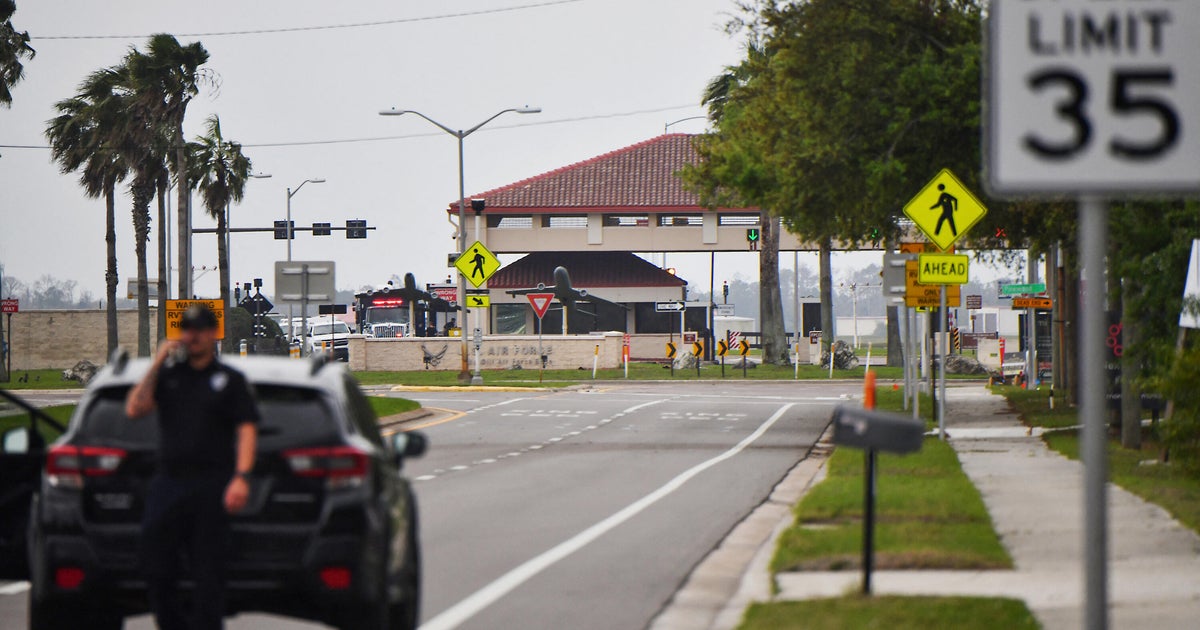
The frightening sequence of events began to unfold on March 16 when law enforcement officials in Tampa responded to reports of a suspicious package at MacDill Air Force Base’s visitor center, located near one of the entrance gates to the sprawling military facility. Base security personnel first identified the suspicious item during routine operations, triggering an immediate response from federal investigators. The FBI’s Tampa field office quickly deployed specialized agents to assess the threat, and preliminary field screening of the package revealed the presence of “possible energetic materials,” a technical term that suggested the device contained explosive compounds. While complete laboratory analysis had not been finished at the time of the initial announcement, the preliminary findings were serious enough to warrant a full-scale investigation. U.S. Attorney Gregory Kehoe later revealed to reporters that while the device ultimately did not detonate, it “could’ve been potentially very deadly” if it had functioned as apparently intended. The implications of such a device being successfully placed at a military installation of MacDill’s importance cannot be overstated, and the fact that it reached its target location at all represents a significant security concern that will undoubtedly lead to reviews of access procedures and security protocols at military facilities nationwide.
The Significance of MacDill Air Force Base as a Target
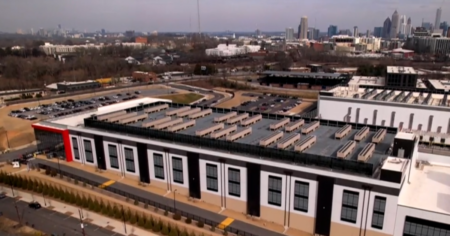
Understanding the gravity of this incident requires appreciating the absolutely critical role that MacDill Air Force Base plays in America’s military operations and national defense strategy. The Tampa facility serves as home to U.S. Central Command, which oversees military operations throughout the Middle East and surrounding regions, U.S. Special Operations Command, which coordinates America’s elite special forces units, and elements of the Air Force’s Air Mobility Command, which manages strategic airlift and refueling capabilities. U.S. Attorney Kehoe emphasized that the base houses “extremely, extremely important assets for the Department of War that are obviously involved in ongoing operations in the Middle East and elsewhere,” specifically referencing the war with Iran. The presence of these commands at MacDill makes it one of the most strategically valuable military installations in the entire United States military infrastructure. Kehoe stated plainly that MacDill is absolutely crucial “to the safety of the United States” and the American people, making any attack or attempted attack against the facility a matter of the highest national security concern. The fact that someone was able to place an explosive device at such a sensitive location, even at the visitor center rather than within the secure perimeter of the base itself, demonstrates vulnerabilities that adversaries might seek to exploit and underscores the constant vigilance required to protect critical military infrastructure.
Timeline of the Plot and the Siblings’ Flight to China
The detailed timeline that prosecutors have pieced together reveals a calculated effort to attack the base and then flee the country before being apprehended. According to U.S. Attorney Kehoe, the explosive device was actually planted outside MacDill’s visitor center on March 10, a full six days before it was ultimately discovered by security personnel. Just minutes after the device was left in place, someone placed a 911 call to emergency services reporting that there was a bomb somewhere on the base, though crucially, the caller did not provide a specific location for where the device could be found. MacDill personnel immediately initiated search procedures in response to the bomb threat, but tragically, they were unable to locate the device during their initial sweep of the facility. The device remained hidden in what Kehoe described as “a secluded area” at the visitor center until it was finally discovered six days later on March 16. Meanwhile, the day after planting the bomb, on March 11, Alen Zheng and Ann Mary Zheng took decisive steps to flee the country, purchasing plane tickets to China and selling the vehicle that had been used to transport the explosive device to the base’s visitor center. The siblings departed Tampa for China on March 12, demonstrating what prosecutors view as consciousness of guilt and an attempt to escape justice. Interestingly, Ann Mary Zheng returned to the United States on March 17, the day after the device was discovered, while her brother Alen remained in China, where he continues to evade American law enforcement.
The Investigation and Evidence Against the Accused
Federal investigators have assembled what appears to be a compelling case against the Zheng siblings through meticulous investigative work and the use of modern surveillance technology. During their probe, law enforcement officials successfully tied Alen Zheng to the phone that was used to place the anonymous 911 call to emergency personnel about the bomb at MacDill on March 10. Investigators obtained security footage from a Best Buy store showing Alen Zheng purchasing the phone that was later used to make the threatening call, providing a direct evidentiary link between him and the crime. The investigation went further when law enforcement obtained and executed a search warrant for Alen Zheng’s residence, where they discovered components that were consistent with the device that had been left at MacDill, according to prosecutors. Perhaps most damning, investigators interviewed Alen Zheng’s mother and his sister Ann Mary, both of whom acknowledged to federal agents that they knew he had planted the bomb at the military installation. This admission from family members provides powerful corroborating evidence to support the physical and digital evidence that investigators have collected. Ann Mary Zheng now faces serious federal charges including one count of evidence tampering and one count of being an accessory after the fact, based on allegations that she helped her brother flee the country and assisted in destroying evidence of the crime. Alen Zheng faces even more serious charges, including three federal counts: attempted damage of government property by explosion, unlawfully making a destructive device, and possessing an unregistered destructive device.
Unanswered Questions About Motive and International Implications
One of the most troubling aspects of this case remains the unknown motive behind the attempted attack, leaving investigators and the public to speculate about what could have driven the siblings to allegedly target such a critical military installation. U.S. Attorney Kehoe acknowledged this uncertainty but offered some insight, stating that “they obviously felt quite strongly about something or anything that the United States government was doing.” This vague statement leaves open numerous possibilities, from ideological opposition to U.S. military operations to personal grievances or even direction from foreign entities. The fact that Alen Zheng fled to China and remains there has inevitably raised questions about whether the Chinese government might have had any involvement in or knowledge of the plot, though no evidence has been presented to suggest any such connection. The case highlights the complex challenges of international law enforcement cooperation, particularly when suspects flee to countries that may not have extradition agreements or may be politically reluctant to turn over their nationals to U.S. authorities. FBI Director Patel’s statement that the bureau will “continue pursuing all those responsible and ensure they are brought to justice, no matter where they are” suggests that efforts to secure Alen Zheng’s return to face justice will continue through diplomatic and law enforcement channels. This incident serves as a sobering reminder of the persistent threats facing U.S. military installations, the determination of those who would seek to harm American service members and national security infrastructure, and the critical importance of vigilant security measures and international cooperation in combating terrorism and attacks on military targets.