
U.S. Military Stands Ready to Enforce Hormuz Blockade as Iran Ceasefire Holds
A Tense Standoff in Strategic Waters
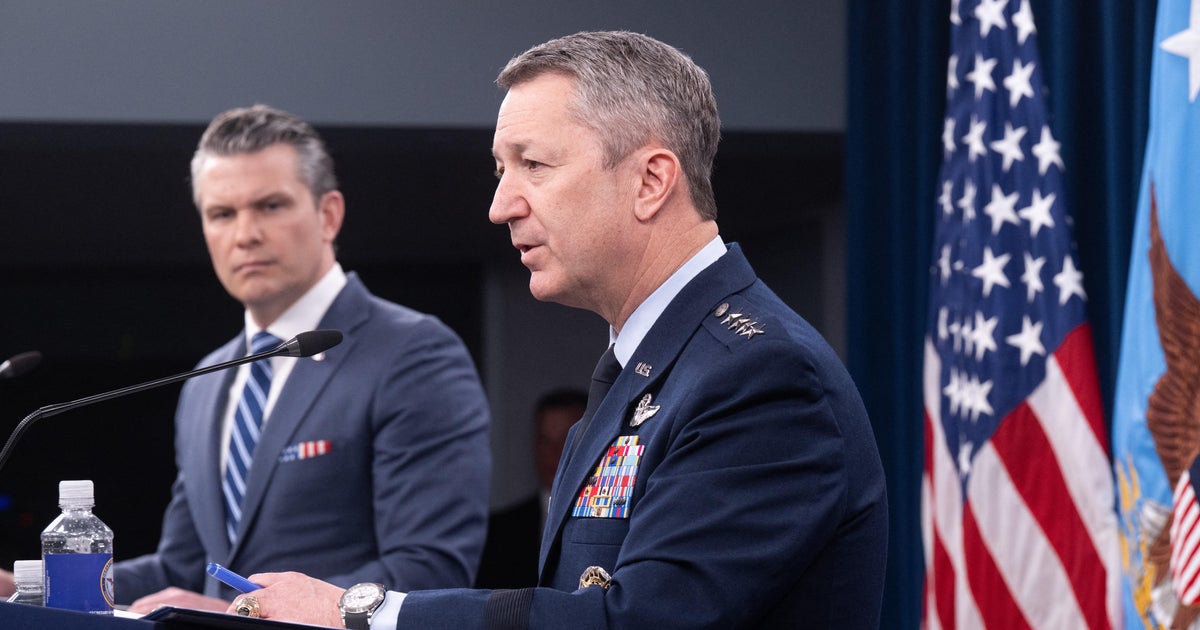
In a display of military readiness that underscores the fragile nature of the current ceasefire with Iran, top U.S. defense officials made it crystal clear on Thursday that America’s naval forces are prepared to use force against any vessel that doesn’t comply with the blockade of the Strait of Hormuz. Defense Secretary Pete Hegseth and General Dan Caine, Chairman of the Joint Chiefs of Staff, delivered stern warnings during a press conference that left little doubt about American intentions in one of the world’s most strategically important waterways. “If you do not comply with the blockade, we will use force,” General Caine stated bluntly, setting a firm tone for what the U.S. expects from commercial and military vessels alike. The officials were speaking just over a week into a ceasefire that has temporarily halted what had been escalating military confrontations between the United States and Iran. The blockade, which began on Monday, represents a significant show of American naval power in a region that typically sees one-fifth of the world’s oil supply pass through its narrow channels.
The Mechanics and Message Behind the Blockade
The naval blockade isn’t just a symbolic gesture—it’s an operational reality being enforced in the Gulf of Oman, right at the doorstep of the Strait of Hormuz. According to U.S. officials, the blockade applies universally to all ships, regardless of what flag they fly or what nation they call home, if those vessels are heading to or coming from Iranian ports. In the first 72 hours of enforcement, 14 ships made what General Caine called “the wise choice of turning around,” suggesting that the U.S. presence and warnings are having their intended effect without requiring boarding operations or direct confrontations. So far, U.S. Central Command, which oversees military operations in the Middle East, hasn’t needed to physically board any ships, indicating that vessel captains are taking the threat seriously and complying before reaching the point of no return. Secretary Hegseth emphasized that maintaining this “successful blockade” is a priority, but he also made it abundantly clear that American forces can pivot from blockade operations to full-scale combat operations with remarkable speed. “We can make that transition again very quickly and even more powerfully than ever,” Hegseth warned, leaving no ambiguity about America’s military capabilities in the region.
Nuclear Weapons and Negotiation Ultimatums
At the heart of this confrontation lies a fundamental American objective that Defense Secretary Hegseth articulated in no uncertain terms: preventing Iran from obtaining nuclear weapons. “At the direction of President Trump, the War Department will ensure that Iran never has a nuclear weapon, never,” Hegseth declared, framing the issue as a non-negotiable red line for the United States. The administration is presenting Iran with what amounts to a stark choice between two paths forward. The preferred path, as Hegseth described it, is “the nice way through a deal led by our great vice president and negotiating team,” suggesting that diplomatic channels remain open and that the Trump administration genuinely hopes for a negotiated settlement. However, the alternative was presented with equal clarity: “or we can do it the hard way.” This carrot-and-stick approach reflects the delicate dance happening behind the scenes, where American and Iranian negotiators have been meeting to try to hammer out an agreement that would end the conflict. The two sides met in Pakistan last weekend but failed to reach a deal, with fundamental disagreements over Iran’s nuclear program remaining unresolved. Despite this setback, President Trump has indicated that another round of talks could happen within days, suggesting that both sides see value in continuing the conversation even as military forces remain on high alert.
Iran’s Response and the Broader Regional Tensions
Iran hasn’t been passive in the face of American naval pressure. Iranian officials have publicly threatened to sink American ships and to close not just the Strait of Hormuz but also the Red Sea, another crucial maritime chokepoint for global commerce. These threats highlight just how high the stakes are in this confrontation, with both sides possessing the capability to disrupt global energy markets and international shipping on a massive scale. The data on ship movements tells its own story about the impact of the conflict: transits through the Strait of Hormuz have remained “well below pre-war levels” even after the ceasefire began, indicating that shipping companies and vessel operators remain extremely cautious about entering these waters. This reduced traffic has real-world economic implications, affecting oil prices and global supply chains. Meanwhile, the ceasefire itself remains tenuous, with both American and Iranian officials acknowledging that talks are ongoing but that no formal agreement on extending the pause in fighting has been reached. The U.S. military posture reflects this uncertainty, with General Caine emphasizing that joint forces “remains postured and ready to resume major combat operations at literally a moment’s notice.” Secretary Hegseth echoed this readiness, repeatedly urging Iran to “choose wisely” while noting that “in the meantime, the War Department is locked and loaded.”
The Israeli-Lebanese Dimension and Regional Complications
Adding another layer of complexity to an already complicated situation is the involvement of Israel and its ongoing conflict with Hezbollah in Lebanon. President Trump announced on social media that Israel and Lebanon would be holding talks, describing it as historic given that the two nations’ leaders haven’t spoken in 34 years. “Trying to get a little breathing room between Israel and Lebanon,” Trump wrote, framing the diplomatic outreach as an attempt to create space for de-escalation. Lebanese and Israeli officials did meet in Washington this week for their first direct diplomatic talks in decades, though the Iranian-backed militant group Hezbollah rejected these discussions outright. The complication here is that both the United States and Israel have insisted that Lebanon and Israeli operations against Hezbollah are not covered by the ceasefire agreement with Iran that began on April 8th. This position has created friction, with Israel continuing to strike Hezbollah targets and maintaining military operations across a wide swath of southern Lebanon. According to Lebanon’s health ministry, more than 2,100 people have been killed in the Israeli offensive, though these figures don’t distinguish between civilian and combatant casualties. Iran has argued that these Israeli strikes violate the terms of the ceasefire, a claim that both the U.S. and Israel reject. Israeli Prime Minister Benjamin Netanyahu has made clear that his country is prepared to resume fighting if necessary, maintaining military pressure on Hezbollah even as diplomatic channels remain open with Lebanese officials.
Alliance Strains and the Road Ahead
The conflict is also revealing tensions within America’s traditional alliance structures. President Trump has publicly criticized NATO for not supporting U.S. operations against Iran, even weighing the possibility of leaving the organization altogether. “NATO wasn’t there for us, and they won’t be there for us in the future!” Trump declared, expressing frustration that European allies haven’t joined American military efforts in the Middle East. This criticism points to deeper questions about the nature of transatlantic security cooperation and whether NATO, an organization originally designed to counter Soviet threats in Europe, should be expected to support American operations in the Middle East. As the ceasefire clock continues to tick, uncertainty remains about what happens if diplomatic efforts fail and the pause in fighting expires. Both President Trump and Pakistani officials have suggested that the conflict might be “very close to over,” with Pakistan particularly eager to facilitate further negotiations between the U.S. and Iran. However, the military preparations on all sides tell a different story—one of nations and forces ready to resume combat operations at a moment’s notice if diplomacy falls short. The coming days will be critical in determining whether the region moves toward a lasting peace agreement or returns to the military confrontation that preceded this fragile ceasefire. What’s certain is that the Strait of Hormuz will remain a focal point of international attention, a narrow waterway where global economic interests, regional security concerns, and great power politics converge in ways that could reshape the Middle East for years to come.