


How Rising Oil Prices Are Affecting American Families and Businesses
The Ripple Effect of Global Conflict on Fuel Costs
The ongoing conflict with Iran has triggered a domino effect that’s hitting Americans squarely in their wallets. As tensions escalate in one of the world’s most strategic oil chokepoints, everyday people across the United States are feeling the financial squeeze every time they fill up their gas tanks, order food delivery, or even receive their mail. The Strait of Hormuz, a narrow waterway connecting the Persian Gulf to the Gulf of Oman, has become the center of global economic anxiety. This crucial passage handles roughly one-fifth of the world’s oil supply, and disruptions to shipping through this channel are reverberating throughout the American economy in ways both obvious and subtle.
The impact isn’t limited to a single group or industry. Motorists planning their daily commutes are watching their fuel budgets balloon. Food delivery drivers, who depend on affordable gas to make their gig work profitable, are finding their margins squeezed tighter than ever. Farmers, already operating on thin profit margins, are facing higher costs for the diesel that powers their tractors and equipment. Even the United States Postal Service, a cornerstone of American infrastructure, is grappling with ballooned operating costs that ultimately affect the efficiency of mail delivery across the nation. Energy analysts warn that relief won’t come quickly—prices are expected to remain elevated until normal shipping operations resume through the Strait of Hormuz, and there’s no clear timeline for when that might happen.
Why Some Americans Are Paying More Than Others
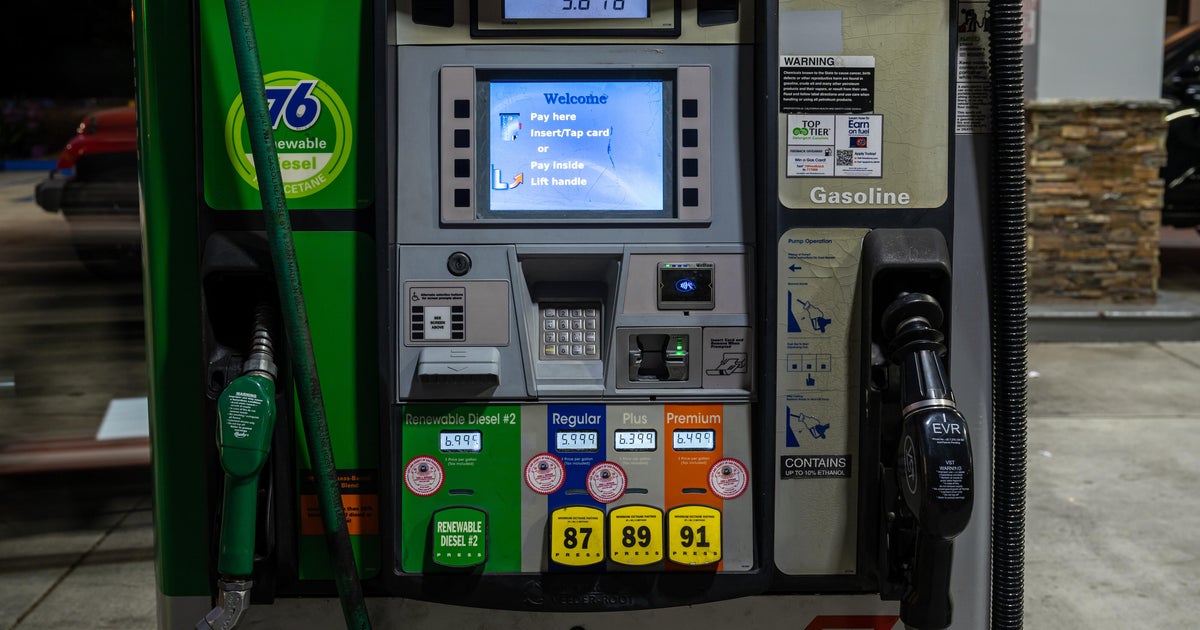
If you live in California, you’re experiencing the price surge more acutely than residents of most other states. The Golden State has always been known for its higher gas prices, a reality driven by two main factors: its heavy reliance on imported oil from overseas markets and its higher state taxes on gasoline compared to other parts of the country. Californians have long accepted that they’ll pay a premium at the pump, but the current crisis has pushed prices into territory that’s causing genuine hardship for many families. What was once an accepted inconvenience has become a significant monthly expense that’s forcing difficult budgeting decisions.
However, this isn’t just a California problem—it’s a national one. Gas prices have climbed steadily across all fifty states, from Maine to Texas to Washington. Perhaps even more concerning for the broader economy is what’s happening with diesel fuel. Diesel powers the trucks that move goods across our highways, the trains that carry freight from coast to coast, and the boats that navigate our waterways. This fuel has increased in price even more rapidly than regular gasoline, and the reasons are compounding. Even before the conflict began, diesel supplies were already running short, creating a vulnerability that the current crisis has exploited. When diesel costs more, everything that needs to be transported costs more, creating an inflationary pressure that touches nearly every product Americans purchase.
Understanding What Determines the Price at the Pump
Many Americans assume that the price they see on the gas station sign is primarily driven by the cost of crude oil, but the reality is more complex. According to the U.S. Energy Information Administration, crude oil accounts for only about half of what you pay for a gallon of gas. The other half represents a combination of refining costs (the process of turning crude oil into usable gasoline), various federal and state taxes, and the costs associated with distributing and marketing the fuel to retail locations. This means that even when oil prices stabilize, other factors can keep gas prices elevated.
Seasonal patterns also play a significant role in fuel costs, something that many consumers don’t fully appreciate. As the weather warms and people begin taking more trips, planning vacations, and generally spending more time on the road, demand for gasoline naturally increases. This seasonal uptick in demand typically pushes prices higher during the spring and summer months. Combined with the current supply disruptions caused by geopolitical tensions, this seasonal effect could mean that American families face an especially difficult summer at the pump, with vacation plans potentially needing to be reconsidered or budgets stretched thinner than anticipated.
The Paradox of American Oil Production
Here’s something that frustrates many Americans: The United States is actually the world’s leading oil producer. We pump more oil out of the ground than any other nation on Earth. So why, people reasonably ask, are Americans suffering from price increases caused by problems half a world away? The answer lies in how global oil markets function. Oil is a global commodity, traded on international markets where prices are set by worldwide supply and demand dynamics. American oil companies sell their product to whoever will pay the most, whether that’s domestic refineries or foreign buyers.
This global market structure means that even though America produces abundant oil, we’re not insulated from international price shocks. When supply concerns arise anywhere in the world—whether from conflicts in the Middle East, production cuts by OPEC nations, or natural disasters affecting oil infrastructure—prices rise globally, and American consumers feel the impact just like everyone else. It’s a complex system that often seems counterintuitive, but it reflects the deeply interconnected nature of modern energy markets. For the average American filling their tank, the fact that oil is being pumped from American soil doesn’t translate to lower prices when global markets are experiencing turmoil.
Beyond the Gas Station: Home Heating Costs Rising Too
The financial pain isn’t confined to what happens at the gas station. Americans who heat their homes with oil are beginning to see their heating bills climb as well, adding another layer of economic stress for families already struggling with increased transportation costs. Residential heating oil prices have started their upward march in direct response to the broader oil market disruptions caused by the Iranian conflict. This is particularly concerning for households in the Northeast and other regions where heating oil remains a common way to keep homes warm during cold months.
While much of the country is moving toward warmer weather, which will naturally reduce heating demand, the price increases set a worrying precedent for the next heating season. Families who budget carefully throughout the year to manage their winter heating expenses may find that their calculations are off, potentially by significant margins. For elderly residents on fixed incomes, for low-income families already making difficult choices between heating and other necessities, and for rural residents who have fewer heating alternatives, these price increases represent more than mere inconvenience—they can constitute genuine hardship. The interconnected nature of energy markets means that a conflict thousands of miles away is directly affecting whether American families can afford to keep their homes comfortable, a stark reminder of how vulnerable our economy remains to global disruptions in energy supply chains.
The current situation serves as a sobering reminder that in our interconnected world, conflicts and disruptions far from American shores can have immediate and tangible impacts on daily life. Until stability returns to the Strait of Hormuz and normal shipping operations resume, American families, businesses, and institutions will continue navigating these elevated costs, adjusting budgets and making difficult decisions about everything from daily commutes to business operations to household heating. The hope is that diplomatic solutions or de-escalation will eventually ease these pressures, but for now, higher energy costs have become an unwelcome reality that millions of Americans must manage as best they can.