
Iran’s Fragile Ceasefire: A Nation Caught Between Relief and Uncertainty
A Tentative Breath of Relief Amid the Ruins
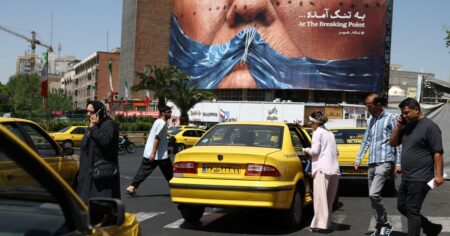
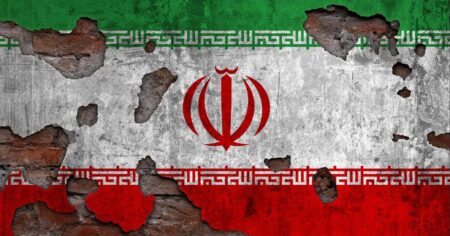
After enduring more than a month of relentless bombardment from Israeli and American forces, Iranians have cautiously welcomed a ceasefire that took effect on Wednesday. The strikes primarily targeted government and security installations throughout Tehran, but the devastation extended far beyond military objectives, destroying countless homes and leaving deep scars across the capital city. According to Iranian authorities, the conflict claimed over 1,900 lives and wounded more than 5,700 people, though these figures don’t distinguish between military personnel and civilians. The Iran Red Crescent reports that thousands of residential buildings sustained damage during the bombardment.
For residents of Tehran, the ceasefire has brought a measure of calm to their daily lives, though the relief is tempered by profound uncertainty about the future. A university student who spoke with journalists described the widespread sense of renewed hope among the population, saying the truce had “given them a new life.” Yet this optimism exists alongside the sobering reality of extensive destruction throughout the city and persistent fears that hostilities could resume at any moment. The fragile nature of the agreement is underscored by unresolved major issues, including Israel’s continued military operations against Iran-allied Hezbollah in Lebanon and Iran’s refusal to fully open the Strait of Hormuz, a critical waterway for global energy supplies.
The Whiplash of Trump’s Threats and Reversals
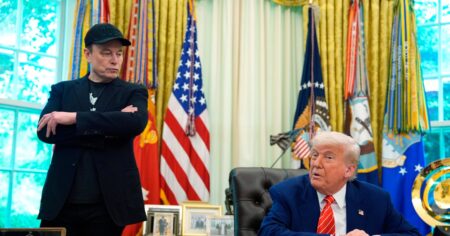
The hours leading up to the ceasefire agreement were particularly harrowing for Tehran’s residents, who experienced a dramatic emotional rollercoaster as U.S. President Donald Trump threatened to obliterate Iranian civilization before abruptly changing course. Trump’s escalating rhetoric culminated in a social media post declaring that “a whole civilization will die tonight,” sending waves of panic through Iranian communities. In response to these threats, many Iranians stockpiled water and relocated to areas they believed would be safer, bracing themselves for what seemed like an inevitable intensification of the bombardment.
The uncertainty kept countless people awake throughout Tuesday night as they anxiously awaited Trump’s self-imposed deadline. One man in his late twenties described jolting awake before dawn, listening carefully for the telltale sounds of air defense systems. When he heard nothing, he realized a truce had been reached and finally allowed himself to return to sleep “with a laugh and a smile.” This sense of whiplash has left many Iranians deeply unsettled, even as they welcome the temporary pause in violence. The threats particularly stung because they targeted not just the current government but Persian civilization itself—something that transcends political divisions and touches the core of Iranian identity, encompassing thousands of years of cultural heritage and the modern state that existed long before the 1979 Islamic Revolution.
The Human Face of Destruction
For residents of Tehran, the war’s impact goes far beyond statistics and military targets. Maryam Saeedpoor, a photographer living in downtown Tehran, attempted to cope with the stress by taking up painting during the bombardment, only to find her hands shaking too badly to hold a brush. She describes Tehran as “the warmest, the most beautiful city in the world,” but now sees its face as “full of sadness, pain.” Despite official claims that strikes targeted government leaders, Saeedpoor and other residents witnessed extensive civilian casualties and destruction. She recounted seeing rescue teams searching through rubble near her home, desperately looking for survivors in damaged residential buildings.
One photograph Saeedpoor shared on Instagram captured the aftermath of a strike on a police station that destroyed an entire street of homes. By chance, the building’s residents weren’t home that day, but the blast devastated all the surrounding properties. A woman who works as a physical trainer and social media influencer described riding her motorcycle through the city as “a form of civil resistance”—both against the requirement for women to cover their hair and the traditional prohibition on women riding motorcycles. Her travels revealed two distinct faces of Tehran: in the wealthy northern hills, elegant cafes remained packed with people attempting to maintain normal routines, while downtown traditional cafes serving hookahs catered to mostly male clientele. Yet strikes hit both affluent and working-class neighborhoods indiscriminately. In areas where buildings were damaged or destroyed, she encountered something far different: “Silence. The smell of death.”
Finding Refuge in Culture and Literature
Throughout the bombardment, many Iranians turned to their rich cultural heritage for comfort and strength. Persian civilization is renowned worldwide for its literary legacy, and many ordinary Iranians can quote from memory the works of famed poets like Hafez and Rumi. This deep connection to literature became even more pronounced during the war, as residents spent more time indoors seeking solace in books. A local journalist captured this spirit by posting a photo of a shop selling eggs with a sign offering: “Recite poetry, get a discount.”
Ali Jafarabadi, who heads Book City, Iran’s largest bookstore chain, reported that reading became a crucial coping mechanism for people during the conflict. Sales increased notably for historical fiction set during past wars, self-help books, and adult coloring books. At least six Book City branches across Tehran suffered damage during the bombardment, with the main branch on the famous Shariati Street taking a particularly hard hit. A blast from a nearby strike shattered the front windows and drove a metal rod through a line of books in Jafarabadi’s own office. Despite the danger, the stores closed for only the first few days of the war before reopening to serve customers who flocked to them. Jafarabadi explained that the strong business in recent weeks demonstrates that “people are craving books, people are craving culture, people are craving a safe space where they can come and connect with each other.” This resilience and determination to maintain cultural connections even amid violence speaks to the enduring strength of Iranian society.
A Nation Divided in Its Response
Iran’s complex political landscape means that reactions to the ceasefire have been far from uniform. While the population is deeply divided over the government—hundreds of thousands participated in mass protests in January before they were violently suppressed—Iranians share an intense pride in their civilization and national heritage. This pride was directly challenged by Trump’s threats to destroy not just military targets but critical infrastructure, bridges, and the foundations of Iranian society itself. Some who despise the current government had hoped the war would lead to regime change, while certain government supporters felt disappointed that Iran agreed to halt a conflict they believed it was winning.
However, as the advertising professional in his late twenties pointed out, most Iranians occupy a middle ground between these extremes. “Most people in Iran, unlike what you find on a platform like Twitter, are moderates,” he explained. “Everyone is looking for an improved situation, not a radicalized situation at any cost.” This moderate majority simply wants peace, stability, and the opportunity to rebuild their lives and their city. For photographer Maryam Saeedpoor, the two-week truce represents merely a “pause” rather than a genuine resolution, with no guarantees that the war won’t resume. She worries that the strikes have already inflicted lasting damage on industries and infrastructure that helped Iran weather decades of international sanctions, potentially undermining the country’s ability to sustain itself economically in the years ahead.
An Uncertain Future
As Tehran begins to assess the damage and residents attempt to return to normal life, the future remains deeply uncertain. The ceasefire has already proved shaky, threatened by ongoing regional conflicts and unresolved disputes over critical issues like the Strait of Hormuz. The internet shutdown imposed during the protests continues, making it difficult for Iranians to communicate with each other and the outside world. Journalists speaking with residents must rely on encrypted messaging apps like WhatsApp and Telegram, with sources requesting anonymity out of legitimate fears for their safety.
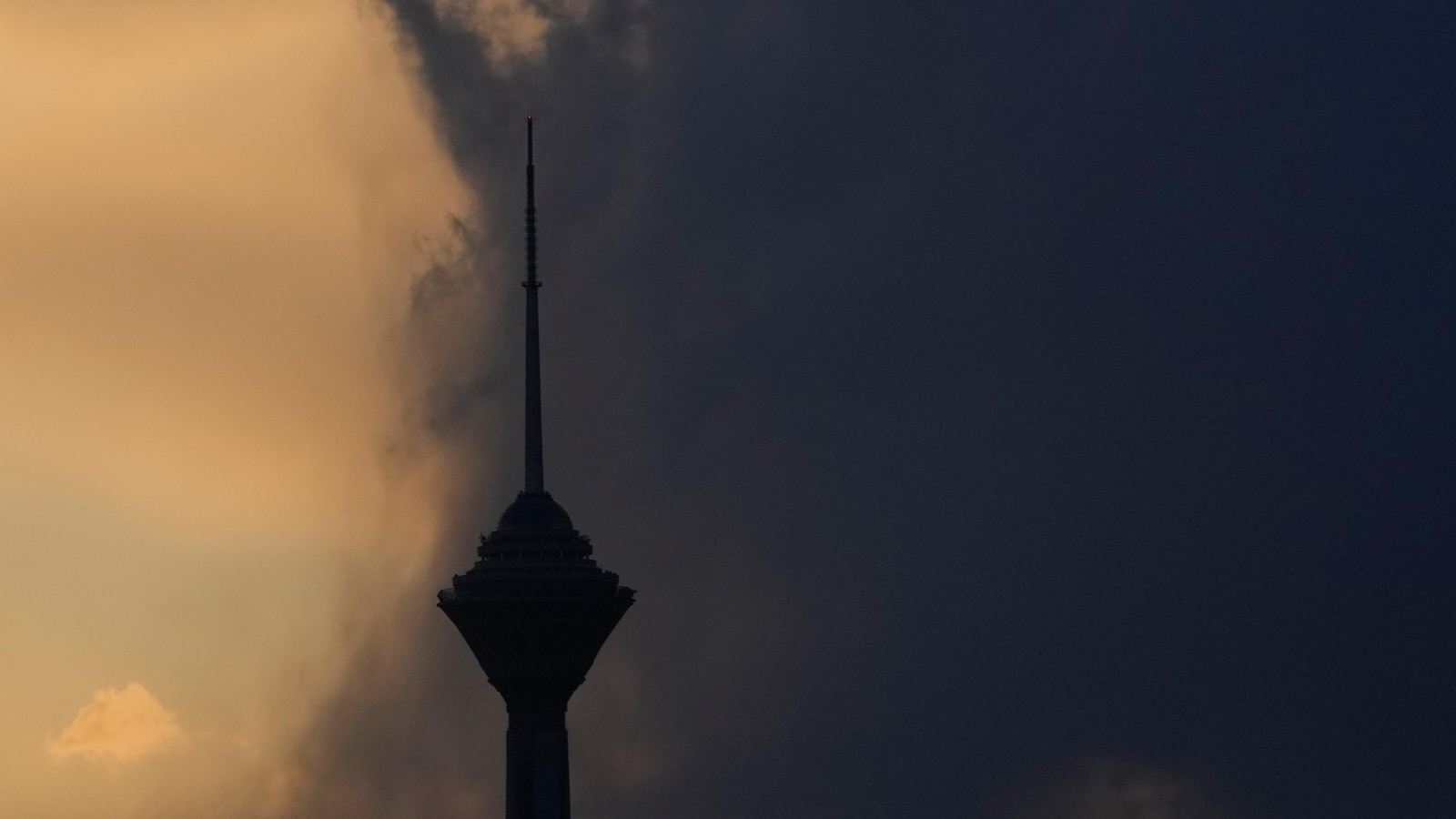
The physical scars of war are visible everywhere in Tehran, a city that had been beautifully designed by 19th-century rulers with broad avenues lined with plane trees and water channels called jub that still function today. The capital is ringed by snow-capped mountains, and Iran’s oil wealth funded a construction boom before the revolution and the Iran-Iraq war that created a modern metropolis. Now that cityscape bears the marks of yet another conflict. Despite the destruction and uncertainty, Iranians demonstrate remarkable resilience, finding ways to maintain their cultural traditions, support each other, and hope for a better future. Whether this fragile ceasefire will hold and lead to genuine peace or merely serves as a brief respite before renewed violence remains an open question that weighs heavily on everyone’s mind. For now, the people of Tehran are grateful for the silence of air defenses and the opportunity to sleep through the night, even as they remain vigilant and deeply aware that their reprieve may prove temporary.