
China Aims for a “Landmark Year” with the United States Despite Growing Tensions
Setting the Stage for Strategic Dialogue
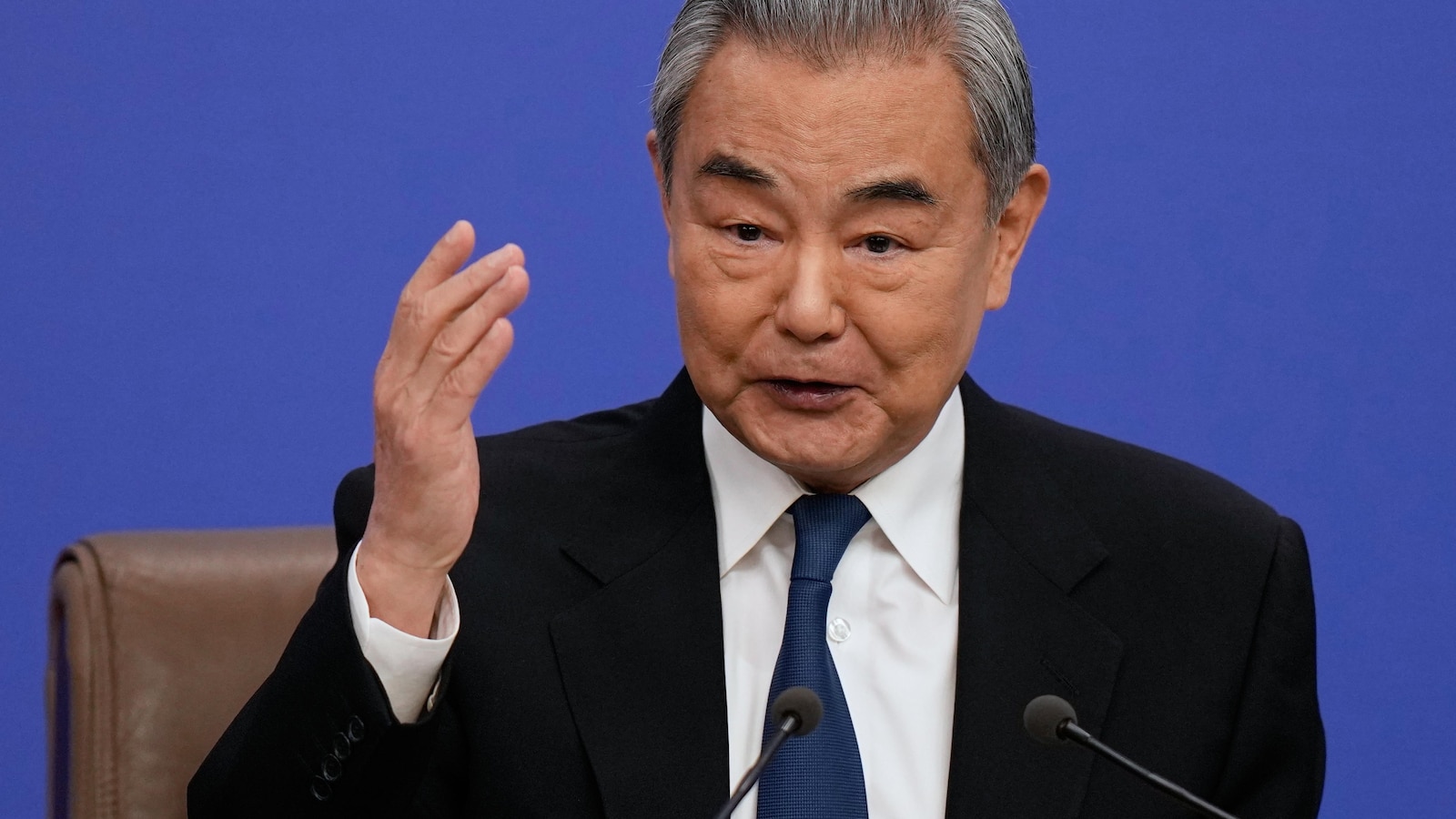
In a significant diplomatic overture, China has expressed hope that the coming year will mark a transformative period in its relationship with the United States, despite the two nations remaining fierce economic and geopolitical competitors. Speaking at a press conference held alongside China’s annual legislative gathering, Foreign Minister Wang Yi struck a notably optimistic tone about the prospects for improved relations between the world’s two largest economies. His comments came as preparations advance for an anticipated summit between Chinese President Xi Jinping and U.S. President Donald Trump, scheduled to take place in Beijing toward the end of March. While Minister Wang stopped short of officially confirming the visit, his remarks clearly signaled Beijing’s desire to move toward a less contentious relationship with Washington. He emphasized that despite the numerous areas where the two nations disagree, their leaders have maintained productive communication at the highest levels, which he described as providing crucial “strategic guarantee” for the bilateral relationship. This personal rapport between Xi and Trump, according to Wang, serves as a foundation upon which both countries can build a more stable and constructive partnership moving forward.
The Path Forward Requires Mutual Commitment
Minister Wang outlined what China sees as the necessary steps for making progress in U.S.-China relations, placing considerable emphasis on the importance of both nations working together in good faith. He acknowledged that the framework for high-level diplomatic exchanges between the two countries is already in place, but stressed that what matters now is how both sides prepare for these crucial conversations. According to Wang, success will require creating the right atmosphere for dialogue, managing the differences that inevitably exist between two such powerful nations with different political systems and values, and removing what he called “unnecessary distractions” that might derail productive discussions. Interestingly, Wang characterized China’s approach as consistently “positive and open,” while suggesting that the responsibility now lies primarily with the United States to reciprocate this attitude. His comment that “the key is for the U.S. side to meet us halfway” reflects Beijing’s view that it has extended an olive branch and is now waiting for Washington to respond in kind. This framing allows China to position itself as the more reasonable party should the relationship fail to improve, while also applying subtle pressure on the Trump administration to demonstrate flexibility and willingness to compromise.
The Legacy of Trade Tensions and Temporary Truces
The relationship between China and the United States has been marked by significant strain in recent years, with economic competition and trade disputes serving as particular flashpoints. During his first term as president, Donald Trump initiated what became known as a trade war with China, imposing tariffs on hundreds of billions of dollars worth of Chinese goods in an effort to address what he viewed as unfair trade practices and a massive trade imbalance favoring China. When Trump returned to office, he continued this aggressive trade policy, hitting China with some of the highest tariffs imposed on any country worldwide. The escalating trade tensions created uncertainty in global markets and raised concerns about the potential for broader economic disruption. However, in October of last year, Trump and Xi managed to reach a temporary agreement that provided some relief from the most punitive tariffs, effectively creating a pause in the trade war. This truce, while welcome to businesses and investors on both sides, represented more of a tactical timeout than a genuine resolution to the fundamental disagreements between the two economic powers. The underlying issues that sparked the trade conflict—including intellectual property protection, technology transfer, market access, and the overall structure of the trading relationship—remain largely unaddressed and continue to present challenges for the bilateral relationship.
China’s Growing Influence in Global Governance
Minister Wang’s comments also reflected a broader confidence in China’s expanding role on the world stage, particularly as the United States has withdrawn from various international organizations and agreements. China has been actively positioning itself as a defender of multilateral institutions, especially the United Nations, which has faced funding challenges and organizational cutbacks following American disengagement from multiple U.N. initiatives. As one of the five permanent members of the U.N. Security Council, China wields significant influence through its veto power and has skillfully leveraged this position to build relationships with other nations and fill the diplomatic vacuum created by America’s retreat from international leadership during Trump’s previous term. Wang specifically highlighted the Global Governance Initiative, a security framework that President Xi first introduced last September, which Beijing now says will place the United Nations at its center. The Chinese foreign minister emphasized that this initiative sends a clear message: the U.N.’s leadership role in international affairs must be upheld and cannot be undermined or replaced. He argued forcefully that while the United Nations may have imperfections, the world would be far worse off without it. Wang criticized what he characterized as attempts to bypass the U.N. by creating alternative arrangements or forming “various small groupings,” suggesting such approaches are neither sustainable nor likely to gain international support. This was an apparent reference to U.S. efforts to build coalitions outside the U.N. framework, which China views as attempts to circumvent institutions where Beijing has significant influence.
Addressing International Conflicts and Criticizing Power Politics
Beyond the bilateral relationship with the United States, Minister Wang also addressed broader international concerns, particularly ongoing military conflicts. He called for an immediate cessation of military actions in Iran, describing the situation as “a war that shouldn’t have happened, and is one that doesn’t bring any benefit to anyone.” While Wang carefully avoided mentioning the United States by name, his remarks contained what many observers interpreted as a thinly-veiled criticism of American foreign policy in the Middle East. His statement that “might does not equal right, and the world cannot revert to the law of the jungle” served as a rebuke to what China sees as the unilateral use of military force by powerful nations without proper international authorization or consensus. This rhetoric aligns with China’s broader messaging that positions Beijing as an advocate for a more multipolar world order, one in which no single nation can impose its will through military or economic coercion. Wang urged major powers to “play a constructive role” in resolving international conflicts and called for all parties to return to the negotiating table to end the war. This appeal for diplomatic solutions over military action represents a consistent theme in Chinese foreign policy discourse, one that Beijing uses to differentiate itself from what it portrays as America’s more aggressive and interventionist approach to international relations.
Implications for the Future of Sino-American Relations
As the anticipated summit between Presidents Xi and Trump approaches, the stakes for both nations—and indeed for the entire world—could hardly be higher. The United States and China together represent approximately 40 percent of global economic output, and the nature of their relationship has profound implications for international trade, climate change, technological development, and regional security, particularly in the Asia-Pacific region. Minister Wang’s characterization of this year as potentially “landmark” in nature suggests that Beijing sees an opportunity for a significant reset in the relationship, moving beyond the cycle of escalating tensions that has characterized recent years. However, achieving this reset will require both countries to navigate extraordinarily complex challenges, from fundamental disagreements about trade and technology to competing visions for regional and global order. China’s positioning of itself as the more flexible and reasonable party may resonate with some international audiences, but it will ultimately be the concrete actions taken by both Beijing and Washington that determine whether this year truly marks a turning point. The temporary trade truce reached last October offers a template for how the two nations might manage their differences without allowing them to spiral into full-blown conflict, but transforming tactical pauses into strategic stability will require sustained commitment from leaders on both sides. As the world watches the upcoming summit, there is cautious hope that Trump and Xi can find common ground and establish a framework for coexistence that acknowledges their competition while preventing it from becoming destructive to both nations and the broader international community.