
Colombia’s Hippo Crisis: The Unexpected Legacy of Pablo Escobar’s Exotic Zoo
The Growing Problem of “Cocaine Hippos”
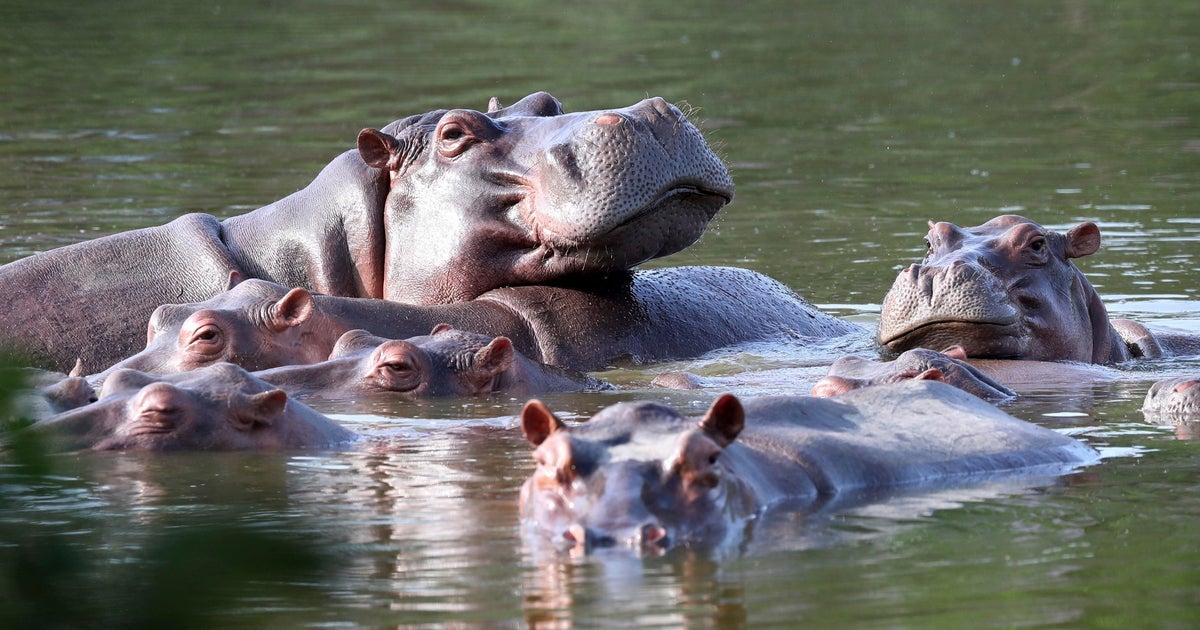
In a controversial decision that has sparked heated debate across Colombia, government officials announced on Monday their authorization of a culling plan targeting dozens of hippos that have been roaming freely through the country’s central region for decades. These animals, now infamously known as the “cocaine hippos,” trace their origins back to the 1980s when notorious drug lord Pablo Escobar imported four of them from Africa to populate his private zoo at Hacienda Nápoles, his sprawling ranch in the Magdalena River valley. What began as a eccentric billionaire’s exotic pet project has evolved into a full-blown ecological crisis, with Environment Minister Irene Vélez explaining that previous attempts to manage the population have proven both expensive and ineffective. The government plans to target up to 80 hippos with this new measure, though officials have not yet specified when the culling operations will begin. Minister Vélez emphasized the urgency of the situation, stating bluntly, “If we don’t do this we will not be able to control the population. We have to take this action to preserve our ecosystems.” Colombia now holds the unique and unwanted distinction of being the only country outside of Africa with a wild hippo population, and that population has exploded far beyond anyone’s expectations.
An Ecological Disaster Decades in the Making
The scope of Colombia’s hippo problem has grown dramatically since Escobar’s death in 1993. A comprehensive study published by Colombia’s National University estimated that approximately 170 hippos were roaming freely throughout the country by 2022, a staggering increase from the original four animals. These massive creatures have spread far beyond their original home at Hacienda Nápoles, with recent sightings reported more than 60 miles north of the ranch. The Colombian government has officially declared them an invasive species, recognizing the serious threat they pose to both human communities and native wildlife. Experts have concluded that sterilization efforts alone cannot adequately control the explosive growth of the hippo population, which is why authorities previously explored the possibility of transferring the animals to overseas sanctuaries. However, that option proved prohibitively expensive, with an estimated price tag of $3.5 million just for deportation costs. The previous control methods, including neutering some animals and relocating others to zoos, have simply not been sufficient to address the scale of the problem, leading to the government’s difficult decision to authorize lethal measures.
The Threat to Local Communities and Wildlife
Environmental authorities have documented numerous concerning incidents involving the hippos and local villagers who have encountered these massive animals on their farms and in rivers. The hippos, which can weigh up to 4,000 pounds and are considered one of Africa’s most dangerous animals, pose a significant safety risk to rural communities. Beyond the immediate danger to humans, the hippos are wreaking havoc on Colombia’s delicate ecosystem by competing with native species for food and living space. Animals such as river manatees, otters, and turtles face increasing pressure from these invasive giants. Independent journalist Audrey Huse, who has lived in Colombia for years and closely followed this issue, explained the environmental impact in stark terms: “Because they have no natural predators here, as they would in Africa, the population is booming and it’s affecting the local ecosystem.” She elaborated that these enormous animals consume massive amounts of grassland and produce significant quantities of waste, which then contaminates rivers and waterways. The hippos’ unchecked behavior has resulted in the deaths of fish populations and threatens endemic species that have existed in these habitats for millennia, fundamentally altering the ecological balance of the region.
An Unlikely Tourist Attraction
Despite the serious problems they cause, the hippos have paradoxically become something of a tourist draw for the region, creating a complex economic dimension to the crisis. Residents of villages surrounding the former Hacienda Nápoles have found creative ways to capitalize on the presence of these unusual animals, offering hippo-spotting tours to curious visitors and selling hippo-themed souvenirs. The hippos remain one of the main attractions at the Nápoles ranch itself, which was confiscated by the Colombian government as part of its seizure of Escobar’s extensive properties following his death. The property now operates as a theme park featuring swimming pools, water slides, and a zoo that houses several other African species that Escobar had imported. This transformation from a drug lord’s private estate to a family-friendly tourist destination represents one of many ways Colombia has attempted to reclaim and repurpose Escobar’s legacy. Last October, Colombian President Gustavo Petro announced that the country had handed over a portion of Escobar’s former ranch to women who had been caught up in the nation’s decades-long armed conflict, adding another layer of symbolic significance to the property.
Fierce Opposition from Animal Rights Activists
The government’s decision to authorize the culling of hippos has met with fierce resistance from animal welfare activists throughout Colombia, who argue that the creatures deserve to live despite the problems they cause. These activists contend that resorting to lethal measures sends a troubling message in a country that has endured decades of internal violence and conflict. Andrea Padilla, a senator and prominent animal rights activist who helped draft legislation against bullfighting in Colombia, sharply criticized the culling plan as a “cruel” decision, accusing government officials of choosing the easy path rather than seeking more humane solutions. In a pointed statement on social media platform X, Padilla wrote, “Killings and massacres will never be acceptable. These are healthy creatures who are victims of the negligence” of government entities. This opposition highlights the deep ethical divisions within Colombian society about how to handle the hippo problem, with some viewing the animals as innocent victims of human mistakes and others seeing them as dangerous invaders that must be controlled by any means necessary. The debate reflects broader questions about human responsibility for environmental problems and the appropriate balance between human needs, native ecosystems, and the welfare of invasive species.
Limited Options and Difficult Choices
Over the past twelve years, spanning three different presidential administrations, Colombia has made various attempts to address the hippo population through non-lethal means, particularly through sterilization programs. However, these initiatives have achieved only limited success due to the extraordinarily high costs associated with capturing these dangerous animals and performing surgical procedures on them. The expenses and risks involved in tranquilizing and operating on creatures that can be highly aggressive have made large-scale sterilization campaigns impractical. Meanwhile, the option of returning the hippos to their natural habitat in Africa has been deemed unfeasible for several important reasons. Because Colombia’s hippo population originated from just four animals, they come from an extremely limited gene pool, raising concerns about genetic diversity. Additionally, there are worries that these hippos might carry diseases that could threaten African hippo populations if they were reintroduced to that continent. The overseas sanctuary option, while initially promising, has proven too expensive to implement on the necessary scale. These constraints have left Colombian authorities feeling they have few viable alternatives to culling, despite the ethical concerns and public opposition such a measure generates. The situation represents a cautionary tale about the long-term consequences of introducing exotic species to new environments and the difficulty of undoing such ecological disruptions once they’ve had decades to establish themselves. As Colombia moves forward with this controversial plan, the world will be watching to see how this unique wildlife crisis unfolds and what lessons might be learned for managing invasive species elsewhere.