
Cuba Braces for Potential U.S. Military Action as Trump Escalates Threatening Rhetoric
Rising Tensions Between Washington and Havana
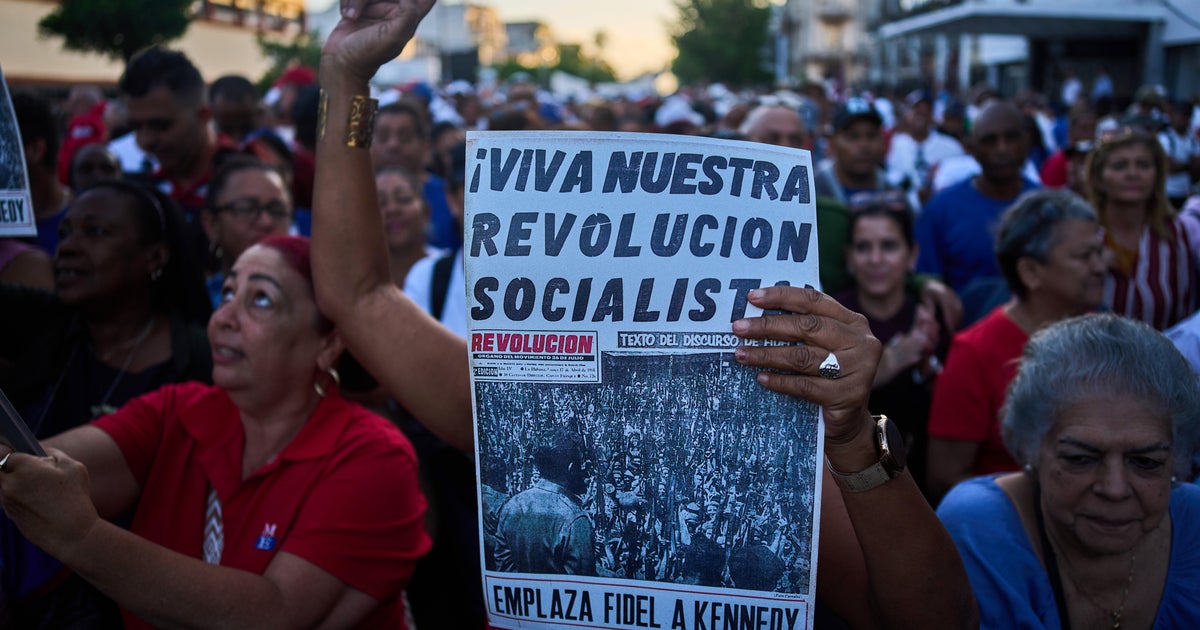
The relationship between Cuba and the United States has reached a critical boiling point, with Cuban President Miguel Díaz-Canel delivering a defiant message to his nation on Thursday. Speaking at a significant rally commemorating the 65th anniversary of Fidel Castro’s historic speech that defined Cuba’s socialist path, Díaz-Canel declared that his country stands “ready” to defend itself against a possible military attack from the United States. This stern warning comes as President Trump has dramatically intensified his hostile language toward the island nation, even suggesting that Cuba could become his administration’s next target once the current conflict with Iran concludes. The Cuban leader’s address was more than just rhetoric—it was a call to action for his people to prepare for what he described as “extremely challenging” times that require the same level of readiness Cuba demonstrated during the Bay of Pigs invasion in April 1961. While emphasizing that military conflict is not what Cuba desires, Díaz-Canel made it abundantly clear that the nation has a responsibility to prepare for such a scenario and, if necessary, to repel any aggression. The speech resonated with historical significance, delivered on the same date when, 65 years ago, Fidel Castro set Cuba on its revolutionary course in opposition to American influence in the Western Hemisphere.
Trump’s Escalating Threats and Language
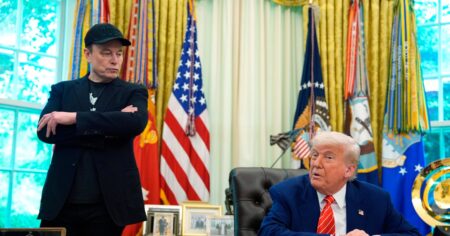
President Trump’s increasingly aggressive stance toward Cuba has sent shockwaves through diplomatic circles and raised concerns about potential military intervention in the Caribbean. Earlier this week, the President made an ominous statement suggesting that after completing military operations in Iran, his administration might “stop by Cuba.” His characterization of the island as a “failing nation” and a country that has been “terribly run for a long time” reflects a dismissive attitude that many see as laying the groundwork for more direct action. This isn’t the first time Trump has threatened Cuba—at a January press conference discussing the capture of Venezuelan President Nicolás Maduro, he warned that Cuba should be “concerned” about potential U.S. intervention. The rhetoric became even more pointed in March when Trump told White House reporters that he believed he would have “the honor of taking Cuba” in some capacity. Beyond verbal threats, the President has backed up his words with economic warfare, threatening to impose tariffs on any nation that provides oil to Cuba. This multi-pronged approach—combining inflammatory rhetoric with economic pressure—has created an atmosphere of genuine uncertainty about what might come next in U.S.-Cuba relations.
Secretary Rubio’s Role and the Narrative Battle
U.S. Secretary of State Marco Rubio has joined President Trump in criticizing Cuba’s government, adding a personal dimension to the diplomatic conflict. Rubio, whose parents left Cuba in the 1950s before the revolution transformed the country, has long been one of Cuba’s most vocal critics in American politics. Together, Trump and Rubio have painted a picture of Cuba as an ineffective, abusive state that needs to change. However, President Díaz-Canel strongly rejected this characterization, accusing the American leaders of constructing a false “narrative” that lacks any legitimate justification. In his passionate defense of his nation, the Cuban president argued that Cuba is not a failed state but rather a “besieged state” facing what he described as “multidimensional aggression.” According to Díaz-Canel, this aggression takes many forms: economic warfare, an intensified blockade, and specifically an energy blockade designed to cripple the nation’s ability to function. He emphasized that despite these enormous pressures, Cuba remains “a state that resists, creates, and will prevail.” This battle over narrative—whether Cuba is failing due to internal problems or being deliberately strangled by external forces—sits at the heart of the current tension between the two nations.
The Devastating Impact of the Energy Blockade
The humanitarian situation in Cuba has deteriorated significantly as a result of the Trump administration’s oil embargo, which has targeted the island’s ability to acquire fuel from its traditional suppliers including Venezuela, Mexico, and Russia. This energy blockade has compounded an already severe economic crisis that began five years ago, triggered initially by the COVID-19 pandemic and then worsened by progressively tightening U.S. sanctions aimed at forcing political change in Cuba. The real-world impact on ordinary Cubans has been devastating—the population now endures prolonged electricity blackouts that can last for hours or even days, and fuel shortages have made transportation and basic economic activities extremely difficult. International experts have begun warning of an emerging humanitarian crisis on the island, as the lack of energy affects everything from food storage and medical care to water supply and communication systems. President Díaz-Canel spoke emotionally about the achievements of Cuba’s revolution, particularly its social welfare system that has provided free education and trained thousands of professionals. Tragically, many of these highly educated Cubans have been forced to emigrate due to the economic crisis, representing a significant brain drain for the country. The current situation has created a painful irony—Cuba’s investment in its people through education and healthcare has produced talented individuals who now feel they have no choice but to leave their homeland in search of better opportunities elsewhere.
Diplomatic Efforts Amid Growing Crisis
Despite the heated rhetoric and genuine threats, both the United States and Cuba have acknowledged that diplomatic talks are taking place to try to resolve the mounting tensions. However, neither side has been willing to disclose details about these conversations, leaving the international community to speculate about whether meaningful progress is being made or if the discussions are merely symbolic gestures. The secrecy surrounding these talks reflects the complexity and sensitivity of the situation—both governments face domestic pressures that make compromise difficult. For President Trump, appearing tough on Cuba plays well with certain constituencies, particularly Cuban-American communities in Florida who fled the Castro regime. For President Díaz-Canel, any appearance of capitulating to American pressure could undermine his government’s legitimacy and contradict the defiant stance that has defined Cuba’s revolutionary identity for more than six decades. The question remains whether these diplomatic channels can produce real results before the situation escalates further, or whether they’re simply buying time as both sides prepare for a more serious confrontation.
Historical Echoes and an Uncertain Future
The timing and symbolism of President Díaz-Canel’s speech carry profound significance for anyone familiar with Cuban history. By speaking on the 65th anniversary of Fidel Castro’s declaration that transformed Cuba’s revolution into an explicitly socialist movement, the current Cuban leader was deliberately connecting today’s crisis to the nation’s founding mythology. In April 1961, just days before the failed Bay of Pigs invasion, Castro’s speech defined Cuba’s ideological direction and its opposition to American dominance in Latin America. Now, more than six decades later, Cuba once again finds itself preparing to defend against potential American military action, though the geopolitical context has dramatically changed. The Cold War framework that once gave Cuba powerful allies in the Soviet Union is gone, leaving the island more isolated than ever. Yet the revolutionary rhetoric persists, with Díaz-Canel invoking the same spirit of resistance that has sustained Cuban identity through decades of American embargo. As the situation continues to develop, the world watches anxiously to see whether cooler heads will prevail or whether the Caribbean might once again become a flashpoint for international conflict. The stakes are enormous—not just for the Cuban people already suffering under economic hardship, but for regional stability and international norms regarding military intervention. Whatever happens next will write another chapter in the long, complicated story of U.S.-Cuba relations.