

Missing Sailboats Carrying Humanitarian Aid to Cuba Spark International Search Effort
Growing Concern for Missing Vessels and Their Crews
The disappearance of two sailboats carrying nine people and humanitarian supplies bound for Cuba has triggered an extensive international search operation, drawing attention from Cuban President Miguel Díaz-Canel and maritime authorities across multiple nations. The vessels departed from Isla Mujeres, a small island off Mexico’s Yucatan Peninsula, on March 20th with the mission of delivering much-needed aid to the Caribbean nation. As days passed without any communication from the boats, which were expected to arrive in Havana between Tuesday and Wednesday of this week, concerns have mounted about the safety of those aboard. President Díaz-Canel personally addressed the situation on Friday, emphasizing that Cuban authorities are doing everything within their power to locate what he called “these brothers in struggle.” The disappearance has become more than just a missing persons case—it represents the human cost of efforts to support Cuba during one of its most challenging periods in recent history, as the island nation faces severe fuel shortages and widespread electrical blackouts that have brought daily life nearly to a standstill.
The Humanitarian Mission Behind the Journey
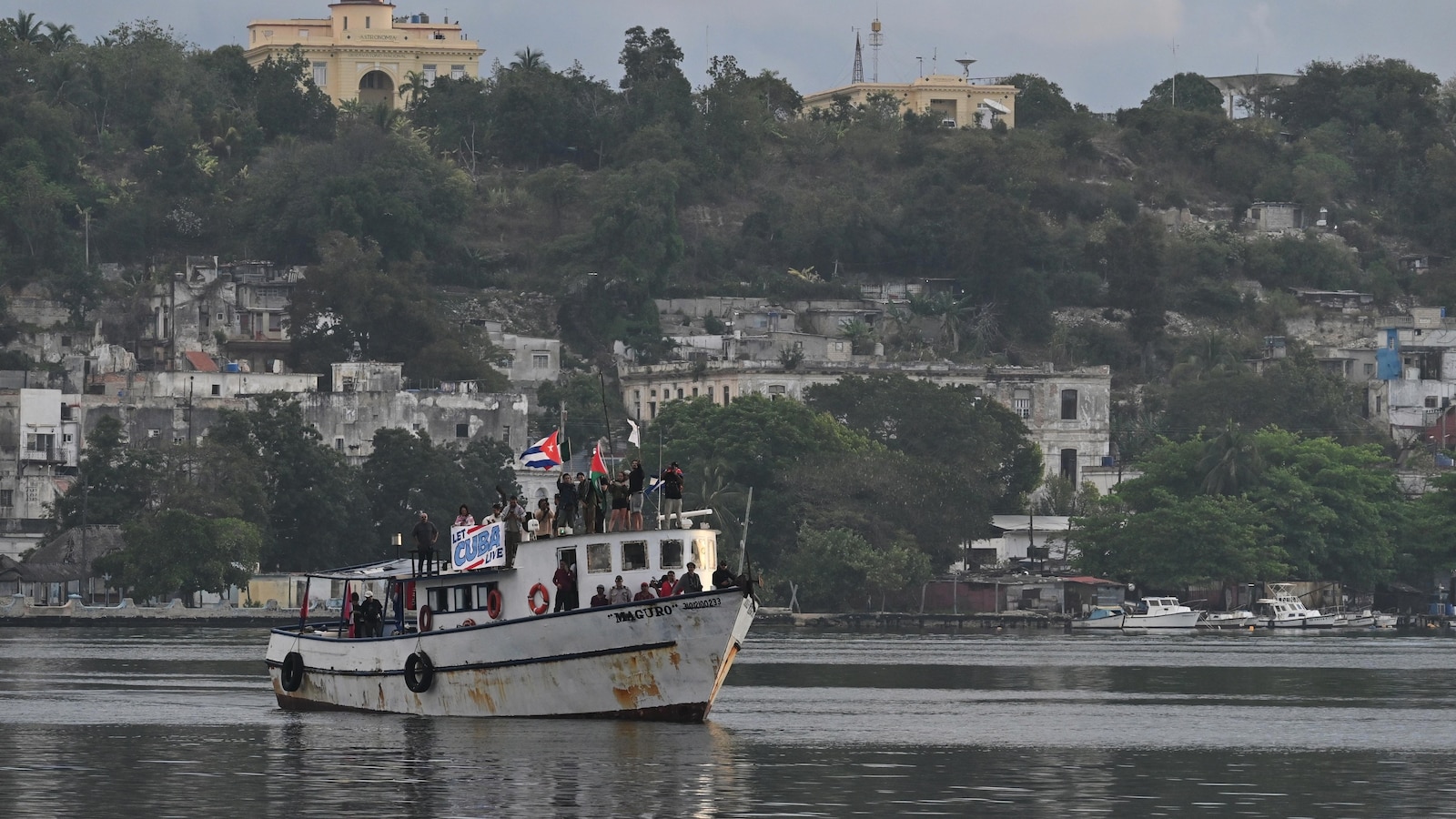
These missing sailboats were part of a larger humanitarian initiative organized by Nuestra América Convoy, an organization dedicated to providing relief to Cuba during its current crisis. The mission reflects a growing international response to Cuba’s deteriorating situation, which has been exacerbated by what organizers describe as a U.S. fuel blockade that has caused devastating power outages across the island. The severity of Cuba’s situation has prompted an increasing number of countries and aid organizations to send shipments of food, medicine, and other essential supplies to help the Cuban people weather this difficult period. The two missing vessels were following in the wake of a successful delivery—a first boat from the same convoy had safely reached Havana on Tuesday, carrying an impressive cargo of 14 tons of food and medicine, 73 solar panels, and about a dozen bicycles. These supplies represent lifelines for ordinary Cubans struggling with shortages of basic necessities and the collapse of electrical infrastructure. The solar panels, in particular, offer hope for alternative energy sources in a nation where blackouts have become routine, affecting everything from food storage to medical care. The humanitarian nature of this mission has added emotional weight to the search efforts, as the missing sailors weren’t simply traveling—they were attempting to bring relief to people in desperate need.
Reasons for Cautious Optimism
Despite the anxiety surrounding the missing vessels, there are several factors that provide grounds for hope. According to Nuestra América Convoy, both boats are captained and crewed by experienced sailors who are well-versed in navigating the sometimes treacherous waters between Mexico and Cuba. These aren’t novice adventurers but seasoned maritime professionals who understand the challenges of this particular route. Furthermore, both vessels are reportedly equipped with appropriate safety systems and modern signaling equipment, which should enable them to communicate their position or call for help if they encounter difficulties. Based on the speed of the vessels as reported to Cuban maritime authorities, the organization calculated on Friday that the boats could arrive in Havana as late as Saturday, meaning they might simply be delayed rather than in actual distress. Ocean travel is inherently unpredictable, with weather conditions, currents, and mechanical issues sometimes causing significant delays that don’t necessarily indicate disaster. In their official statement, Nuestra América Convoy expressed continued confidence in the crews’ ability to reach Havana safely while cooperating fully with search authorities. This measured optimism, combined with the sailors’ experience and equipment, suggests that patience may yet be rewarded with a safe arrival.
Massive International Search Operation Underway
The response to the missing sailboats has been swift and comprehensive, involving coordination between multiple nations and maritime authorities across different continents. The Mexican navy took the lead in organizing the search effort, immediately alerting naval commands at Isla Mujeres and Yucalpetén, as well as activating naval search, rescue, and surveillance stations throughout the region. What’s particularly remarkable about this operation is the level of international cooperation it has generated. Maritime rescue coordination centers in Poland, France, Cuba, and the United States have all been contacted and are participating in the effort, along with diplomatic representatives from the countries of origin of those aboard the missing vessels. This multinational response demonstrates how humanitarian missions can transcend political differences, with even countries that have complicated relationships working together when lives are at stake. The search operation itself is sophisticated and comprehensive, employing both naval vessels and specialized Persuader-type aircraft that are conducting systematic maritime and aerial search patterns along the estimated route between Isla Mujeres and Havana. Search coordinators are taking into account various scenarios, including possible course changes the sailors might have made, as well as prevailing weather conditions and ocean currents that could have pushed the vessels off their planned route.
The Broader Context of Cuba’s Current Crisis
The disappearance of these humanitarian vessels cannot be understood without recognizing the severe crisis currently gripping Cuba. The island nation is experiencing what many observers describe as its worst situation in decades, with crippling fuel shortages leading to widespread and prolonged blackouts that have brought normal life to a near standstill. These aren’t brief power interruptions but extended outages that affect everything from hospitals and schools to homes and businesses, creating a humanitarian emergency that has prompted international concern. The fuel crisis and resulting blackouts have had cascading effects throughout Cuban society—refrigeration failures lead to food spoilage, lack of power affects water pumping systems, and the overall economy has ground to a crawl. This situation has pushed what organizers call an “increasing number of countries and aid organizations” to send humanitarian shipments to Cuba, breaking through years of relative isolation. The reference to a “U.S. fuel blockade” points to the longstanding American embargo on Cuba, which supporters of the aid mission argue has contributed significantly to the current crisis by restricting Cuba’s ability to purchase fuel and other essential supplies on international markets. Whether one views this as a blockade or as legitimate sanctions, the result is undeniable human suffering that has motivated people from various countries to take personal risks—like sailing across open ocean—to provide relief.
Community Response and the Call for Information
As the search continues, Nuestra América Convoy has made an open call to anyone who might have information about or sightings of the missing boats, mobilizing a broader community beyond official search channels. This crowdsourced approach to locating the vessels recognizes that in the age of recreational boating, fishing fleets, and maritime commerce, there are countless eyes on the water who might have seen something relevant. Fellow sailors, fishing vessels, cargo ships, and even pleasure craft traveling in the region are being asked to report any sightings that might help narrow the search area or confirm that the boats are still moving toward their destination. This community response reflects the human dimension of the story—these aren’t abstract statistics but real people with families and friends anxiously awaiting news. The nine individuals aboard the missing sailboats made a conscious choice to undertake this journey, knowing the risks involved in crossing open water to deliver aid to strangers in need. Their decision to put themselves in potential danger to help others has resonated with people far beyond those directly involved in the mission. As the search enters its critical phase, the hope is that the combination of professional search efforts, international cooperation, the sailors’ own experience and equipment, and community vigilance will result in a positive outcome. The story of these missing boats has become a powerful reminder of both human vulnerability on the open ocean and human solidarity in the face of suffering, embodying the best of humanitarian impulses even as it generates anxiety about the fate of those who answer such calls.