


Afghanistan Faces Devastating Floods: Over 110 Lives Lost as Nation Battles Extreme Weather Crisis
A Nation Under Water: The Unfolding Disaster
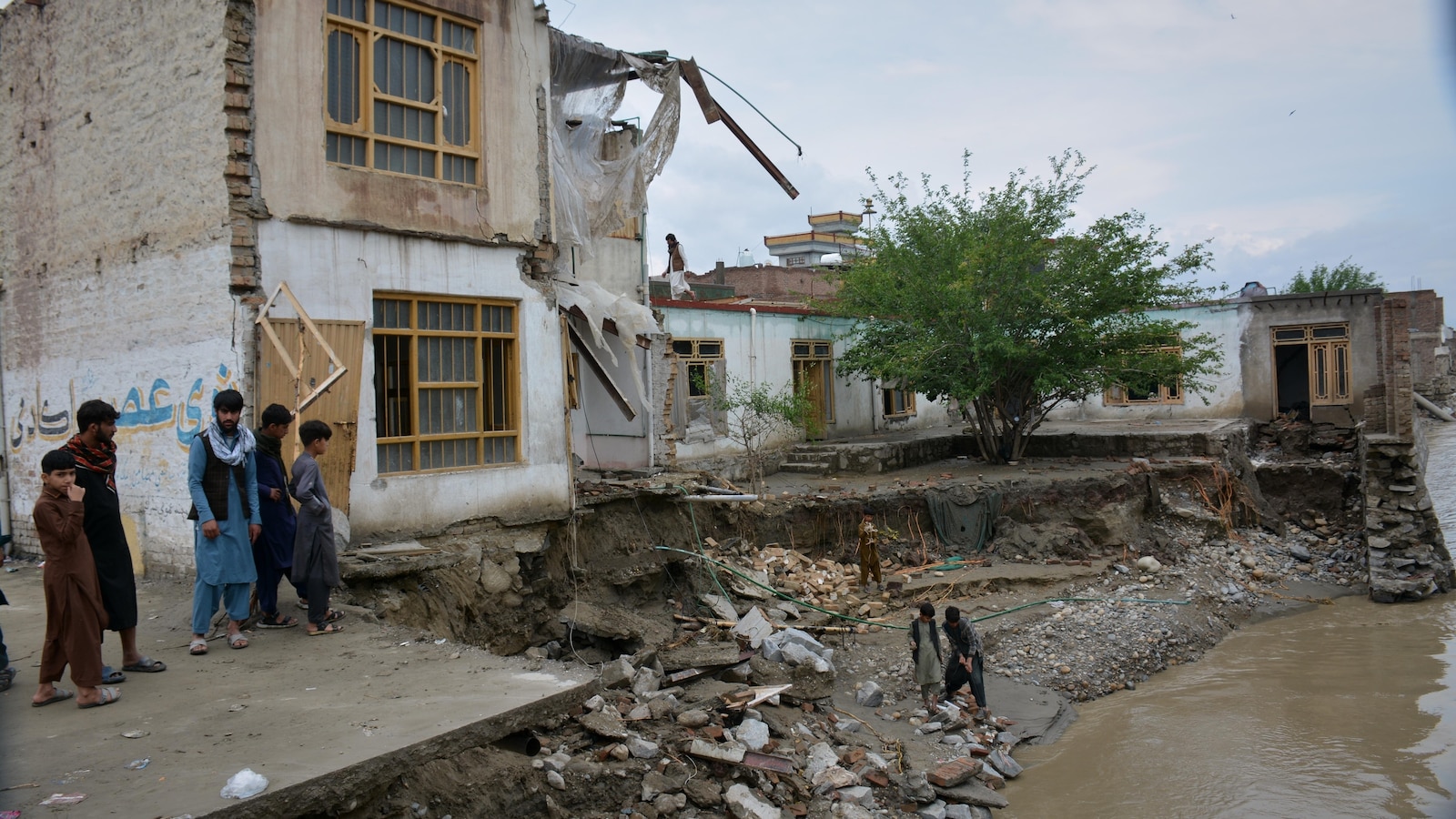
Afghanistan is grappling with one of its most severe weather catastrophes in recent memory, as relentless storms and torrential rainfall have unleashed deadly flooding and landslides across the country. The disaster, which began approximately twelve days ago, has now claimed at least 110 lives, with authorities warning that the death toll may continue to rise as seven people remain missing and more heavy rain looms on the horizon. The scope of this natural disaster is truly staggering – it has touched nearly every corner of the nation, affecting communities in most of Afghanistan’s 34 provinces. What makes this situation particularly heartbreaking is the speed and ferocity with which these floods have struck. In just the past 24 hours alone, eleven more people have lost their lives, and six others have sustained injuries, according to the country’s Disaster Management Authority. The seven individuals reported missing are all believed to have been swept away by the powerful floodwaters, their families left in agonizing uncertainty about their fate. This is not just a collection of statistics – behind each number is a family torn apart, a community in mourning, and lives forever changed by forces of nature that no one could control.
The Human Cost: Families Displaced and Lives Shattered
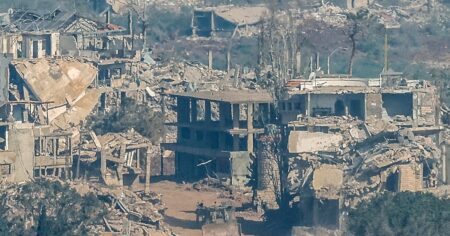
Beyond the tragic loss of life, the flooding has left a trail of destruction that will take months, if not years, to fully repair. The numbers paint a picture of widespread devastation: 110 people killed and 160 injured over the twelve-day period, with nearly a thousand homes – 958 to be exact – completely destroyed. Another 4,155 homes have suffered partial damage, leaving thousands of families without adequate shelter as the rains continue to fall. Imagine losing everything you own in a matter of hours – your home, your possessions, the place where your children took their first steps and where generations of memories were made. This is the reality for thousands of Afghan families right now. The Disaster Management Authority emphasizes that these figures are still preliminary, suggesting that the true extent of the damage may be even worse than currently reported. The flooding hasn’t just destroyed homes; it has shattered the sense of security that comes from having a roof over your head and a place to call your own. For a country that has already endured decades of conflict and instability, this natural disaster adds another layer of hardship to lives already marked by struggle and resilience.
Infrastructure in Ruins: A Country Cut Off
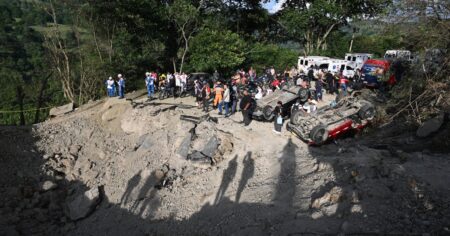
The flooding has done more than damage homes – it has effectively severed vital connections across the country, isolating communities and making rescue and relief efforts exponentially more difficult. More than 325 kilometers (roughly 200 miles) of roads have been destroyed or rendered impassable, transforming what were once simple journeys into arduous odysseys. Two of Afghanistan’s major highways have been shut down for days due to landslides and floods, forcing travelers to take long, winding alternative routes that add hours or even days to their trips. The Kabul to Jalalabad highway, which serves as the main artery connecting the capital to the Pakistani border and eastern Afghan provinces, has been closed since last Thursday. Similarly, the road from Jalalabad heading northeast to Kunar and Nuristan provinces has been blocked since Sunday by falling rocks and debris. These aren’t just inconveniences – these road closures affect everything from emergency response times to food deliveries to families’ ability to reach loved ones. The damage extends beyond just roads, too. Businesses have been destroyed, agricultural land has been submerged or washed away, irrigation canals that farmers depend on have been damaged, and fresh-water wells have been contaminated or destroyed. All told, these various forms of damage have affected 6,122 families, each struggling to figure out how they’ll rebuild their livelihoods and their lives.
Dramatic Rescues and the Race Against Time
Amid all the destruction and loss, there are also stories of dramatic rescues and heroic efforts to save lives. The Defense Ministry reported on Monday that it had deployed a helicopter to airlift two people to safety after they became stranded by floodwater in the western province of Herat. While this represents just two lives saved, it highlights the dangerous and complex operations that rescue teams are undertaking across the country. These helicopter missions require skilled pilots willing to fly in dangerous weather conditions, navigating through storms and poor visibility to reach people who might otherwise have no hope of survival. For the two individuals pulled from the floodwaters in Herat, that helicopter represented the difference between life and death. One can only imagine their relief at seeing that aircraft appear through the rain and knowing that rescue had arrived. Unfortunately, not everyone has been so fortunate, and rescue teams continue to search for the seven people still missing, racing against time and the elements in hopes of finding them alive. The challenges facing these rescue operations are immense – damaged roads make it difficult to reach affected areas, continuing rainfall hampers visibility and creates new dangers, and the sheer geographic spread of the disaster means that resources must be stretched thin across a vast area.
Weather Warnings and the Threat of More to Come
Perhaps most alarming is that this disaster may not be over yet. Authorities have issued weather warnings for Tuesday covering nearly the entire country, urging people to stay away from rivers and areas known to be prone to flooding. This means that even as communities try to assess the damage and begin the difficult work of recovery, they must also prepare for the possibility of more flooding, more destruction, and more loss of life. It’s an exhausting and terrifying prospect for people who have already lost so much. The warnings underscore a harsh reality: in Afghanistan, extreme weather events like this are not rare anomalies but recurring threats. Earlier this year, heavy snowfall and flash floods left dozens of people dead across the country. In 2024, more than 300 people died in springtime flash floods – a staggering number that highlights just how vulnerable Afghanistan is to these natural disasters. Snow and heavy rain regularly trigger flash floods that kill scores, or even hundreds, of people at a time. The mountainous terrain, deforestation, poor infrastructure, and limited emergency response capabilities all combine to make Afghanistan particularly susceptible to weather-related catastrophes. Climate change may be exacerbating these patterns, making extreme weather events more frequent and more severe, but the underlying vulnerabilities have been present for years.
A Nation’s Resilience Tested Once Again
Afghanistan has endured more than its fair share of hardship over the past several decades – war, political instability, economic challenges, and now, increasingly severe natural disasters. Yet through it all, the Afghan people have demonstrated remarkable resilience, rebuilding after each setback and finding ways to carry on despite seemingly insurmountable obstacles. This flooding disaster will test that resilience once again. The road to recovery will be long and difficult. Homes must be rebuilt, roads repaired, agricultural land restored, and water systems repaired or replaced. Families who lost loved ones will carry that grief with them always, even as they work to rebuild their material lives. The economic impact will be felt for years, as destroyed businesses struggle to restart and farmers who lost their land and crops face uncertain futures. The international community and humanitarian organizations will undoubtedly play a role in the recovery effort, but the primary burden will fall on the Afghan people themselves and their government. As rescue operations continue and communities begin to assess the full extent of the damage, the world watches and hopes that the weather will finally break, giving Afghanistan a chance to begin healing. For now, the focus remains on finding the missing, caring for the injured, providing shelter for the displaced, and preparing for the possibility of more rain. In this moment of crisis, the strength and solidarity of communities will be crucial, as neighbors help neighbors and families support each other through the darkest of times. Afghanistan has survived many storms before – both literal and metaphorical – and it will survive this one too, though not without scars and not without remembering the lives lost to the raging waters.