
UN Nuclear Watchdog Monitors Iranian Nuclear Facilities Amid Ongoing Military Strikes
IAEA Chief Reports No Damage to Nuclear Sites, But Warns of Radiological Risks
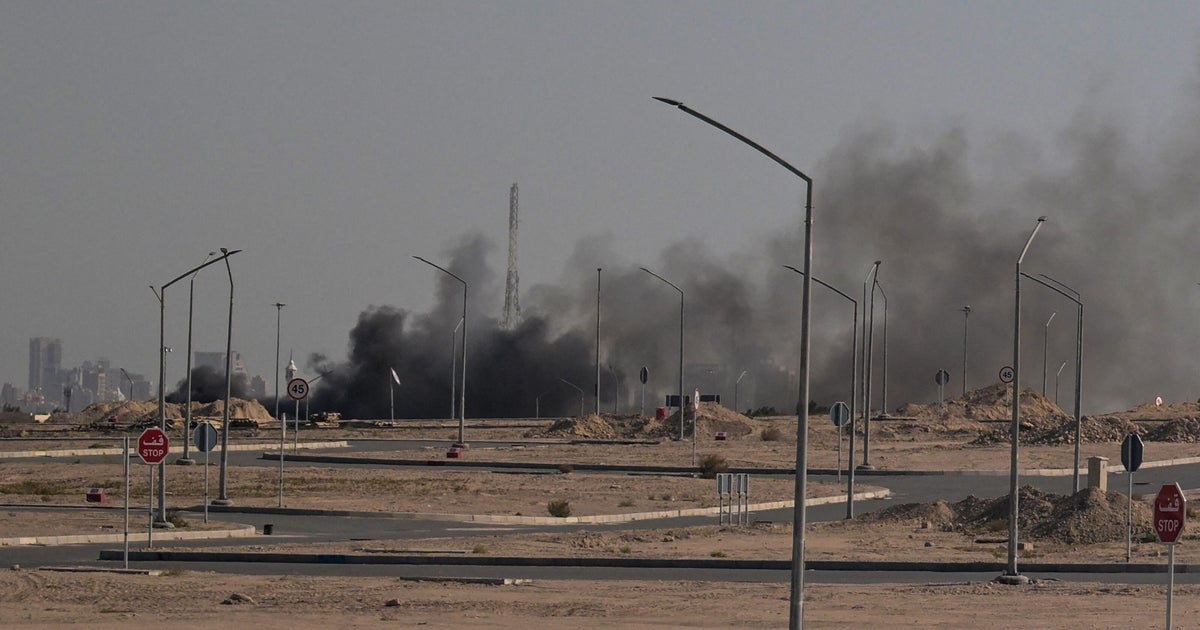
Rafael Grossi, the Director General of the International Atomic Energy Agency (IAEA), issued a sobering statement on Monday regarding the current military confrontation involving Iran, Israel, and the United States. While bringing some reassuring news that Iran’s nuclear facilities appear to have escaped damage so far, Grossi painted a picture of extreme concern about what could happen as military operations continue. Speaking from the IAEA headquarters, he confirmed that his organization had found “no indication” that any Iranian nuclear installations had suffered hits during the ongoing strikes. However, the nuclear watchdog chief was quick to emphasize that this doesn’t mean the danger has passed—far from it. With missiles continuing to streak through Middle Eastern skies and military operations still underway, the threat of a catastrophic accident involving nuclear materials remains very real and deeply troubling to international observers.
The gravity of the situation became clearer as Grossi outlined the potential consequences should any of the region’s nuclear facilities be struck, whether intentionally or accidentally. He warned that a “possible radiological release with serious consequences” could not be ruled out given the current military situation. This isn’t just abstract nuclear anxiety—Grossi specifically mentioned that such an incident could necessitate evacuating areas “as large or larger than major cities,” a scenario that would create a humanitarian crisis of staggering proportions. His words echo the darkest moments of nuclear history, calling to mind disasters like Chernobyl and Fukushima, where radioactive contamination forced permanent evacuations and created exclusion zones that remain uninhabitable decades later. The IAEA director’s assessment makes clear that the Middle East is walking a nuclear tightrope, where one miscalculation or stray missile could transform a regional military conflict into a radiological catastrophe with global implications.
Urgent Calls for Restraint as Nuclear Safety Hangs in the Balance
Grossi didn’t mince words in his appeal to the warring parties, calling the situation “very concerning” and urging “the utmost restraint” from everyone involved in the conflict. In his statement, released as he opened a closed-door session of IAEA officials, he reiterated his plea: “I call on all parties to exercise maximum restraint to avoid further escalation.” This diplomatic language carries an unmistakable urgency—the head of the world’s nuclear watchdog is essentially telling military planners that they’re playing with radioactive fire. His concerns aren’t limited to Iran alone. Grossi pointed out that “Iran and many other countries in the region that have been subjected to military attacks have operational nuclear power plants and nuclear research reactors, as well as associated fuel storage sites, increasing the threat to nuclear safety.” This observation highlights a frightening reality: the Middle East has become dotted with nuclear facilities over the years, and in a region prone to military conflict, each one represents a potential disaster waiting to happen.
The IAEA’s attempts to gather real-time information about the safety of Iran’s nuclear infrastructure have hit a concerning roadblock. Grossi revealed that his agency has been trying to contact Iranian nuclear regulatory authorities but has received “no response so far.” This communication blackout is particularly worrying because it means the international community is essentially flying blind regarding the actual status of Iran’s nuclear sites during active military operations. Are safety systems functioning properly? Are personnel able to maintain proper protocols amid the chaos of war? Have there been near-misses that haven’t been reported? Without direct communication with Iranian authorities, these critical questions remain unanswered. The silence could mean many things—from communication infrastructure being damaged to Iranian authorities being too overwhelmed to respond, or perhaps a deliberate decision to limit information sharing during wartime. Regardless of the reason, this information vacuum makes an already dangerous situation even more precarious.
Iran’s Nuclear Stockpile Remains Largely Intact Despite Earlier U.S. Strikes
Adding another layer of complexity to the current crisis is the revelation that Iran’s nuclear program remains substantially intact despite previous military action. The IAEA reported just days before Grossi’s latest statement that Iran still possesses a stockpile of approximately 972 pounds of uranium enriched to 60% purity—a level that puts it just a short technical step away from the 90% enrichment needed for nuclear weapons. This finding directly contradicts earlier claims by President Trump, who had stated that U.S. strikes in June had “obliterated” Iran’s nuclear program. The reality on the ground, according to the IAEA’s careful monitoring, tells a very different story. Far from being obliterated, Iran’s nuclear capabilities remain formidable and concerning to international observers worried about nuclear proliferation in an already volatile region.
Grossi’s assessment from February 19 provided even more detail about the resilience of Iran’s nuclear program. He stated that “most of the material that Iran had accumulated up until June of last year, despite the [U.S.] bombings and the attacks, is still there, in large quantities, where it was at the time of the strikes.” While he acknowledged that “some of it may be less accessible,” the fundamental reality is that the enriched uranium—the most crucial component of any nuclear weapons program—wasn’t destroyed or significantly diminished by the earlier military strikes. This presents a troubling picture: military action has failed to eliminate Iran’s nuclear capabilities while simultaneously creating conditions where those same nuclear materials could be accidentally released through damage to the facilities that contain them. It’s a worst-case scenario where military strikes intended to enhance security might instead create new and potentially more immediate dangers to regional and global safety.
The Broader Context: Nuclear Facilities in a War Zone
The current crisis highlights a fundamental problem that the international community has struggled to address: what happens to civilian nuclear infrastructure during military conflicts? Unlike previous eras when nuclear facilities were rare and typically located in stable countries, today’s world features nuclear power plants and research reactors spread across regions prone to instability and conflict. The Middle East exemplifies this dangerous combination—a region with a long history of military confrontations now hosts multiple nuclear facilities in several countries. Each research reactor, fuel storage site, and power plant becomes a potential source of radiological contamination if struck during military operations. The laws of war theoretically protect such facilities, but in the heat of conflict, with missiles flying and military objectives competing for priority, the margin for error becomes razor-thin.
What makes the situation even more complex is the dual nature of nuclear facilities—they serve legitimate civilian purposes for energy production and scientific research, but the same facilities and materials can also advance weapons programs. This dual-use reality has made Iran’s nuclear program a flashpoint for international tensions for years. Western powers, particularly the United States and Israel, have long suspected that Iran’s civilian nuclear program masks weapons development ambitions, despite Iranian denials. Previous diplomatic efforts, including the 2015 Joint Comprehensive Plan of Action (JCPOA), attempted to address these concerns through monitoring and limitations on Iran’s nuclear activities. However, that agreement collapsed after the U.S. withdrawal in 2018, and Iran subsequently expanded its enrichment activities. The current military strikes represent a far more dangerous phase in this long-running confrontation, where diplomacy has given way to direct military action, with all the attendant risks that Grossi now warns about.
Looking Forward: The Urgent Need for Diplomatic Solutions
In his Monday statement, Grossi made clear that military solutions to nuclear concerns carry unacceptable risks, calling for diplomatic negotiations to resume “as quickly as possible.” This plea reflects a broader understanding among nuclear safety experts that there simply is no military option that can eliminate nuclear risks without potentially creating worse dangers. Bombing nuclear facilities doesn’t make enriched uranium disappear—it potentially scatters it across populated areas. Military strikes can damage containment systems, disable safety equipment, and prevent personnel from performing critical maintenance tasks. The only path that actually reduces nuclear dangers in the region runs through negotiation, monitoring, and diplomatic agreements that all parties can accept and verify.
The international community now faces a critical moment. The IAEA, as the world’s nuclear watchdog, can provide verification and monitoring, but it cannot force compliance or stop military strikes. That responsibility falls to national governments and international diplomatic efforts. The current crisis demonstrates both the limitations of military approaches to nuclear concerns and the vital importance of maintaining diplomatic channels even during conflicts. As missiles continue to fly and tensions remain high, Grossi’s warnings serve as a stark reminder that in the nuclear age, military conflicts carry risks that extend far beyond the immediate battlefield. A single miscalculation could create a radiological disaster affecting millions of people across national borders for generations to come. The question now is whether the parties involved will heed these warnings and step back from the brink before the worst-case scenarios that Grossi describes become terrible reality. The world watches and waits, hoping that restraint and reason will prevail before nuclear safety transforms from a concern into a catastrophe.