


Justice Department Moves to Drop Charges Against Officers in Breonna Taylor Case
A Stunning Reversal in a High-Profile Case
In a surprising turn of events that has sent shockwaves through civil rights communities and the families still seeking justice, the U.S. Department of Justice announced on Friday that it wants to dismiss charges against two former police officers connected to one of the most controversial police raids in recent American history. Joshua Jaynes and Kyle Meany, former Louisville police officers who were accused of providing false information to obtain the search warrant that ultimately led to Breonna Taylor’s death in 2020, may soon see their cases dropped entirely. The DOJ’s Civil Rights Division filed a motion requesting that all remaining charges be dismissed, citing what they called “the interest of justice.” This decision comes after years of public outcry, protests, and demands for accountability in Taylor’s death, which became a rallying cry during the nationwide protests for racial justice and police reform that swept across America in 2020. The move has left many wondering what “justice” actually means when it comes to holding law enforcement accountable for actions that result in the loss of innocent life.
The Background of the Charges and Legal Battles
When federal prosecutors first brought charges against Jaynes and Meany back in 2022, it seemed like a significant step toward accountability. The officers were accused of knowingly including false information on the search warrant application that authorized police to enter Taylor’s Louisville apartment. Beyond the warrant fraud allegations, they also faced civil rights violation charges, which carried serious implications about their conduct as law enforcement officers sworn to protect and serve. However, the path to prosecution has been anything but smooth. A federal judge reviewed the charges not once, but twice, and both times struck down the more serious felony charges, reducing them to misdemeanors. The most recent reduction came just this year in 2025, signaling that the court had serious concerns about the strength of the prosecution’s case. According to the DOJ’s latest filing, the department conducted “a further review of this matter” and ultimately decided that dismissing the case entirely would be appropriate. The filing was notably brief and offered little explanation beyond stating that the decision was made “in the exercise of its discretion” and in “the interest of justice,” leaving many to question what new information or considerations prompted such a dramatic change in direction.
What Happened That Tragic Night
To understand why this case has remained in the national spotlight for so long, it’s important to revisit what actually happened on that fateful night in March 2020. Breonna Taylor, a 26-year-old emergency room technician, was sleeping in her Louisville apartment when plainclothes police officers arrived to execute a search warrant in the middle of the night. The officers were looking for Taylor’s ex-boyfriend, who they suspected of dealing drugs, but he wasn’t at the apartment and hadn’t been there. When officers broke down the door without clearly identifying themselves as police, Taylor’s current boyfriend, Kenneth Walker, did what many people might do when they think someone is breaking into their home—he grabbed his legally owned handgun and fired a single shot in self-defense. That one bullet struck an officer in the leg, and what happened next was a hail of gunfire that no one could have imagined. Three officers opened fire in response, shooting an astounding 32 bullets into the apartment. Breonna Taylor was struck multiple times and died at the scene. She never had a weapon, never posed a threat, and was simply in her own home when her life was violently cut short by the very people who were supposed to protect her community.
The Aftermath and Search for Accountability
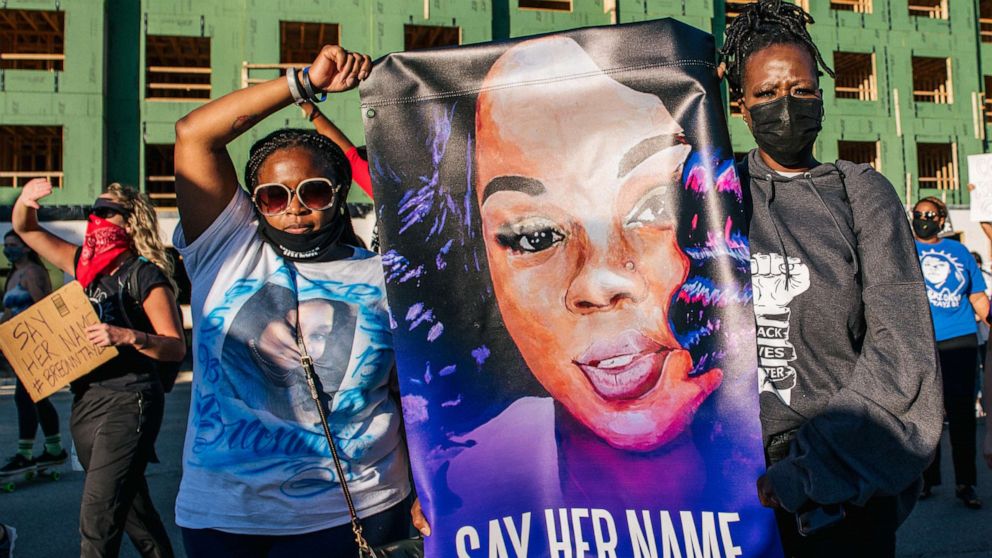
The killing of Breonna Taylor became one of the most recognizable names in the movement against police brutality and racial injustice. Her name was chanted alongside George Floyd’s at protests across the country and around the world. People demanded answers: How could a young woman be killed in her own home by police? Why were officers executing a no-knock warrant in plainclothes in the middle of the night? And most importantly, who would be held accountable? The Louisville Metro Police Department faced intense scrutiny, and eventually, the city reached a $12 million settlement with Taylor’s family in a wrongful death lawsuit. But money, as Taylor’s family and supporters have repeatedly stated, was never the goal—justice was. When the Justice Department announced federal charges in 2022, it seemed like that justice might finally be within reach. The charges against Jaynes and Meany specifically addressed what many saw as the root cause of the tragedy: a search warrant based on information that prosecutors alleged was false. If officers had been truthful in their warrant application, the argument went, they never would have been at Taylor’s door that night, and she would still be alive. Now, with the DOJ seeking to drop those charges, questions about accountability are once again front and center.
Limited Consequences and One Conviction
Of all the officers involved in the raid and its planning, only one has faced serious consequences. Brett Hankison, another former Louisville officer, was convicted of a civil rights offense related to Taylor’s death and sentenced to just two years and nine months in prison. His conviction wasn’t for killing Taylor directly, but for endangering her neighbors by firing bullets that traveled into adjacent apartments. Even that conviction came after a previous trial ended in a mistrial, showing just how difficult it has been to secure accountability in this case. The relatively light sentence and the fact that he was the only officer to face conviction has been a source of frustration for many who have followed the case. Now, with the DOJ moving to dismiss charges against Jaynes and Meany, that frustration is likely to intensify. The department has stated that it notified Taylor’s family of its decision to seek dismissal of the charges, though it’s hard to imagine that notification provided much comfort. For a family that has spent five years seeking answers and accountability for their daughter’s death, this latest development represents another painful setback in their quest for justice.
What Comes Next and the Broader Implications
While the Justice Department has filed its motion to dismiss the charges, the final decision rests with a federal judge who has not yet issued a ruling. It’s possible, though perhaps unlikely given the previous reductions in charges, that the judge could deny the DOJ’s request and allow some or all of the charges to proceed. However, if the motion is granted, it will mark a disappointing end to the federal government’s attempt to hold anyone accountable for the circumstances that led to Breonna Taylor’s death. The broader implications of this case extend far beyond Louisville and beyond Breonna Taylor’s tragic story. This case has become emblematic of the challenges in holding police officers accountable when their actions result in the death of civilians, particularly Black civilians. Despite widespread protests, national attention, and clear public demand for reform and accountability, the criminal justice system has struggled to deliver meaningful consequences for the officers involved. The DOJ’s decision to seek dismissal of charges raises troubling questions about whether justice is truly possible in cases of police misconduct, and what recourse families have when they lose loved ones in police encounters. As communities across America continue to grapple with questions of police reform, qualified immunity, and accountability, the Breonna Taylor case stands as a stark reminder of how difficult it remains to achieve justice in the American legal system. Her name will not be forgotten, but whether her death will lead to the systemic changes that so many have called for remains an open and troubling question. For now, her family and supporters are left once again to wonder if justice will ever truly be served.