
Major Earthquake Strikes Northern Japan, Tsunami Warning Issued
Powerful Tremor Shakes Coastal Region
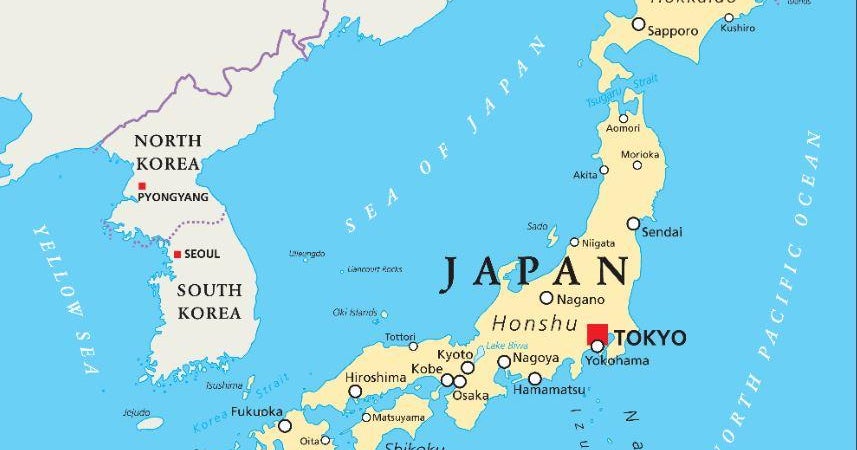
On Monday afternoon, residents of northern Japan experienced a frightening reminder of the region’s seismic vulnerability when a significant earthquake rattled the coast. The tremor, which struck at approximately 4:53 p.m. local time (2:53 a.m. Eastern Time on Sunday), measured a preliminary magnitude of 7.4 according to Japan’s Meteorological Agency. The epicenter was located off the Sanriku coast in northern Japan, with the quake originating at a relatively shallow depth of about 6 miles below the ocean’s surface. This shallow depth is particularly concerning because earthquakes that occur closer to the surface tend to cause more intense shaking and have a greater potential to generate tsunamis when they happen beneath the ocean.
Immediate Tsunami Threat Prompts Urgent Warnings
Following the powerful earthquake, Japanese authorities wasted no time in issuing tsunami warnings for the affected coastal areas. Japan’s public broadcaster NHK immediately began broadcasting urgent alerts, warning residents that tsunami waves reaching heights of up to 10 feet could strike the coastline within a short period. For people living in coastal communities, these warnings triggered well-rehearsed evacuation procedures that have been refined and improved since the devastating 2011 earthquake and tsunami that claimed thousands of lives. The speed and efficiency of Japan’s early warning system demonstrates the country’s commitment to protecting its citizens from natural disasters. The Japan Meteorological Agency continuously monitors seismic activity across the archipelago, operating one of the world’s most sophisticated earthquake detection and warning networks.
Japan’s Ongoing Battle with Seismic Activity
Japan sits atop one of the most geologically active regions on Earth, positioned along the Pacific Ring of Fire where several tectonic plates meet and interact. This geographical reality means that earthquakes are a constant presence in Japanese life, with thousands of tremors occurring annually, though most are too small for people to feel. The country has experienced numerous devastating earthquakes throughout its history, with the 2011 Great East Japan Earthquake serving as the most recent major catastrophe. That magnitude 9.0 earthquake triggered a massive tsunami that reached heights of over 130 feet in some locations, causing the Fukushima nuclear disaster and resulting in nearly 20,000 deaths. The trauma of that event remains fresh in the national consciousness and has shaped how Japan prepares for and responds to seismic threats. Every earthquake, particularly those occurring offshore with tsunami potential, is treated with the utmost seriousness by both authorities and citizens who understand the very real dangers these natural phenomena pose.
Community Preparedness and Response Systems
The Japanese people have developed a remarkable culture of disaster preparedness that sets an example for earthquake-prone regions worldwide. From a young age, children participate in regular earthquake drills at school, learning to take cover under desks and evacuate buildings in an orderly fashion. Buildings throughout Japan are constructed according to strict seismic codes that require structures to withstand significant shaking, with engineers constantly incorporating new technologies and lessons learned from previous earthquakes. Coastal communities maintain clearly marked evacuation routes leading to higher ground, with signs posted throughout towns indicating the direction to safety and the elevation of various locations. Many households keep emergency supply kits stocked with food, water, first aid supplies, flashlights, and other essentials that would be needed if infrastructure is damaged. Public spaces often feature emergency supply lockers containing blankets, medical supplies, and other resources. This comprehensive approach to disaster readiness means that when earthquakes strike and warnings are issued, people generally know exactly what to do and where to go, potentially saving countless lives.
The Science Behind Earthquake Prediction and Warning
While scientists cannot yet predict exactly when and where earthquakes will occur, Japan’s sophisticated monitoring system can detect the initial waves from an earthquake and issue warnings before the more destructive waves arrive. The system works by detecting the faster-moving primary waves (P-waves) that cause little damage, then sending out alerts before the slower but more destructive secondary waves (S-waves) reach populated areas. This can provide anywhere from a few seconds to perhaps a minute or two of warning time—not much, but often enough for people to take protective action, for trains to automatically brake, and for sensitive equipment to shut down safely. When an earthquake occurs beneath the ocean, as this one did, the potential for tsunami generation becomes a critical concern. The depth, magnitude, and type of movement along the fault line all factor into whether a tsunami will form and how large it might be. Japan’s meteorological agency uses complex computer models that process data from ocean buoys, coastal sensors, and seismic monitoring stations to rapidly assess tsunami risk and issue appropriate warnings to coastal communities.
Looking Forward: Living with Seismic Reality
As the immediate crisis unfolds and coastal residents respond to evacuation orders, this earthquake serves as another reminder of the challenges facing nations in seismically active zones. For Japan, the question has never been whether another major earthquake will strike, but when. This reality shapes virtually every aspect of Japanese society, from architecture and urban planning to education and public policy. The country continues to invest heavily in earthquake research, early warning systems, and public education programs aimed at minimizing casualties and damage when disasters strike. International observers often look to Japan as a model for disaster preparedness, studying its building codes, emergency response protocols, and public communication systems. While the full extent of damage from Monday’s earthquake and any resulting tsunami will take time to assess, the swift issuance of warnings and the population’s practiced response demonstrate the effectiveness of Japan’s multi-layered approach to seismic safety. As climate change potentially influences seismic activity patterns and as Japan’s population ages, presenting new evacuation challenges, the nation continues adapting its strategies to protect its citizens. Each earthquake provides new data for scientists to study and new lessons for emergency planners to incorporate into future preparations, contributing to an ever-evolving understanding of these powerful natural phenomena and the best ways to coexist with the dynamic planet we all call home.