


Millions of Student Loan Borrowers Face Uncertain Future as SAVE Plan Ends
A New Reality for Over 7 Million Borrowers
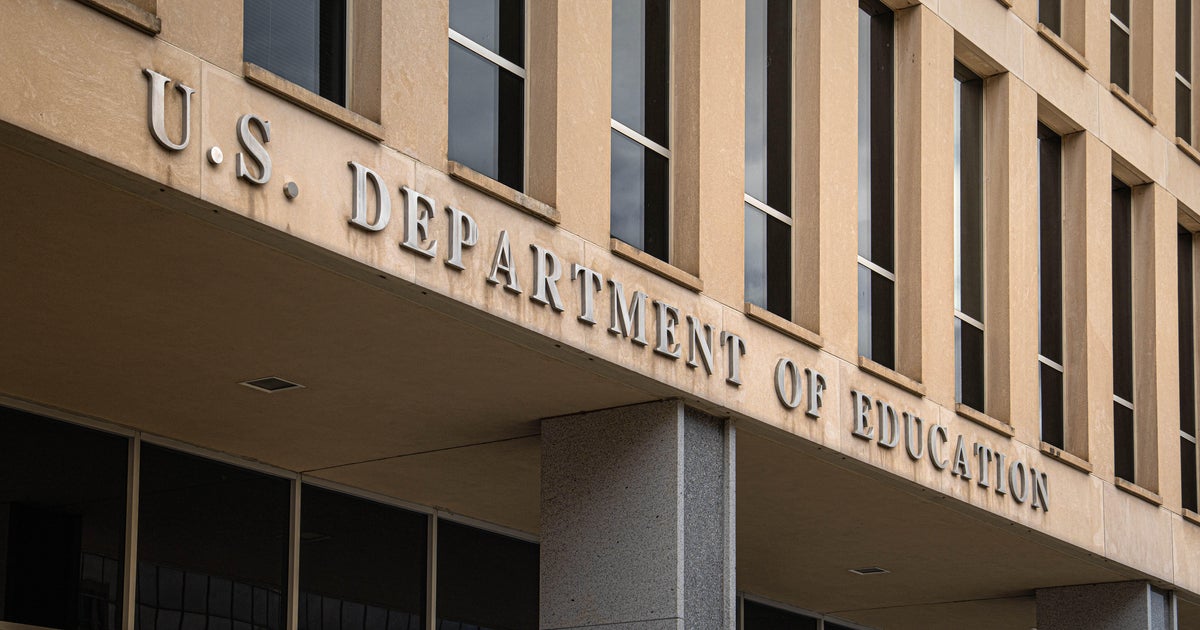
The landscape of student loan repayment is undergoing a dramatic shift that will affect more than 7 million Americans who had enrolled in the now-defunct SAVE repayment plan. Starting this Friday, the Education Department will begin sending notices to these borrowers, giving them 90 days to choose a new path for repaying their student debt. This development comes after a federal court struck down the Biden-era SAVE plan earlier this month, ending what had been a period of forbearance for these borrowers since July 2024. The reality facing most of these individuals is stark: they’ll need to prepare for significantly higher monthly payments under the available alternative plans. The Trump administration’s Education Department has been clear in its stance, calling the SAVE plan “illegal” and criticizing it for offering what they termed “the false promise of student loan forgiveness and artificially low monthly payments.” Under Secretary of Education Nicholas Kent emphasized a straightforward policy approach: “if you take out a loan, you must pay it back.” This marks a definitive end to what the current administration views as an unsustainable bailout program, though it leaves millions of borrowers scrambling to adjust their financial plans and budgets to accommodate this sudden change in their repayment obligations.
The Human Cost: Real Stories of Struggle
The impact of this policy shift extends far beyond statistics and policy debates—it’s fundamentally changing the lives of real people trying to build their futures. Alexis Arredondo’s story illustrates the difficult position many borrowers now find themselves in. After graduating from UCLA in 2024 with a degree in microbiology, Arredondo faced a challenging job market and couldn’t secure the full-time research or public health position he’d hoped for. As a first-generation college student carrying approximately $40,000 in student debt, he had enrolled in the SAVE plan upon graduation, viewing it as a manageable pathway to repaying his loans while working part-time and freelancing for nonprofits in Southern California. Now, Arredondo faces an impossible choice that many borrowers share: either commit to higher monthly payments that strain his already tight budget, or opt for a longer repayment period that will ultimately cost him significantly more in accumulated interest over time. “It’s very difficult knowing where I’m going to be able to get this money from,” he told reporters, capturing the anxiety and uncertainty that millions of borrowers are experiencing as they receive these notices and contemplate their limited options.
Understanding the SAVE Plan and What Made It Different
The SAVE plan represented one of several ambitious initiatives launched by former President Joe Biden’s administration aimed at addressing America’s growing student debt crisis. What set the SAVE plan apart from other repayment options was its particularly borrower-friendly terms, which provided significant relief to those struggling with student loan payments. Under this plan, monthly payments were reduced to as little as 5% of a borrower’s discretionary income—a calculation that considered their earnings above essential living expenses. Perhaps even more attractive was the plan’s forgiveness component: borrowers who originally borrowed $12,000 or less could have their remaining debt forgiven after making just 10 years of payments, providing a realistic endpoint for those with smaller loan balances. While legal challenges to the plan wound through the court system, enrolled borrowers enjoyed a period of forbearance where they weren’t required to make payments at all. However, this reprieve came with a hidden cost—following a court ruling last summer that blocked the plan’s implementation, interest began accruing on these debt balances again. This means that some borrowers will discover their total debt has actually increased during this period of uncertainty, adding insult to injury as they’re now forced to transition to less favorable repayment terms.
The Emotional Toll of Policy Whiplash
Beyond the financial calculations, borrowers are experiencing what advocates call “whiplash” from the constant policy changes and legal battles surrounding student loan repayment. Mike Pierce, executive director of the Student Borrower Protection Center, captured this frustration when he noted that borrowers have repeatedly been promised solutions to what both Democratic and Republican officials have acknowledged as a broken student loan system and a genuine crisis. “Over and over again, education officials of both parties made promises about fixing the broken student loan system and called student debt a crisis,” Pierce explained. “And yet today, these same borrowers are being told it’s time to pay and you have no good options.” This sentiment reflects the exhaustion many borrowers feel after years of uncertainty, shifting policies, and legal challenges that have left them unable to plan their financial futures with any confidence. The psychological burden of carrying student debt is already significant, but the added stress of not knowing what rules will apply from one administration to the next makes it nearly impossible for borrowers to make informed decisions about major life choices—whether to buy a home, start a family, change careers, or pursue further education. This cycle of hope and disappointment has real consequences for mental health and life planning that extend far beyond the monthly payment amount.
New Options and Continuing Challenges
As the SAVE plan officially ends, the Education Department is introducing the Repayment Assistance Plan as one alternative option for borrowers beginning July 1st. This new income-driven repayment plan will calculate monthly payments based on a borrower’s income and number of dependents, with fixed repayment terms ranging from 10 to 25 years depending on the borrower’s circumstances. However, advocacy groups and policy experts warn that this and other available options still leave borrowers in a difficult position, particularly given other recent changes to the student loan system. Last year, the Trump administration and Congress implemented several modifications to student loan repayment that will phase in over the next two years, including the elimination of deferment options for unemployment or economic hardship on new loans. Alexander Lundrigan, policy and advocacy manager at Young Invincibles, an advocacy group focused on young adults’ economic challenges, criticized these changes: “You’re talking about a pressing current affordability crisis, and you took away the most affordable plan option.” The timing couldn’t be worse for many borrowers who are already struggling with high costs of living, challenging job markets, and economic uncertainty. The transition process will be rolled out in stages, with loan servicers contacting borrowers in groups every two weeks, starting with those who had been enrolled in the SAVE plan the longest receiving notices first.
Looking Ahead: What This Means for Student Debt in America
The dismantling of the SAVE plan represents more than just a policy reversal—it signals a fundamental shift in how the federal government approaches student debt and the responsibility for higher education costs. The current administration’s firm stance that borrowed money must simply be repaid, regardless of economic circumstances or the borrower’s ability to pay, marks a departure from efforts to address what many economists and policy experts view as a structural problem in how Americans finance higher education. For the more than 7 million borrowers directly affected, the immediate future means difficult decisions and likely financial strain as they navigate the transition to new repayment plans with higher monthly obligations or longer payoff timelines. Beyond these individuals, this policy change sends a message to current and prospective students about what kind of support they can expect after graduation, potentially influencing decisions about whether to pursue higher education at all or how much debt to take on. As these borrowers receive their notices over the coming weeks and select new repayment plans, they’ll be resuming payments as soon as this summer, ending the forbearance period that provided temporary relief but no lasting solution. The broader question remains: how will America address the growing student debt burden that affects millions of its citizens and increasingly shapes economic opportunity and mobility across generations? For now, borrowers like Alexis Arredondo are left to navigate an uncertain system largely on their own, making the best choices they can from limited options while trying to build the futures they took on debt to pursue.