
Turkey Reels from Unprecedented School Shooting Tragedy
A Nation in Shock: Two School Attacks in Two Days
In an alarming and heartbreaking development that has sent shockwaves through Turkey, the nation experienced two devastating school shootings within a span of just 24 hours—a type of violence virtually unheard of in the country until this week. The more recent and deadlier attack occurred Wednesday when a 13-year-old student arrived at his school in Kahramanmaras province with a backpack full of weapons and unleashed random gunfire in two separate classrooms. The young shooter killed four people—a teacher and three students—and wounded 20 others before the horrifying incident came to an end with his own death. This attack followed closely on the heels of another school shooting that took place just one day earlier in Sanliurfa province, where an 18-year-old former student injured 16 people at his old vocational high school before taking his own life during a confrontation with police. The back-to-back tragedies have left Turkish society grappling with questions about how such violence could suddenly erupt in their schools and what factors might have contributed to these unprecedented attacks in a country known for its strict gun control laws.
The Kahramanmaras Attack: A Classroom Nightmare
The details that have emerged from the Wednesday shooting paint a picture of chaos and terror that unfolded rapidly in what should have been a safe learning environment. According to Kahramanmaras province governor Mukerrem Unluer, the eighth-grade student—approximately 13 years old—came to school carrying an arsenal that authorities believe belonged to his father, a former police officer. The young attacker was armed with an astonishing five guns and seven magazines, all concealed in his backpack. Once inside the school building, he methodically entered two different classrooms and opened fire indiscriminately on teachers and fellow students. Witnesses reported hearing intense gunfire that shattered the morning routine and sent the school into panic. Among the wounded, four individuals were reported to be in serious condition and required immediate surgery. The attacker himself died from a gunshot wound, though Governor Unluer noted that investigators were still working to determine whether this was an intentional suicide or if the fatal shot occurred accidentally during the chaos of the attack. The ambiguity surrounding the shooter’s death adds another layer of complexity to an already tragic situation as investigators work to piece together exactly what happened and in what sequence.
The Previous Day’s Violence: A Warning Unheeded
The Kahramanmaras shooting came just one day after another devastating attack at a vocational high school in the Siverek district of Sanliurfa province, creating an disturbing pattern that has left Turkish officials and citizens searching for answers. In that Tuesday incident, an 18-year-old man returned to his former high school armed with a shotgun and opened fire randomly throughout the building. The attack wounded 16 people, including ten students who were simply trying to attend their classes. According to Governor Hasan Sildak, the attacker eventually found himself cornered by responding police officers, at which point he turned the shotgun on himself and ended his own life. Investigators looking into this first attack found themselves puzzled by the lack of clear motivation—the young man had no criminal record and no obvious red flags that might have predicted such violent behavior. The timing of these two attacks, occurring within such a short span, has raised troubling questions about whether there might be some connection between them, whether one might have inspired the other, or whether they represent isolated incidents that coincidentally occurred in rapid succession. Regardless of any potential connection, the dual tragedies have forced Turkey to confront a type of violence that the nation had largely been spared from experiencing.
The Immediate Response: Parents, Police, and Investigations
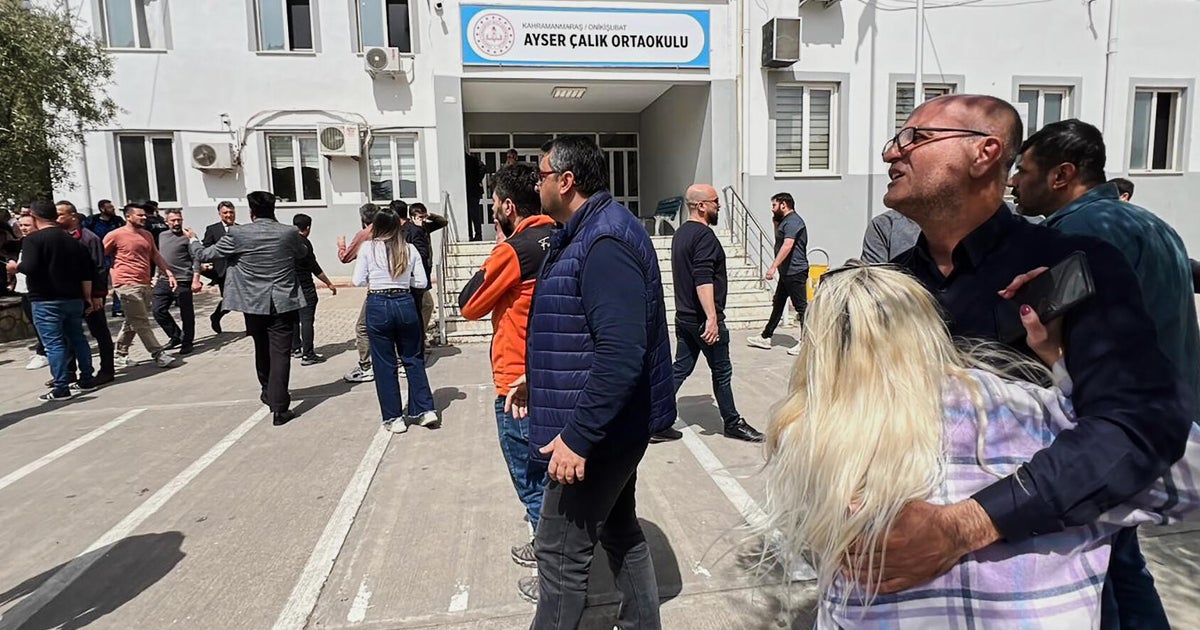
The scenes outside the Kahramanmaras school in the aftermath of the shooting reflected the anguish and fear that gripped the community. Footage released by the IHA private news agency showed distraught parents rushing to the school, their faces streaked with tears as they desperately sought information about their children’s safety. Ambulances lined the streets outside the building, and a person—their body and face covered—was shown being loaded into one of the emergency vehicles. Police immediately increased security around the school and established a perimeter as investigators began their work. Justice Minister Akin Gurlek announced that prosecutors had launched an immediate investigation into the attack, working to understand not only the sequence of events but also how a 13-year-old student managed to bring such a substantial weapons cache onto school grounds undetected. The response to Tuesday’s attack in Sanliurfa province also included swift action from authorities—police detained one suspect in connection with that incident, though details about this person’s potential involvement remain unclear. Additionally, four officials were suspended from duty as investigators examined whether there had been any negligence or security failures that might have allowed the attack to occur. The Sanliurfa school was ordered closed for four days to allow the community time to process the tragedy and to give investigators space to conduct their work.
A Nation Questions Its Safety: Gun Laws and Access
One of the most perplexing aspects of these tragic incidents is that they occurred in a country with notably strict gun control legislation—laws that many believed provided substantial protection against exactly this type of violence. Turkey requires comprehensive licensing and registration for firearms, along with both mental health evaluations and criminal background checks for anyone seeking to legally own a gun. The penalties for illegal possession are severe, designed to discourage unauthorized access to weapons. Yet despite this regulatory framework, both attackers managed to obtain firearms—the 13-year-old apparently taking weapons from his father, the former police officer, and the 18-year-old obtaining a shotgun through means still under investigation. These incidents have prompted urgent questions about how weapons can be better secured in homes, particularly in households where firearms are present due to current or former law enforcement or military service. There are also emerging discussions about whether additional safeguards are needed to prevent minors from accessing weapons even in homes where they are legally and properly registered. The fact that school shootings had been extraordinarily rare in Turkey until this week suggests that the existing legal framework had been largely effective, but these back-to-back tragedies indicate that gaps in the system—whether in enforcement, storage requirements, or family education about weapon security—may need to be addressed.
Leadership Responds: Accountability and Prevention
Turkish President Recep Tayyip Erdogan addressed the nation’s shock and grief during remarks to the ruling AKP party in parliament, acknowledging the unprecedented nature of these attacks and promising a thorough response. He stated firmly that anyone found to have been negligent or at fault in connection with these school shootings “will certainly be held accountable,” signaling that the government views these incidents with the utmost seriousness and is committed to determining whether preventable failures occurred. This promise of accountability extends beyond the immediate attackers to potentially include family members who may have failed to properly secure weapons, school officials who might have missed warning signs, or law enforcement who may have overlooked concerning behavior. As Turkey processes these tragedies, the nation faces difficult questions about how to prevent similar incidents in the future. The international community has watched as other countries, particularly the United States, have struggled with recurring school shootings, and Turkey now finds itself confronting issues that many Turks might have previously considered primarily foreign concerns. The coming weeks and months will likely bring intense national discussion about school security measures, mental health resources for young people, warning signs that might predict violent behavior, and how communities can create environments where troubled youth seek help rather than turning to violence. For now, the focus remains on the victims and their families—the teacher and students whose lives were cut short, the 36 people wounded across both attacks, and the countless students, parents, and community members traumatized by violence that shattered their sense of security in places that should be sanctuaries of learning and growth.