
Energy Secretary Assures Americans: Price Spike Will Be Brief
Temporary Disruption, Not a Long-Term Crisis
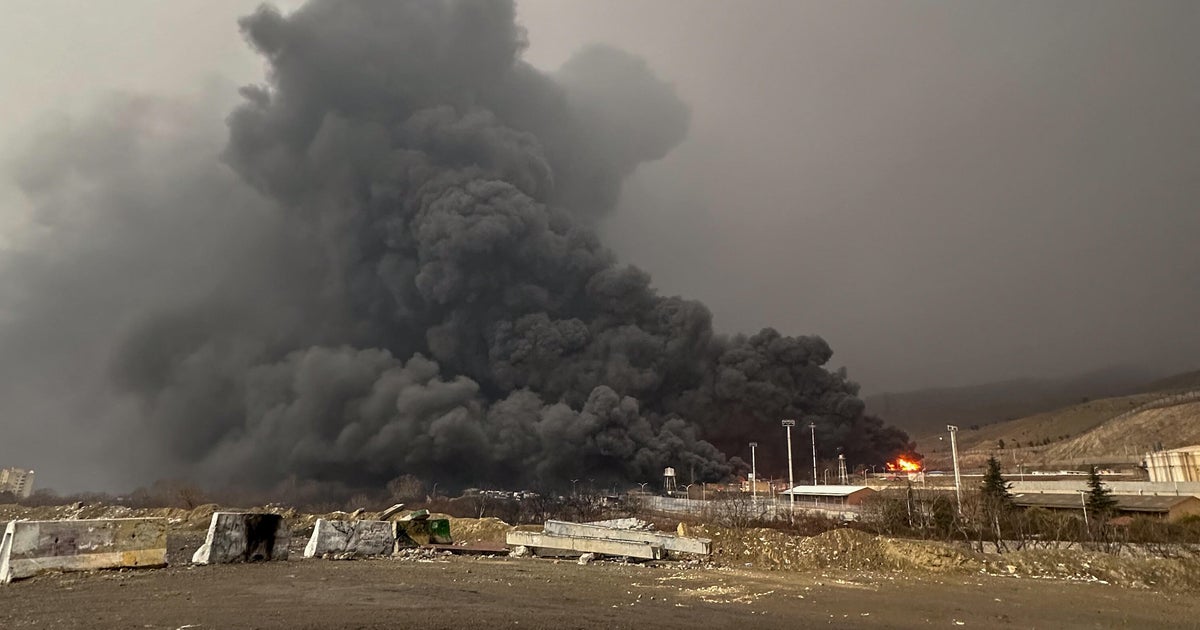
In the midst of growing concerns about rising energy costs, Energy Secretary Chris Wright stepped forward this Sunday with a message of reassurance for American consumers and businesses. Speaking candidly on CBS’s “Face the Nation with Margaret Brennan,” Wright acknowledged that the nation is experiencing what he termed a “period of elevated energy prices,” but he was quick to emphasize that this situation is temporary and won’t last long. His comments came as tensions in the Middle East entered their second week, with ongoing military operations involving Iran creating uncertainty in global energy markets. Wright’s primary objective was clear: to calm fears and prevent panic about a potential long-term energy crisis that could devastate household budgets and shake the broader economy.
Abundant Supply Means Prices Should Stabilize
Secretary Wright painted a picture of global energy markets that contradicts the doomsday scenarios some have been predicting. According to his assessment, oil and gas prices “shouldn’t go much higher than they are here because the world is very well supplied with oil.” This is a crucial point that many anxious consumers need to understand. Despite what seems like a dangerous situation in one of the world’s most important oil-producing regions, the global supply of energy remains robust. Wright emphasized that “there is no energy shortage at all,” pointing to the United States’ position as a major exporter of natural gas as evidence of the strength and resilience of energy markets. While he acknowledged that some refineries in Europe and Asia are experiencing “interruptions in their crude flows” due to the conflict, he stressed that these disruptions are occurring against a backdrop of “massive energy stores around the world.” In other words, while there may be some hiccups in the supply chain, the world isn’t running out of energy—not by a long shot.
Don’t Let Fear Drive the Market
One of Wright’s most important messages was directed at market psychology and public perception. “What you want is emotional reactions and fear that this is a long-term war,” Wright explained, essentially warning against allowing panic to dictate market behavior. He firmly stated, “This is not a long-term war; it’s a temporary movement.” This distinction matters enormously because energy markets are notoriously sensitive to sentiment and speculation. When traders and consumers believe that a crisis will be prolonged, their behavior—hoarding, panic buying, speculative trading—can actually create the very shortages and price spikes they fear. Wright’s comments suggest that the administration is working hard to manage expectations and prevent a self-fulfilling prophecy of sustained high prices. By framing the current military action as a limited operation rather than an extended conflict, he’s attempting to keep both markets and consumers calm during what he views as a brief period of disruption.
America’s Strategic Reserve Stands Ready
Wright also addressed one of the key tools the United States has at its disposal to manage energy market disruptions: the Strategic Petroleum Reserve. He revealed that the U.S. currently has 400 million gallons of oil in this emergency stockpile and that “we’re more than happy to use that if it’s needed.” This reserve exists precisely for moments like these—when global events threaten to disrupt energy supplies and send prices soaring. However, Wright added an important caveat about the practical challenges of deploying this resource. The issue isn’t simply releasing oil from storage; it’s a “logistics issue” because the refineries that actually need the oil right now are located in Europe and Asia, not in the United States. This highlights the interconnected nature of global energy markets and the complex logistical considerations that go into managing supply disruptions. It’s not always as simple as opening the taps and flooding the market with oil—the right oil needs to get to the right refineries at the right time.
A Strategic Gamble for Long-Term Energy Security
Perhaps the most revealing part of Wright’s comments came when he outlined the administration’s broader strategic vision. According to the Energy Secretary, the current actions—and the temporary price increases they’re causing—are worth it because they’re paving the way “for an era of even lower energy prices.” How? By fundamentally changing the power dynamics in the Middle East. Wright argued that by neutralizing what he described as “a strong, powerful Iran that can threaten their neighbors, that can threaten the United States of America and that was not far away from a nuclear bomb,” the administration is creating conditions for greater stability and security in one of the world’s most important energy-producing regions. The logic is straightforward: a Middle East without an aggressive, nuclear-armed Iran threatening its neighbors and disrupting oil flows will be a more stable region, and stability in energy-producing regions generally translates to lower and more predictable energy prices. Wright is essentially asking Americans to accept short-term pain at the pump in exchange for what he believes will be long-term gains in both energy security and affordability. It’s a gamble on the idea that removing a major source of instability from the equation will benefit everyone in the long run.
Presidential Support and the Bigger Picture
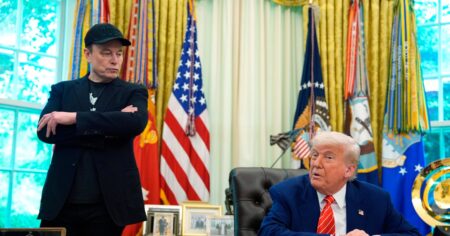
President Trump himself weighed in on the controversy Sunday, taking to his Truth Social platform to reinforce his Energy Secretary’s message. In characteristic style, Trump framed the issue in stark terms: “Short term oil prices, which will drop rapidly when the destruction of the Iran nuclear threat is over, is a very small price to pay for USA and World, Safety and Peace.” He concluded with typical Trump flair: “ONLY FOOLS WOULD THINK DIFFERENTLY!” The President’s comments underscore that this isn’t just energy policy—it’s a central part of a broader foreign policy and national security strategy. The administration is clearly willing to accept temporary economic discomfort in pursuit of what it views as critical strategic objectives. Whether this approach proves successful will depend on several factors: whether the military operations actually conclude quickly as promised, whether energy prices do indeed come down rapidly afterward, and whether the geopolitical changes in the Middle East ultimately lead to the greater stability the administration is predicting. For now, American consumers find themselves caught between the immediate reality of higher prices at the pump and assurances from their leaders that this pain is both temporary and necessary. Only time will tell whether Secretary Wright’s confidence in a brief price spike followed by an era of lower energy costs proves accurate, or whether the situation becomes more complicated than the administration currently anticipates. What’s clear is that the government is asking for patience and trust during a period of genuine uncertainty in global energy markets.