


Bank of England Holds Rates But Signals Spring Cut is Coming
A Decision That Says More Than It Does
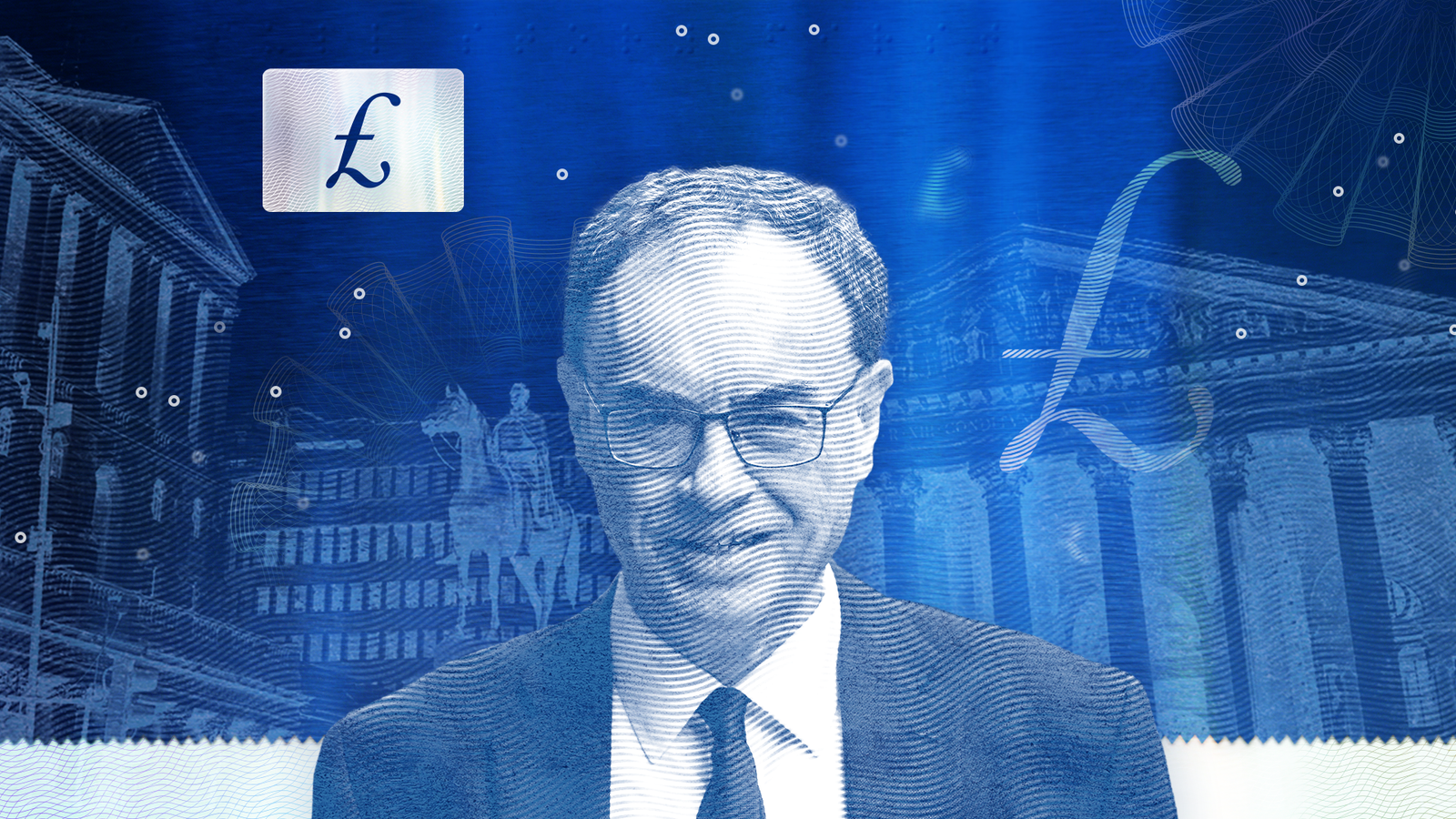
The Bank of England’s latest interest rate announcement might have kept things technically unchanged, but anyone reading between the lines could see a clear message emerging: change is coming, and soon. While the headline decision to maintain the base rate at 3.75% surprised nobody in financial markets, what caught attention was just how close the vote actually was and how openly Governor Andrew Bailey talked about what comes next. The monetary policy committee split 5-4 in favor of holding steady – a much tighter margin than experts had predicted – suggesting that the central bank is closer to easing up on borrowing costs than many realized. Bailey himself removed any ambiguity about the bank’s intentions, stating plainly that further rate cuts are now “likely” in the near future. This represents a significant shift in tone from an institution that typically wraps its forward guidance in layers of careful language and qualifiers.
From Cautious to Confident: A Shift in Messaging
Since the Bank first began lowering interest rates back in August 2024, its mantra has been consistency itself: rates would come down “slowly and carefully.” This cautious approach made sense in an uncertain economic environment where inflation remained stubborn and unpredictable. But something has clearly changed in the Bank’s assessment of where the economy stands and where it’s heading. The language now suggests we’re no longer in a phase of questioning whether rates will continue to fall, but rather simply when that will happen. To use the Bank’s own metaphor, while this latest decision keeps a toe on the monetary policy brake, that foot is plainly about to lift entirely. This isn’t the hesitant, wait-and-see approach of recent months; it’s an institution preparing markets and borrowers for a more definitive move toward looser monetary conditions. The shift from “if” to “when” might seem subtle, but in the world of central banking communication, it’s enormous.
Inflation Finally Heading in the Right Direction
The primary reason for this newfound confidence lies in the Bank’s dramatically improved inflation forecast. Currently sitting at 3.4% – still well above the Bank’s 2% target – inflation is now expected to fall all the way to that target level by spring. That’s a rapid descent by any measure, and it fundamentally changes the calculation for policymakers who have spent the past few years fighting to bring price increases under control. When inflation was running hot, keeping interest rates elevated made sense as a tool to cool down the economy and bring prices back to earth. But with inflation now on a clear downward trajectory toward the target, the justification for maintaining restrictive monetary policy weakens considerably. The Bank can start to shift its focus from fighting yesterday’s inflation battle to supporting an economy that’s showing signs of struggling under the weight of those higher borrowing costs.
An Economy Running on Empty
Beyond the inflation picture, the Bank’s assessment of overall economic health has taken a decidedly pessimistic turn, providing additional justification for looser monetary policy ahead. The forecast for GDP growth this year has been downgraded to just 0.9% – hardly the robust expansion anyone would hope for in a healthy economy. That’s sluggish by any standard, suggesting the British economy is barely crawling forward rather than confidently striding ahead. Meanwhile, unemployment expectations have risen to 5.3%, indicating a labor market that’s cooling off considerably. These aren’t the conditions that typically call for keeping the monetary brakes firmly applied. Instead, they suggest an economy that could use some support, some stimulus to get things moving again. Higher unemployment means more families struggling financially, less consumer spending flowing through the economy, and businesses facing weaker demand for their products and services. It’s a picture of an economy that’s been slowed down quite successfully by previous rate increases – perhaps a bit too successfully.
The Budget’s Mixed Blessing
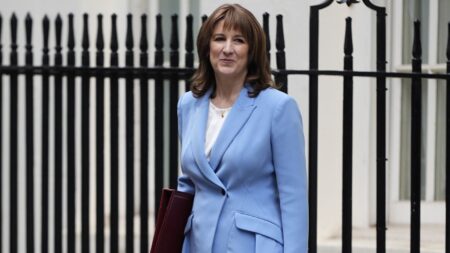
Chancellor Rachel Reeves will undoubtedly take some satisfaction from the Bank’s analysis crediting her recent budget with contributing to falling inflation. The measures she introduced – cuts to energy bills, reductions in rail fares, and lower fuel duty – are estimated to knock about 0.5 percentage points off the inflation rate. That’s a meaningful contribution and demonstrates how fiscal policy and monetary policy can work hand in hand to achieve economic objectives. Lower energy and transport costs directly reduce the cost of living for millions of households, providing immediate relief while also dampening overall price pressures in the economy. However, not everything in the Bank’s assessment will make for comfortable reading at the Treasury. While some of Reeves’s policies are helping to bring inflation down, others appear to be weighing on economic growth. Specifically, the Bank has expressed concern that increases to employer national insurance contributions and the minimum wage are dampening labor demand. Businesses facing higher costs for employing people may be pulling back on hiring, contributing to that rise in expected unemployment and the overall weakness in economic activity and household spending.
The Governor’s Deciding Voice
What makes the current situation particularly interesting is the pivotal role being played by Governor Andrew Bailey himself. For the second meeting in a row, he has cast the decisive vote, finding himself in the middle of two evenly matched blocks of monetary policy committee members. Four members apparently favor more aggressive action to lower rates, while four others prefer a more cautious approach to holding them steady for now. Bailey’s position as the tiebreaker means his personal assessment of the economic risks carries enormous weight in determining when the Bank makes its next move. His willingness to signal that further cuts are “likely” suggests he’s increasingly persuaded by the arguments for loosening policy sooner rather than later. The key question is how he weighs the competing risks: the risk of cutting too soon and allowing inflation to re-accelerate versus the risk of waiting too long and allowing the economic slowdown to deepen into something worse. With inflation falling rapidly toward target and growth disappointingly weak, the balance of those risks appears to be shifting. The great inflation scare of recent years is fading into memory, while the immediate concern increasingly centers on an economy that needs support rather than restraint. That’s the calculation that seems to be pushing Bailey and his colleagues toward action, most likely when spring arrives and that inflation forecast hopefully materializes as predicted.