


UK Defence Secretary Holds Crisis Talks Over Military Helicopter Factory and Thousands of Jobs
Urgent Meeting Addresses Future of Somerset Manufacturing Plant
In a development that has sent ripples of concern through Britain’s defence industry, John Healey, the UK’s defence secretary, recently engaged in urgent discussions with Roberto Cingolani, the chief executive of Leonardo, the prominent Italian defence contractor. The high-stakes meeting, which took place on Friday, centered around growing anxieties about the fate of thousands of jobs at a crucial military helicopter manufacturing facility located in Yeovil, Somerset. The talks come at a critical juncture as the future of this strategic defence asset hangs in the balance, with the outcome of an ongoing procurement process potentially determining whether this cornerstone of British military manufacturing will continue operations or face an uncertain future. The timing of these discussions underscores the gravity of the situation, with both government officials and defence industry leaders recognizing that decisions made in the coming weeks could have far-reaching implications not just for the workers directly employed at the facility, but for the broader UK defence manufacturing sector and the country’s military capabilities for years to come.
The High-Stakes Contract Battle
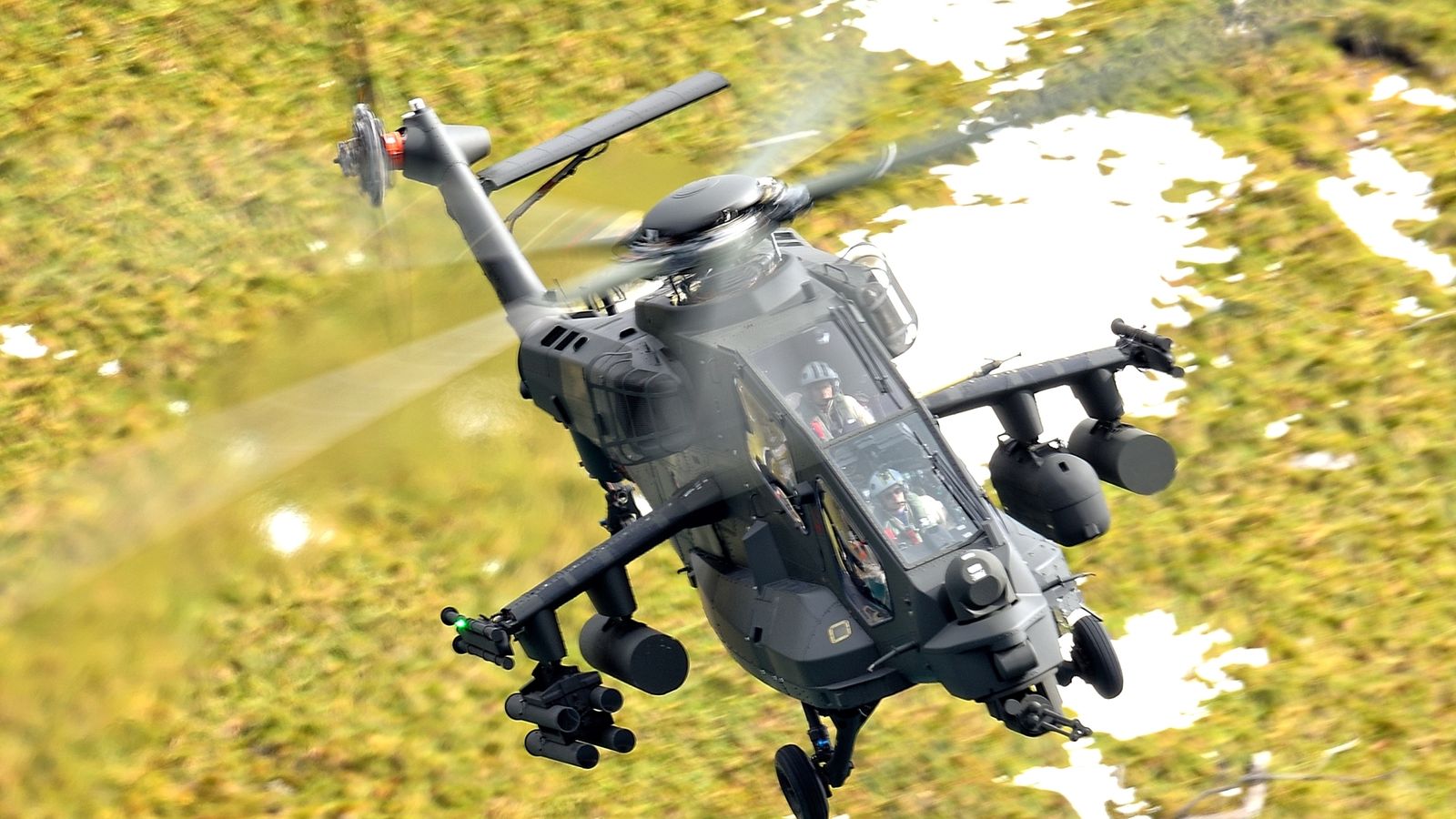
At the heart of this unfolding situation lies a substantial £1 billion Ministry of Defence contract for the construction of what are known as medium-lift military helicopters – aircraft that serve as workhorses for military operations, capable of transporting troops, equipment, and supplies in various operational environments. Leonardo, the Italian defence giant that operates the Yeovil facility, is currently competing for this lucrative and strategically important contract. However, despite the government’s previously stated intention to finalize the deal before the end of last year, the decision has been delayed, leaving both the company and its workforce in a state of uncertainty. This procurement process represents more than just a commercial transaction; it embodies critical questions about Britain’s defence industrial strategy, its commitment to maintaining sovereign manufacturing capabilities, and the economic future of an entire region. The medium-lift helicopter category fills a crucial gap in military aviation, providing capabilities that are neither as heavy as large transport helicopters nor as light as reconnaissance aircraft, making them indispensable for modern military operations across a wide range of scenarios.
Thousands of Jobs Hanging in the Balance
The human dimension of this situation cannot be overstated, with the livelihoods of thousands of workers and their families potentially at risk. The Yeovil plant directly employs approximately 3,000 people, representing skilled manufacturing jobs that have been a cornerstone of the local economy for generations. These aren’t just statistics on a spreadsheet; they represent engineers, technicians, assembly workers, and support staff who have built careers and lives around this facility. However, the impact extends far beyond those directly employed at the site itself. According to industry estimates, an additional 9,000 jobs throughout the supply chain depend on the continued operation of the Yeovil facility. These supply chain positions span across numerous other companies and regions, creating a complex web of economic interdependence that includes suppliers of components, materials, specialized tools, and various services that support the helicopter manufacturing process. The potential loss or scaling back of operations at Yeovil would therefore create a ripple effect throughout the British economy, particularly affecting smaller suppliers and specialized manufacturers who may have few alternative customers for their highly specialized products and services.
Leonardo’s Warning and Investment Concerns
The urgency of the situation was brought into sharp relief in December when Roberto Cingolani took the significant step of writing directly to the defence secretary to express Leonardo’s concerns about the delayed decision. In his letter, which was subsequently reported by The Daily Telegraph, the chief executive delivered what amounts to a stark warning about the consequences of further delays or an unfavorable outcome. Cingolani explicitly stated that “any delay or cancellation in the programme award would force a re-evaluation of Leonardo’s UK presence, including investment in electronics and cyber security divisions.” This carefully worded statement represents more than just corporate posturing; it signals that Leonardo is actively considering its future commitment to British operations across multiple sectors, not just helicopter manufacturing. The mention of electronics and cyber security divisions is particularly significant, as these represent high-value, technologically advanced sectors where Britain has been working to build capabilities and expertise. The implication is clear: if the UK government doesn’t demonstrate its commitment to maintaining Leonardo’s helicopter manufacturing operations, the company may reconsider its broader investment strategy in the country, potentially leading to job losses and capability reductions across multiple facilities and technology sectors.
Cabinet Divisions and Strategic Questions
Adding another layer of complexity to this already fraught situation, recent reports have revealed that the decision-making process has become entangled in broader government debates about defence priorities and fiscal responsibility. According to reporting by The Sunday Times over the previous weekend, a significant disagreement has emerged within the Cabinet regarding how to proceed with the tender process. The Treasury, which holds the purse strings for government spending, has reportedly been questioning whether Britain truly needs to maintain what’s known as a “sovereign military helicopter manufacturing capability” in the modern era. This philosophical question touches on fundamental issues about the nature of contemporary and future warfare, the evolution of military technology, and whether traditional manufacturing capabilities remain as strategically important as they once were. The Treasury’s perspective likely considers factors such as the rising importance of unmanned aerial vehicles (drones), the potential for purchasing helicopters from allies, and the opportunity cost of investing heavily in traditional manufacturing versus emerging technologies. However, those arguing for maintaining sovereign capability point to the strategic risks of depending on other nations for critical military equipment, the importance of retaining skilled engineering and manufacturing expertise, and the potential vulnerabilities created when supply chains extend beyond national borders during times of international tension or conflict.
Uncertain Future and Next Steps
As of now, the situation remains unresolved, with the Ministry of Defence maintaining an official position that keeps all options open while revealing little about the decision-making timeline or criteria. An MoD spokesperson provided a carefully neutral statement, confirming that “the UK’s New Medium Helicopter programme is ongoing and no final procurement decisions have yet been made,” and promising that “that outcome will be confirmed in due course.” Notably, the Ministry declined to provide any comment specifically about the Friday meeting between Mr. Healey and Mr. Cingolani, maintaining the confidentiality that typically surrounds such sensitive discussions. This official silence, while procedurally standard, does little to alleviate the anxiety felt by workers at Yeovil and throughout the supply chain who are waiting to learn whether their jobs will continue. The coming weeks and months will likely prove crucial, as government decision-makers weigh competing priorities: the fiscal arguments for cost-saving and modernization, the strategic case for maintaining sovereign defence manufacturing capabilities, the political implications of potential job losses in a significant employment center, and the broader signals that such a decision would send about Britain’s commitment to its defence industrial base. Whatever decision emerges from this process will serve as an important indicator of how post-Brexit Britain views its defence manufacturing sector and its role in maintaining military independence and capability in an increasingly uncertain global security environment.