

Prime Minister Frames Gorton and Denton By-Election as Battle Between Two Visions for Britain
A Defining Choice for Voters
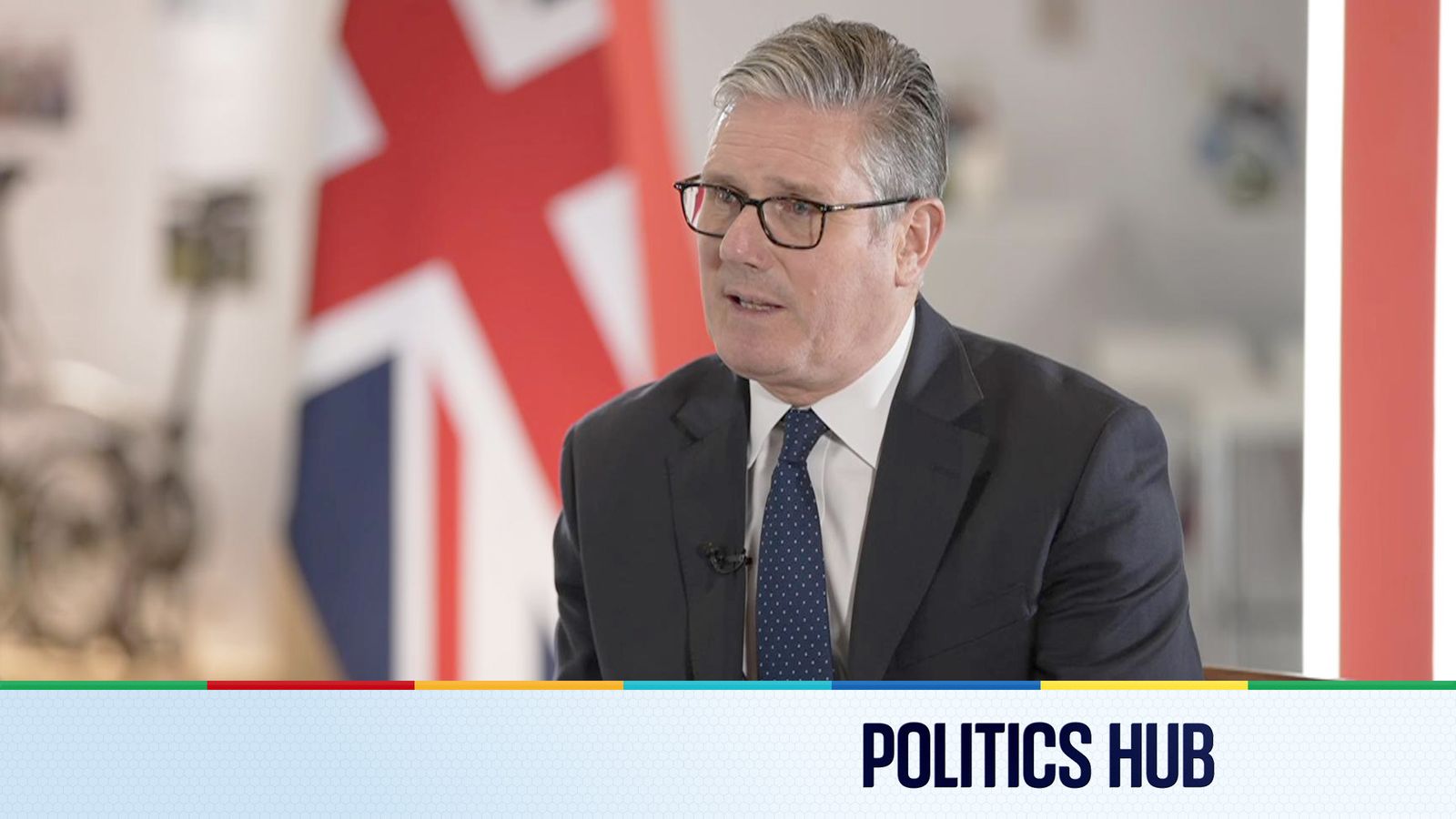
The upcoming by-election in Gorton and Denton has been characterized by Prime Minister Sir Keir Starmer as a crucial battleground between what he calls “patriotic renewal” and what he describes as the “toxic politics of Reform.” In a candid interview with Sky News political editor Beth Rigby, the Prime Minister made it clear that Labour views this contest as far more than just another by-election to fill a vacant parliamentary seat. Instead, Starmer positioned it as a referendum on two fundamentally different approaches to governing Britain and addressing the concerns of ordinary people. The seat became vacant following a deal that allowed suspended Conservative MP Andrew Gwynne to stand down from parliament, setting the stage for what promises to be one of the most closely watched electoral contests in recent memory. With Reform UK selecting their candidate and Labour preparing to announce theirs, the battle lines are being drawn for what could be a significant indicator of the political mood in the country.
The Prime Minister’s Strong Words Against Reform
Sir Keir Starmer did not mince words when discussing Reform UK and their approach to politics. The Prime Minister told Beth Rigby that Reform has already chosen their candidate—Matt Goodwin—and that voters can expect to see a campaign built on what he termed “a politics of division and toxic divide.” Starmer made it abundantly clear that Labour intends to fight vigorously against this approach, framing the choice for voters as one between positive, forward-looking governance and divisive rhetoric that he believes does nothing to address the real challenges facing communities. The Prime Minister emphasized that Labour would be fielding what he described as an “excellent candidate” who would stand in stark contrast to Reform’s offering. According to Starmer, the election represents a “straight fight between Labour and Reform,” effectively dismissing the chances of other parties and focusing the contest on these two competing visions. His remarks suggest that Labour sees this by-election as an opportunity to draw a clear distinction between their approach to governance and that of Reform UK, which has been gaining ground in some areas of the country with its anti-establishment messaging.
Challenges from Within Labour’s Own Ranks
Despite the Prime Minister’s confidence in Labour’s upcoming candidate, Beth Rigby raised an important challenge during the interview that highlights some of the internal discussions happening within the Labour Party. Some of Starmer’s own Labour colleagues reportedly believe that Andy Burnham, the popular and high-profile Mayor of Greater Manchester, might be the only candidate with enough name recognition and local connection to successfully beat Reform UK in this contest. Burnham has built a strong political brand in the region and is widely respected across party lines, making him an attractive option for those worried about Reform’s growing appeal. However, when asked about these concerns, the Prime Minister chose to redirect the conversation entirely toward what he considers the most pressing issue facing the nation: the cost of living. This strategic pivot reveals Starmer’s determination to keep Labour focused on bread-and-butter economic issues rather than getting drawn into internal party debates about candidate selection or the perceived threat from Reform UK.
Cost of Living: The Real Priority
In what may have been the most revealing moment of the interview, Sir Keir Starmer emphasized that his government’s unwavering focus remains on addressing the cost of living crisis that continues to squeeze households across the country. When pressed about internal Labour discussions regarding candidate selection, the Prime Minister responded with a statement that underscored his priorities: “Every minute we spend not talking about the cost of living is a wasted minute.” This simple but powerful declaration demonstrates Starmer’s belief that Labour must remain laser-focused on the economic challenges that matter most to ordinary voters, regardless of where he is in the world or what domestic political controversies might be swirling. The Prime Minister acknowledged that he is “deeply conscious” that the cost of living is “the thing that matters most up and down the country,” and he insisted that Labour needs to “concentrate all of our time, all of our energy, all our focus on all the levers we can pull” to address this critical issue. This messaging represents a clear attempt by Starmer to position Labour as the party that is actually delivering for working people, in contrast to what he characterizes as the divisive distractions offered by Reform UK.
The Candidates and Campaign Timeline
As the by-election campaign takes shape, several parties have already announced their candidates for the Gorton and Denton contest. Reform UK has selected Matt Goodwin, a well-known political commentator and academic who has written extensively about populism and the disconnect between political elites and ordinary voters. His candidacy represents a significant statement of intent from Reform UK, suggesting they view this seat as a genuine opportunity to demonstrate their growing electoral appeal. The Liberal Democrats have confirmed that Jackie Pearcey will be their candidate, while the Green Party used an event to announce that Hannah Spencer will carry their banner in the election. Notably, both Labour and the Conservatives have yet to announce who will contest the seat on their behalf, though announcements are expected soon. The formal nomination period closes at 4:00 PM on Tuesday, February 3rd, after which the complete list of candidates will be published on the Manchester City Council website. This gives all parties a limited window to finalize their selections and begin building their campaign infrastructure. The actual by-election is scheduled for February 26th, giving candidates just under a month to make their case to voters and convince them that they offer the best representation for the constituency.
What This By-Election Means for British Politics
The Gorton and Denton by-election carries significance that extends far beyond the boundaries of this single constituency in Greater Manchester. For Labour, it represents an opportunity to demonstrate that their message of “patriotic renewal” and focus on cost-of-living issues resonates with voters in a traditional Labour area that, like many similar constituencies, has seen increasing interest in alternative parties like Reform UK. A strong Labour victory would validate Starmer’s approach and quiet internal critics who worry about the party’s ability to hold its traditional base while also appealing to swing voters. For Reform UK, a strong showing or even an upset victory would represent a major breakthrough and validate their claim that they represent the future of British politics for those disillusioned with the established parties. The selection of Matt Goodwin as their candidate suggests they are taking this contest very seriously and see it as a chance to prove their electoral viability beyond simply winning protest votes. For the Conservatives, still reeling from their devastating general election defeat and struggling to find their footing in opposition, this by-election presents a difficult challenge in a seat they have little chance of winning but where their performance will nonetheless be scrutinized. As Deputy Political Editor Sam Coates visits the constituency to gauge the mood on the ground, voters in Gorton and Denton find themselves at the center of a political contest that will be watched closely across the country as an indicator of where British politics may be heading in these uncertain times.