



Morrisons Explores £1 Billion Property Deal to Boost Competitiveness
Supermarket Chain Seeks Creative Financing Solutions
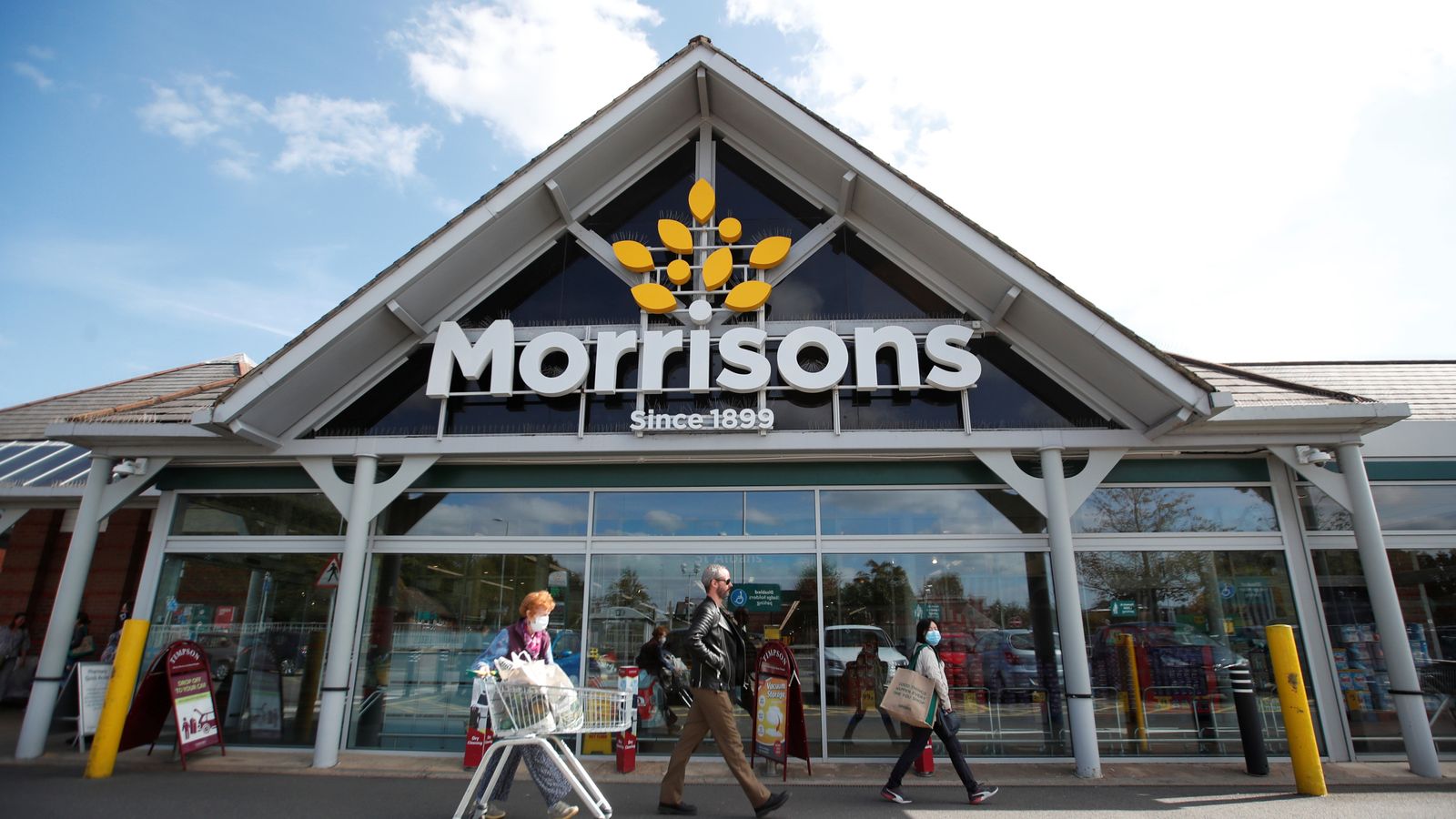
Morrisons, Britain’s fifth-largest supermarket chain, is reportedly considering a significant property deal worth up to £1 billion as it fights to regain market share lost to competitors like Sainsbury’s and discount retailer Aldi. The Bradford-based grocer has enlisted the help of CBRE, a leading real estate advisory firm, to explore various financing options using its substantial property portfolio as collateral. This strategic move comes as the company continues adapting to an increasingly competitive grocery market landscape, where discount chains have been steadily eroding the market positions of traditional supermarket players. With approximately 500 stores across the United Kingdom and a workforce of around 95,000 employees, Morrisons is looking to leverage one of its most valuable assets—its extensive property holdings—to fuel its recovery and modernization efforts in a challenging retail environment.
Exploring Alternatives to Traditional Sale-and-Leaseback
According to sources familiar with the matter, while the evaluation process remains in its early stages, Morrisons is unlikely to pursue a conventional sale-and-leaseback transaction, despite this being a historically popular strategy among major grocery retailers. Instead, the company is expected to consider more innovative financing structures, such as a medium- or long-term borrowing arrangement secured against a selection of its supermarket properties. This approach would allow Morrisons to access capital while maintaining greater control over its property assets compared to outright sales. The flexibility of this strategy reflects a more sophisticated approach to property-backed financing that has evolved in recent years, offering companies alternative ways to unlock value from real estate without completely relinquishing ownership. While the exact structure and final amount remain undecided, estimates suggest the deal could generate as much as £1 billion in fresh capital for the business.
The Legacy of Private Equity Ownership
Morrisons’ current situation stems largely from its 2021 acquisition by Clayton, Dubilier & Rice (CD&R), a prominent US-based private equity firm, in a deal valued at approximately £10 billion including debt. Since the company was taken private from the stock market, its performance has been inconsistent, culminating in a particularly painful milestone last year when German discount chain Aldi surpassed it to claim the position of Britain’s fourth-largest grocer by sales. This slippage in market ranking prompted significant management changes, including the 2023 appointment of Rami Baitieh, a former executive from French retail giant Carrefour, as chief executive. Baitieh was brought in specifically to reverse the company’s declining fortunes and restore Morrisons to growth. Alongside Asda, which is owned by TDR Capital with Walmart retaining a residual stake, Morrisons represents one of only two major UK grocery chains currently under private equity ownership, a model that has attracted both scrutiny and debate within the retail sector.
Substantial Property Holdings Provide Strategic Advantage
One of Morrisons’ most distinctive characteristics among UK supermarket chains is its exceptional property ownership profile. The company owns the freeholds to roughly 80% of its store estate, representing one of the highest ownership levels in the entire sector. This substantial property portfolio provides Morrisons with considerable strategic flexibility and represents a significant asset base that can be leveraged for various corporate purposes. Industry sources indicate that even if the company proceeds with a £1 billion transaction through either a sale-and-leaseback arrangement or a leverage-based deal, it would still retain freehold ownership of approximately 60% of its stores. This would leave Morrisons with a property ownership percentage that remains well above many of its competitors, preserving an important strategic advantage. The company has also been methodically reducing its debt burden since the CD&R acquisition, with only about £1 billion of the original acquisition financing remaining to be repaid and no immediate debt maturities on the horizon, indicating the property transaction is a strategic choice rather than a financial necessity.
Honoring Previous Commitments While Pursuing New Strategies
During the intensely competitive bidding war for Morrisons in 2021, CD&R made specific commitments to stakeholders regarding the company’s valuable property assets. The private equity firm pledged not to undertake significant disposals of store freeholds for a defined period, a promise designed to reassure employees, communities, and other stakeholders concerned about asset-stripping. Since that initial restricted period, Morrisons has primarily focused its real estate activities on non-store assets rather than core supermarket properties. A notable example came in 2024 when the company established a partnership with Song Capital, an investment firm that paid £370 million for the rights to receive income streams from 75 Morrisons supermarkets over a 45-year period. This creative financing arrangement demonstrated the company’s willingness to explore innovative property-related transactions while preserving actual ownership of the underlying assets. These careful steps suggest Morrisons is balancing its need for capital and strategic flexibility with respect for previous commitments and awareness of stakeholder sensitivities surrounding property disposals.
Recent Performance and Future Outlook
Despite the challenges Morrisons has faced in recent years, the company recently published results highlighting what it characterized as “strong” Christmas trading performance, a crucial period for grocery retailers. Chief Executive Rami Baitieh emphasized that 2024/25 represented “another year of renewal and modernisation for Morrisons,” noting that the company achieved like-for-like sales growth for a twelfth consecutive quarter even as consumers faced financial pressures. The company maintained both its EBITDA (earnings before interest, taxes, depreciation, and amortization) and market share while demonstrating resilience against significant external challenges, including intense price competition, changing consumer behaviors, and broader economic headwinds. While Morrisons declined to comment specifically on the prospective real estate deal, the company’s willingness to explore such options reflects a management team committed to accessing all available tools to fund its transformation and competitive response. As the UK grocery market continues evolving, with discount chains gaining ground and traditional players fighting to differentiate themselves, Morrisons’ ability to leverage its substantial property assets while investing in modernization and customer experience may prove crucial to its long-term success in recapturing lost ground and securing its position among Britain’s leading supermarket chains.