


The Daring Rescue Mission in Iran: A Testament to American Military Values
A Mission That Sends a Clear Message
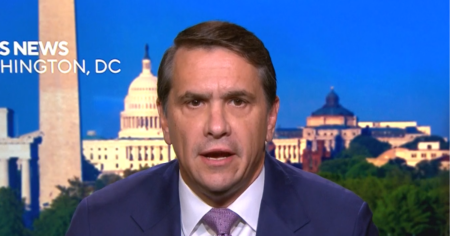
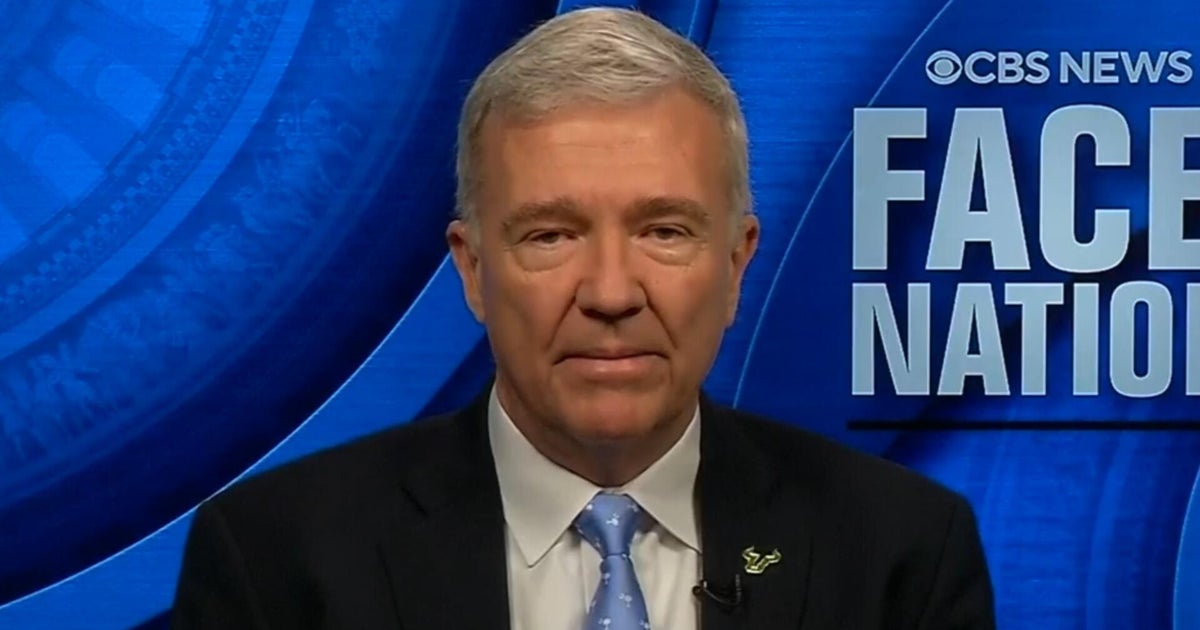
In a recent interview on CBS News’ “Face the Nation,” retired General Frank McKenzie, who previously led U.S. Central Command, shared his insights about one of the most dramatic rescue operations in recent military history. The mission, which unfolded over an intense two-day period during the ongoing conflict with Iran, resulted in the successful recovery of a missing American airman who had been hiding in Iran’s treacherous mountain terrain for more than a day. What makes this story particularly significant, according to McKenzie, is not just the successful rescue itself, but what it reveals about both American military commitment and potential cracks in Iran’s domestic control. The general pointed out that despite Iranian leadership making widespread appeals to their citizens to help locate and turn in the missing American serviceman, these efforts apparently fell flat. This failure, McKenzie suggested, might indicate a troubling sign for Tehran’s leaders—a possible indication that not all Iranians are rallying behind their government’s cause as enthusiastically as officials might hope.
The Harrowing Events That Sparked the Rescue
The crisis began on a Friday when Iranian forces successfully shot down an American F-15E fighter jet, setting off a chain of events that would test the U.S. military’s search-and-rescue capabilities to their limits. The aircraft had two crew members aboard when it went down over Iran’s challenging mountainous landscape. Fortunately, the pilot was located and extracted relatively quickly that same day, with two military helicopters successfully pulling off his rescue. However, the situation became far more complicated with the second crew member, the jet’s weapons systems officer who held the rank of colonel. This airman found himself stranded deep in hostile territory, alone in Iran’s unforgiving mountain ranges with nothing but a handgun for protection. As night fell and turned to day, and then another night, the pressure mounted on American military commanders to locate their missing comrade. The search operation that followed was nothing short of massive, involving dozens of highly trained American special operations commandos working alongside several dozen warplanes and helicopters, all coordinated in a complex effort to find one man in an enormous and dangerous search area.
A Risky Operation Deep in Enemy Territory
When President Trump announced early Sunday morning that the missing airman had been found “deep inside the mountains in Iran,” it marked the end of one of the most nerve-wracking episodes of the five-week conflict. But the announcement only hinted at the incredible risks American forces took to bring their colleague home. According to reports from CBS News and U.S. officials, the rescue operation was far from a simple extraction. American forces had to use bombs and sustained weapons fire to create a protective barrier, keeping Iranian military forces at bay while the rescue unfolded. It’s difficult to overstate how dangerous such an operation is—American helicopters and aircraft operating deep inside Iranian territory, essentially fighting their way in to retrieve a single serviceman. The mission required split-second timing, exceptional coordination, and the kind of courage that defines the military profession. Every person involved in that operation knew they were putting their lives on the line, flying into harm’s way in enemy airspace, all for the principle that America doesn’t abandon its people.
The Cost of Commitment
The successful rescue didn’t come without significant costs, though none as precious as human life. During the operation, two transport planes that had landed at a remote base inside Iranian territory encountered problems that prevented them from taking off as planned. Rather than risk these aircraft falling into Iranian hands—where they could be studied, reverse-engineered, or used for propaganda purposes—American forces made the difficult decision to destroy them. Additionally, on Friday, an A-10 Warthog aircraft that was participating in the search operation came under fire from Iranian forces. The damage was severe enough that the pilot had no choice but to eject, though fortunately this occurred over the Persian Gulf rather than over land. This pilot was subsequently rescued from the water, adding another successful recovery to the mission’s tally but also highlighting just how dangerous the entire operation was. When the final accounting was done, the United States had lost three aircraft in the course of rescuing one airman—a trade-off that might seem disproportionate to outside observers unfamiliar with military culture.
A 200-Year Tradition That Defines American Military Culture
This is precisely where General McKenzie’s most powerful observation comes into play. When asked about the loss of multiple aircraft during the rescue mission, the retired general put the situation into a perspective that captures something essential about American military values. Yes, McKenzie acknowledged, the United States lost a couple of aircraft during this operation, and he noted that it takes approximately a year to build a replacement aircraft—a significant investment of time, resources, and money. However, he then delivered what might be the mission’s most important takeaway: “It takes 200 years to build a military tradition where you don’t leave anybody behind.” This statement encapsulates a fundamental truth about what makes the American military effective. It’s not just about having the most advanced technology, the biggest budget, or the most powerful weapons, though all those things certainly matter. What truly makes a military force formidable is the bond of trust between its members—the absolute certainty that if you fall behind enemy lines, your brothers and sisters in arms will move heaven and earth to bring you home. McKenzie emphasized that the U.S. military trains for these scenarios constantly. Every time American aircrew fly over enemy territory, detailed and elaborate rescue plans are already in place. It’s not an afterthought or a contingency that might be considered if circumstances permit. It’s a core part of mission planning, reflecting a basic element of American military identity.
Looking Forward: Lessons and Implications
As General McKenzie noted, the success of this rescue operation should serve as what he called a “hard lesson for Iran.” The lesson isn’t just about American military capability, though the operation certainly demonstrated impressive technical and tactical prowess. It’s also about commitment and resolve—the willingness to risk valuable assets and personnel to uphold a principle. For American service members everywhere, this rescue reinforces the knowledge that their country and their fellow warriors will not abandon them, no matter how difficult the circumstances. For adversaries, it’s a reminder that Americans fight not just with technology but with a cohesion and mutual loyalty that makes them exceptionally difficult to defeat or demoralize. The apparent failure of Iranian authorities to get their own citizens to cooperate in locating the downed airman adds another dimension to the story. If McKenzie’s interpretation is correct—that this represents “maybe a sign of disaffection” among the Iranian population—it could indicate that the Iranian government faces challenges beyond just military ones. A population that won’t help their government capture an enemy combatant hiding in their midst might be a population that’s lost faith in their leadership’s agenda. Ultimately, this dramatic episode in the mountains of Iran illustrates something that goes far beyond a single rescue mission. It demonstrates the enduring power of the principle that no one gets left behind—a tradition that, as General McKenzie so eloquently noted, has taken two centuries to build and remains absolutely fundamental to American military effectiveness and identity.