

The Prince and the Predator: New Revelations About Andrew Mountbatten-Windsor’s Ties to Jeffrey Epstein
Confidential Information Allegedly Shared with Convicted Sex Offender
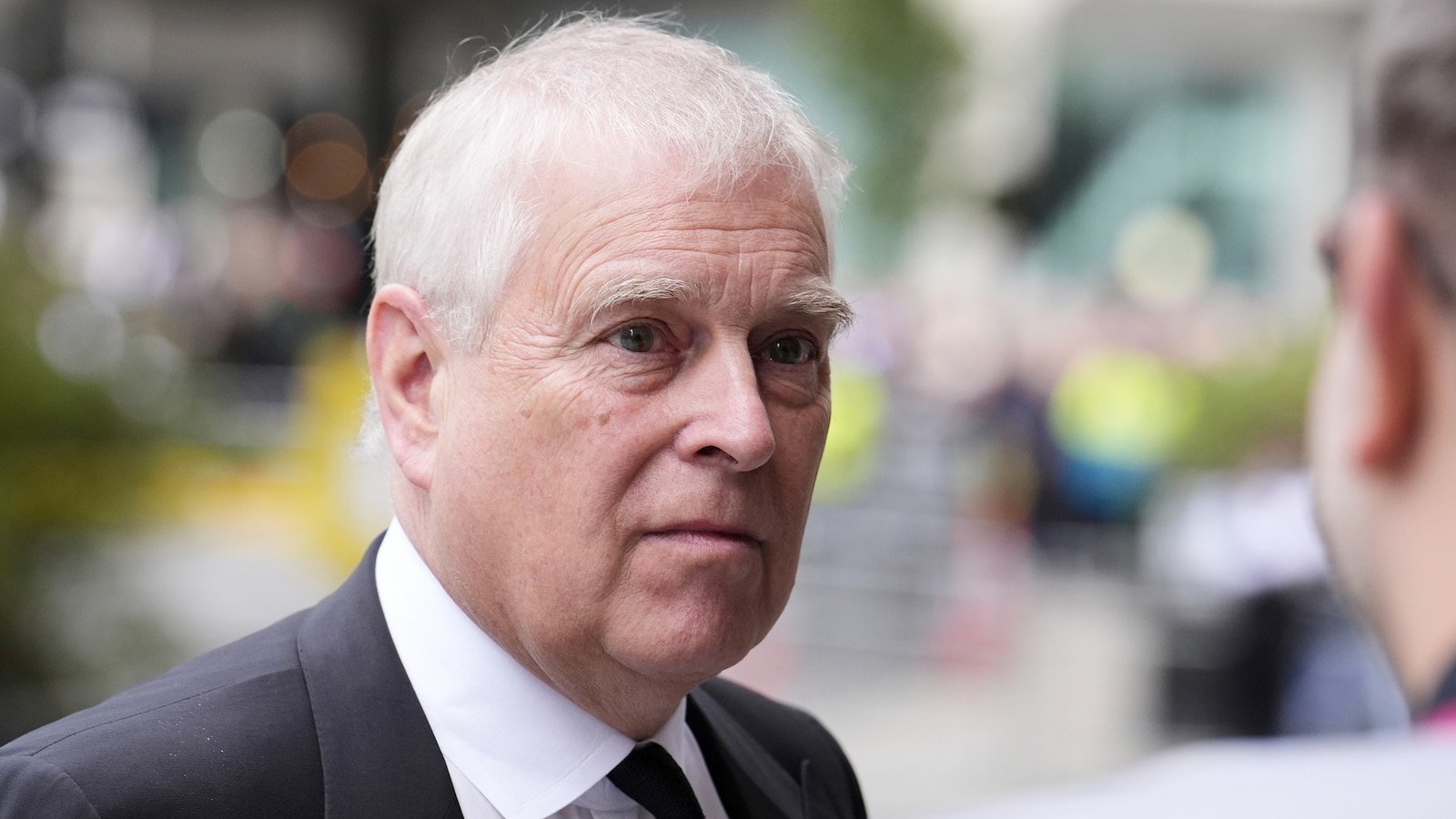
Recent documents released by the U.S. Department of Justice have cast a troubling new light on the relationship between Andrew Mountbatten-Windsor and the late Jeffrey Epstein. The emails, which span several years during Mountbatten-Windsor’s tenure as the United Kingdom’s trade envoy, suggest that the former prince may have shared sensitive government information with Epstein and potentially discussed business arrangements while serving in an official capacity for the British government. These revelations have led to Mountbatten-Windsor’s arrest by British police on suspicion of misconduct in public office, marking a dramatic fall from grace for someone who was once a prominent member of the royal family. The former prince, whose royal title was stripped by his brother King Charles III last year, has maintained his innocence regarding any wrongdoing related to Epstein, and it’s important to note that he has not been charged with any sex crimes.
The correspondence reveals a pattern of communication that raises serious questions about the boundaries between Mountbatten-Windsor’s official duties and his personal relationship with Epstein. During 2010, while actively serving as Britain’s trade envoy, Mountbatten-Windsor sent Epstein what he himself described as “confidential information” related to investment opportunities in Afghanistan. In one particularly concerning December 2010 email, he forwarded a “confidential brief” about these opportunities to Epstein, asking for his comments and suggestions about who else might be interested in such investments. He mentioned that he planned to share this information with contacts in Abu Dhabi as well, treating Epstein as part of his trusted network for what appeared to be official government business. Just a month earlier, Mountbatten-Windsor had sent Epstein multiple reports from his trip to South Asia, undertaken in his capacity as trade envoy, further blurring the lines between his public responsibilities and private associations.
The Liaison’s Role: A Private Office Leveraging Royal Connections
The situation becomes even more complex when examining the role of David Stern, who served as Mountbatten-Windsor’s liaison during this period. According to the released emails, Stern appears to have shared potentially sensitive information with Epstein regarding major British companies, including the prestigious automaker Aston Martin and the Royal Bank of Scotland. While it remains unclear from publicly available documents whether Mountbatten-Windsor was aware that Stern was sharing this information with Epstein, the pattern suggests a disturbing level of access that Epstein had to information connected to Britain’s business interests. Stern’s involvement has already had consequences—he immediately resigned from his position as a board member at the University of Cambridge’s Judge Business School following these revelations, though attempts to contact him for comment have so far been unsuccessful.
Perhaps most troubling are the emails that reveal discussions between Stern and Epstein about establishing a private investment office that would explicitly capitalize on Mountbatten-Windsor’s royal status and government connections. In a July 2010 email, Stern outlined a plan to create “a small investment highly private office in London with small outpost in Beijing” targeting wealthy individuals, particularly from China. The proposal was shockingly direct about exploiting the royal connection: “We very discreetly make PA part of it and use his ‘aura and access,'” Stern wrote, with “PA” being shorthand for Prince Andrew, as Mountbatten-Windsor was then known. According to this plan, Epstein would make investment decisions while Stern managed daily operations. Follow-up emails from June 2010 show Stern informing Epstein that he had told “PA” about the company setup and was waiting for Epstein’s feedback before proceeding. Though there’s no evidence that this scheme was actually implemented, the discussions demonstrate how Epstein and those around Mountbatten-Windsor viewed his royal status as a commodity to be exploited for financial gain.
Facilitating High-Level Connections with Foreign Officials
The emails also suggest that Mountbatten-Windsor actively worked to connect Epstein with influential foreign officials, raising additional concerns about whether he was using his government position to benefit a personal associate. In November 2010, Mountbatten-Windsor informed Epstein that he had discussed arranging a meeting with Sheikh Abdullah bin Zayed Al Nahyan, who served as the UAE’s foreign affairs minister. The tone of the communication suggests this wasn’t a one-time occurrence but rather part of ongoing discussions, with earlier emails indicating that Mountbatten-Windsor had consulted with Epstein about the best approach to these conversations. The email conveys that the sheikh “thinks you are great and would like to introduce you to Sheikh Mohammed, the Crown Prince,” though noting that such a meeting probably couldn’t happen before year’s end. Epstein’s response was casual and familiar, asking Mountbatten-Windsor to request “a date when we can all go on vacation,” suggesting a level of intimacy and shared social planning that went far beyond what would be appropriate for a government official and a private citizen, particularly one with Epstein’s background.
This pattern of facilitating connections reveals how Mountbatten-Windsor may have treated his official role as trade envoy as interchangeable with his personal network. The trade envoy position was supposed to promote British business interests abroad and facilitate legitimate trade relationships that would benefit the United Kingdom’s economy. Instead, these emails suggest that Mountbatten-Windsor was using the access and credibility that came with this role to open doors for Epstein, a convicted sex offender whose business dealings were already controversial. The willingness to make introductions at the highest levels of foreign governments, including crown princes and foreign ministers, demonstrates either a serious lapse in judgment about the appropriateness of such actions or a deliberate decision to use public office for private benefit.
Investment Advice and Personal Financial Discussions
Adding another layer to this complicated picture, a May 2010 email suggests that Mountbatten-Windsor sought and received investment advice from Epstein while serving in his government role. The email references an earlier conversation between the two and discusses how Mountbatten-Windsor could invest through trusts and other vehicles while avoiding potential problems: “Re our conversation earlier this week: so long as I delegate any responsibility to invest then there are no problems,” he wrote to Epstein. “So Trusts are delegated responsibility as to are any Banks or Investment Vehicles or for that matter Trusted individuals.” This correspondence indicates that their relationship encompassed personal financial planning, with Epstein apparently advising the prince on how to structure his investments. The fact that these discussions were happening simultaneously with Mountbatten-Windsor sharing government information and facilitating official connections creates a troubling web of potentially conflicting interests.
The nature of these financial discussions raises questions about whether Mountbatten-Windsor saw any problematic overlap between his public duties and private interests, or whether he was receiving any guidance about maintaining proper boundaries. For someone in his position, consulting with a convicted sex offender about personal investments while also sharing government information with that same individual represents a serious failure of judgment at best. At worst, it could indicate a broader pattern of misconduct in which public office and private benefit became impossibly entangled. The casual tone of these emails, treating Epstein as a trusted advisor on both official and personal matters, suggests that Mountbatten-Windsor either didn’t recognize or didn’t care about the ethical problems inherent in such a relationship.
The Fallout and Broader Implications
The arrest of Andrew Mountbatten-Windsor by British police marks a stunning development in a story that has haunted the British royal family for years. His association with Jeffrey Epstein, who died by suicide in a Manhattan jail in 2019 while awaiting trial on sex trafficking charges, has been a source of intense public criticism and scrutiny. The royal family’s response has been gradually escalating, culminating in King Charles III’s decision last year to revoke his brother’s royal title—an extraordinary step that reflected the severity of the reputational damage. Now, with these email revelations leading to an arrest on suspicion of misconduct in public office, the situation has moved from scandal to potential criminal prosecution. While Mountbatten-Windsor has consistently denied any wrongdoing related to Epstein and has not been charged with sex crimes, these new documents paint a picture of someone who either seriously misunderstood the responsibilities of public office or deliberately exploited his position for personal connections and potential financial benefit. As this story continues to develop, it serves as a stark reminder of how power, privilege, and poor judgment can create situations where public trust is betrayed, and it raises important questions about oversight and accountability for those who serve in official government capacities.