


Maryland Governor Calls for Real Immigration Reform Amid National Crisis
A Decades-Long Problem Finally Gets Honest Assessment
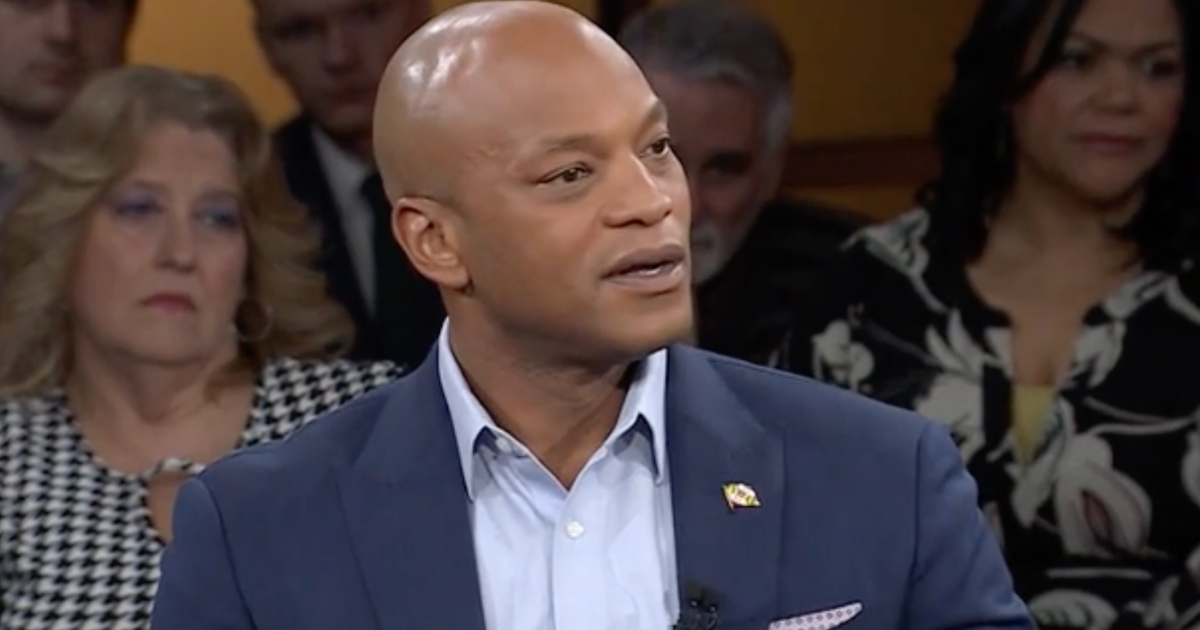
Maryland Governor Wes Moore isn’t mincing words when it comes to America’s immigration challenges. Speaking with CBS News, the governor acknowledged what many politicians have been reluctant to admit: this is a problem we’ve been avoiding for far too long. While Moore has been vocal in criticizing the Trump administration’s approach to immigration—calling it “cruel and reckless”—he’s equally willing to admit that the previous Biden administration didn’t get it right either. This kind of honest assessment is rare in today’s polarized political climate, where leaders typically defend their party’s positions without acknowledging failures. Moore’s willingness to call out shortcomings on both sides of the aisle signals a refreshing approach to what has become one of America’s most contentious issues. His message is clear: we can’t keep kicking this can down the road, and it’s time for leaders to stop playing politics with people’s lives and actually solve the problem.
The Biden Years: When the Border Was Overwhelmed
The numbers from the Biden administration tell a sobering story that can’t be ignored. The southern border experienced unprecedented levels of migrant apprehensions, creating what officials described as a simultaneous humanitarian, political, and operational crisis. Border Patrol agents found themselves processing thousands of people daily, with some peak days in late 2023 seeing approximately 10,000 apprehensions. These weren’t just statistics—they represented real people making dangerous journeys, overwhelmed border communities struggling to cope, and federal agents stretched beyond their capacity. The situation became a flashpoint for criticism from across the political spectrum, with border-state governors declaring emergencies and sending migrants to sanctuary cities to make political points. The Biden administration tried various approaches, from keeping some Trump-era restrictions in place to attempting more humane processing systems, but nothing seemed adequate to address the scale of the challenge. This failure became ammunition for critics and a vulnerability that would significantly impact the political landscape heading into the 2024 election cycle.
Trump’s Immigration Promise and the Reality Check
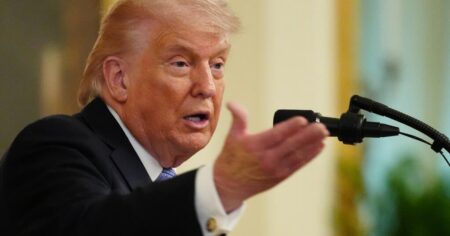
Donald Trump made immigration the cornerstone of his 2024 presidential campaign, promising what he called the largest deportation operation in American history and a complete overhaul of U.S. immigration policy. His message resonated with voters who felt the previous administration had lost control of the border, and immigration ranked among the top concerns for Americans heading to the polls. The numbers did show some change—unlawful crossings along the U.S.-Mexico border dropped to their lowest annual level in over five decades by fiscal year 2025. However, the reality of Trump’s enforcement approach has proven more complicated than the campaign rhetoric suggested. Recent polling indicates that public support for aggressive deportation efforts has begun to decline, with more Americans now viewing ICE operations as “too tough.” Perhaps most telling is an internal Department of Homeland Security document that reveals less than 14% of those arrested by ICE during Trump’s first year back in office actually had violent criminal records. This raises important questions about who is being targeted and whether these enforcement priorities truly make communities safer or simply create fear and separation in immigrant families.
The Congressional Gridlock That Keeps Us Stuck
Governor Moore points to what he sees as the real culprit in America’s immigration dysfunction: Congressional inaction. Despite decades of recognizing that the immigration system is broken, Congress has failed to pass comprehensive reform that would address the issue’s many dimensions—border security, pathways to legal status, visa systems, asylum processes, and workforce needs. Moore expresses frustration with what he calls the “continued abdication of responsibility” by lawmakers who prefer to use immigration as a political wedge issue rather than solving it. His argument is particularly pointed when directed at the current Republican-controlled Congress and White House. With Republicans holding the presidency and majorities in both the House and Senate, Moore suggests there’s no structural barrier to passing immigration legislation. If President Trump truly wanted comprehensive immigration reform, Moore argues, he could have a bill “on his desk next week” because his party has the votes. The fact that this isn’t happening suggests that the political value of immigration as a campaign issue may outweigh the desire to actually fix the system—a cynical calculation that leaves millions of people in limbo and communities without the solutions they need.
Why No Administration Has Gotten It Right
Moore makes an important historical observation: no administration, regardless of party, has ever truly figured out an effective immigration system for America. This isn’t just about the last two presidents—it’s a pattern that extends back through decades of American history. Each administration has faced different aspects of the challenge, from border security concerns to visa backlogs, from asylum processing to workplace enforcement, from family separation controversies to debates over what to do about people who’ve lived in America for years without legal status. The problem is enormously complex because immigration touches on economic needs, humanitarian obligations, national security concerns, cultural identity, and fundamental questions about who we are as a nation. Solutions that might work for border security could create humanitarian crises; approaches that prioritize compassion might face accusations of encouraging illegal immigration; workplace enforcement affects American businesses and industries that depend on immigrant labor; and any pathway to legal status for undocumented immigrants faces accusations of “amnesty.” Moore’s assessment suggests we need to move beyond expecting any single president to solve this through executive action alone and recognize that only comprehensive legislation—which requires Congressional action—can address the system’s fundamental problems.
A Call for Leadership Over Politics
Governor Moore’s comments reflect a growing frustration among state leaders who deal with the real-world consequences of federal immigration dysfunction while Washington plays political games. His appearance on CBS News, where he spoke candidly about failures on both sides, represents the kind of honest conversation that’s been missing from our national immigration debate. Rather than simply defending Democrats or attacking Republicans, Moore is calling for actual solutions—the kind that require political courage, compromise, and putting people ahead of partisan advantage. His message is that we have the power to fix this if we choose to do so, but it requires Congressional leaders to prioritize governance over grandstanding. As America continues to grapple with questions about who gets to come here, how we secure our borders, what we do about the millions already living here without legal status, and how we create an immigration system that serves our economic and humanitarian interests, voices like Moore’s matter. They remind us that behind the statistics and political rhetoric are real communities, real families, and real consequences of our continued failure to address this issue with the seriousness it deserves. The question now is whether our national leaders will rise to meet this challenge or continue punting it to the next election, the next administration, and the next generation.