
Tragedy at Ancient Pyramids: Canadian Tourist Killed in Teotihuacán Shooting
A Shocking Attack at a Sacred Site
What should have been a day of wonder and exploration turned into unimaginable tragedy on Monday when a peaceful visit to one of Mexico’s most treasured landmarks became the scene of sudden violence. A Canadian woman lost her life when a gunman opened fire at the ancient Teotihuacán pyramids, a place where countless visitors come each year to walk in the footsteps of civilizations past and marvel at architectural achievements that have stood for nearly two thousand years. The attack, which also left at least four others injured before the shooter took his own life, has sent shockwaves through both the international tourism community and the local Mexican population who take immense pride in sharing their cultural heritage with the world. The incident serves as a sobering reminder of how quickly moments of cultural appreciation and personal joy can be shattered by senseless acts of violence.
The Events Unfold at the Pyramid of the Moon
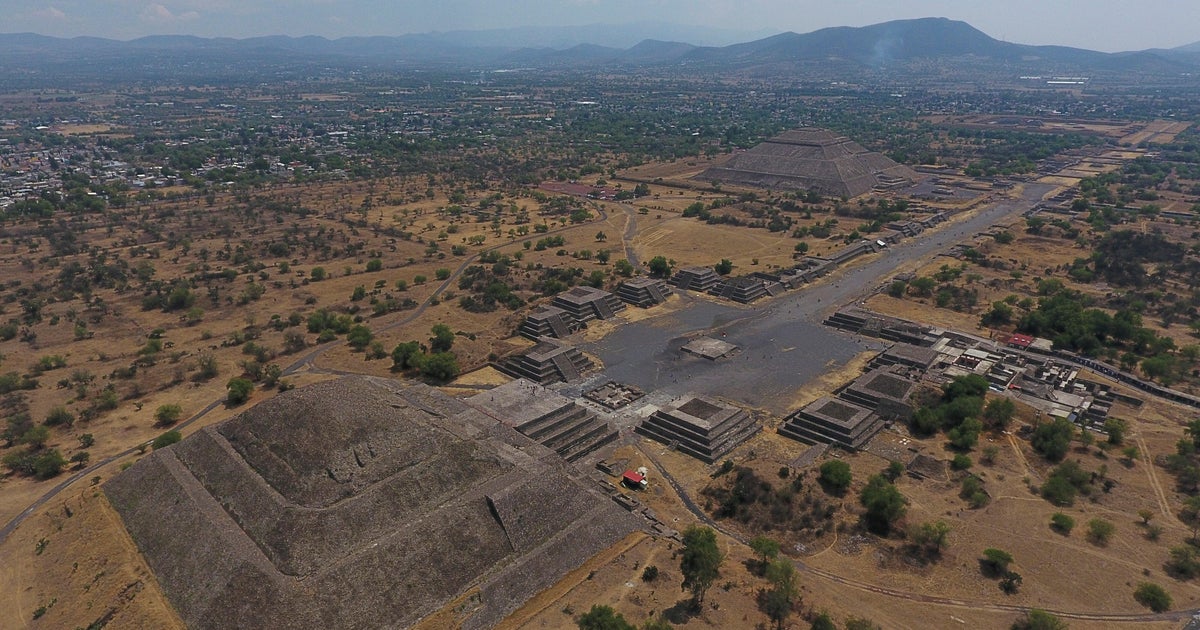
The horrifying scene played out near the iconic Pyramid of the Moon, one of the site’s most recognizable structures. Videos captured during the incident and later verified by news organizations show the deeply disturbing reality of what visitors experienced that day. In one clip, a man armed with a gun can be seen pacing menacingly near the top of the pyramid, a place where tourists typically stand in awe, taking photographs and absorbing the historical significance of their surroundings. Another video, even more chilling, captures the sharp crack of gunshots echoing across the ancient stones while unsuspecting visitors can be seen walking near the base of the pyramid, likely initially confused about what they were hearing. The juxtaposition of violence against such a backdrop of human achievement and peaceful tourism makes the incident all the more jarring. Beyond those directly harmed by gunfire, at least two additional people sustained injuries from falls, likely as panicked visitors fled the danger, scrambling down ancient steps never meant for hurried escape.
The Immediate Aftermath and Official Response
When security forces and emergency responders arrived at the scene following the attack, they discovered the grim evidence of what had transpired: a firearm, a bladed weapon, and scattered ammunition, according to Mexico’s Security Cabinet. The shooter, whose motives remain unclear at this time, had taken his own life, ending the immediate threat but leaving behind devastated victims and countless questions. Mexican President Claudia Sheinbaum responded swiftly to the tragedy, issuing a heartfelt statement that reflected the pain felt across the nation. “What happened today in Teotihuacán deeply pains us,” she said, expressing her “most sincere solidarity with the affected individuals and their families.” Her words acknowledge not only the loss of life and the injured but also the broader implications for Mexico’s reputation as a welcoming destination for international visitors. President Sheinbaum also confirmed that Mexican authorities had immediately established contact with the Canadian embassy to coordinate efforts and provide whatever assistance and information the victim’s family and government might need during this devastating time.
Understanding Teotihuacán’s Significance
To fully grasp the magnitude of this tragedy, one must understand the importance of Teotihuacán itself. Located approximately 30 miles north of Mexico City, this archaeological wonder represents one of the most significant pre-Columbian sites in all of North and Central America. The complex, which flourished between roughly 100 BCE and 750 CE, was once home to a civilization that built some of the largest pyramids in the Western Hemisphere. The Pyramid of the Sun and the Pyramid of the Moon, connected by the Avenue of the Dead and surrounded by smaller structures and ancient residential compounds, draw millions of visitors each year from every corner of the globe. For Mexico, Teotihuacán represents not just a tourist attraction but a profound connection to the indigenous peoples who shaped the region’s history long before European contact. The site serves as an educational resource, a point of national pride, and a bridge connecting modern Mexicans to their ancestors. For international visitors, it offers a tangible link to human achievement and the mysteries of ancient civilizations, making it one of those bucket-list destinations that travelers dream of experiencing firsthand.
The Impact on Tourism and Safety Concerns
This violent incident inevitably raises questions about safety at tourist destinations throughout Mexico, a country that has worked diligently in recent years to balance the economic benefits of robust tourism with legitimate concerns about security in certain regions. Mexico’s tourism industry is vital to its economy, providing employment for millions and bringing in substantial foreign revenue. Sites like Teotihuacán have historically been considered among the safest tourist destinations in the country, with incidents of violence against visitors being exceedingly rare at established archaeological sites. This attack represents an aberration rather than a pattern, yet it will undoubtedly cause some travelers to reconsider their plans or heighten their awareness of surroundings even in seemingly secure locations. The Mexican government will likely respond by reviewing and potentially enhancing security measures at major tourist sites, attempting to strike the delicate balance between maintaining an welcoming, open atmosphere that allows visitors to freely explore while also protecting against the unpredictable threat of random violence that, tragically, can occur anywhere in the world.
A Reminder of Our Shared Vulnerability
As details continue to emerge about this tragedy, including the identity of the Canadian victim and the circumstances surrounding the attacker’s actions, the incident serves as a painful reminder of the fragility of human life and our shared vulnerability regardless of where we travel. The woman who lost her life was likely fulfilling a dream, perhaps checking off a long-anticipated item from her travel bucket list, sharing the experience with loved ones, or simply seeking the kind of enrichment that comes from experiencing different cultures and learning about human history. Instead, she became the victim of an act that seems particularly cruel given its setting—a place dedicated to celebrating human achievement rather than destructive capacity. For the injured survivors and the countless witnesses who will carry the psychological scars of what they experienced, the road to recovery will be long. And for all who heard this news, whether they had planned to visit Teotihuacán or not, it prompts reflection on the risks we accept, often unconsciously, when we step out into the world, and the importance of cherishing each moment of peace, beauty, and human connection we’re privileged to experience. Our hearts go out to all affected by this senseless tragedy.