
Tragic School Shooting in Turkey Leaves Community in Shock
Former Student Opens Fire at Vocational High School
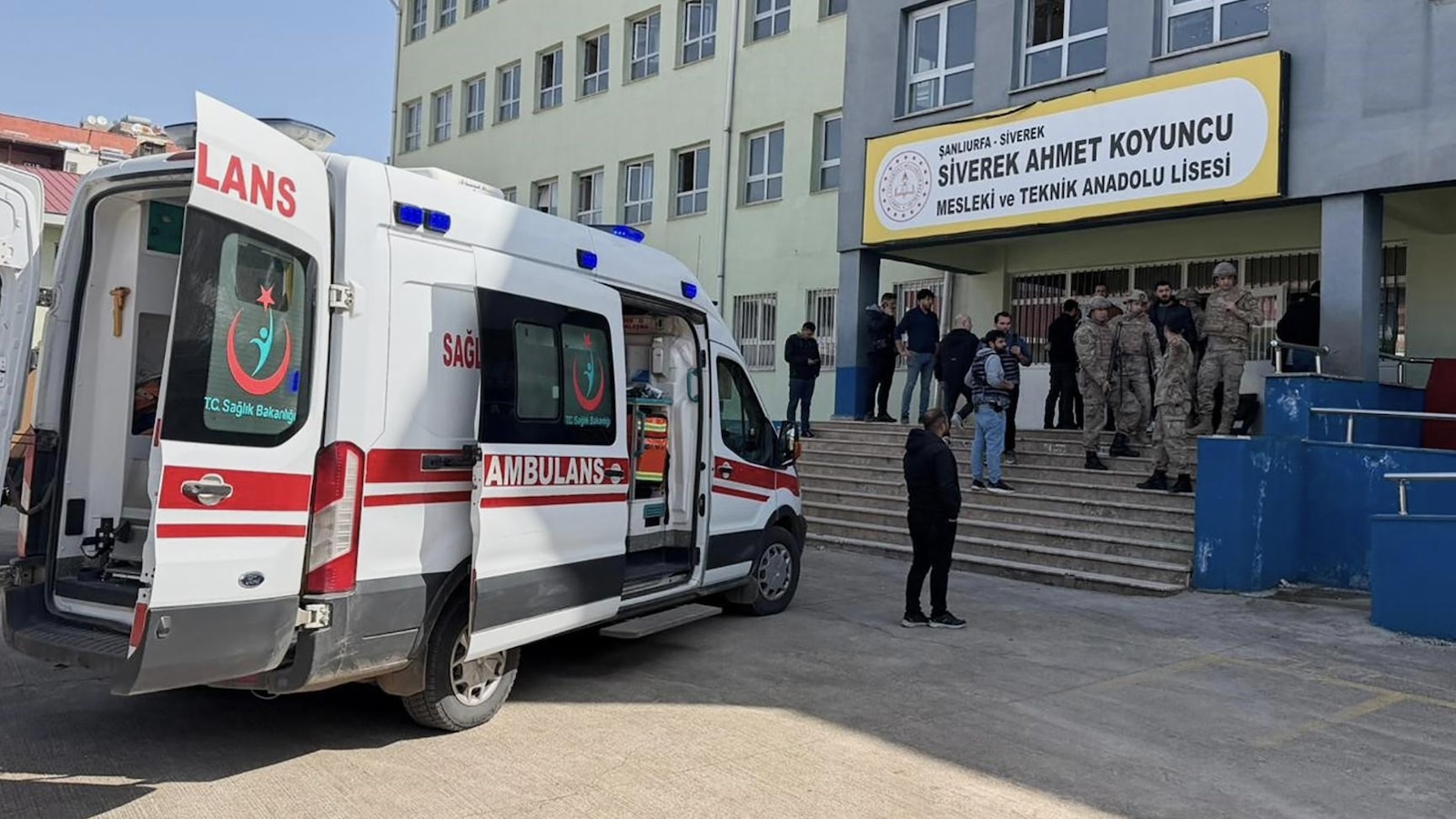
A devastating incident unfolded at a vocational high school in Siverek, located in Turkey’s southeastern Sanliurfa province, when an 18-year-old former student launched a random shooting spree that left at least 16 people wounded. The attack, which is exceptionally rare in Turkey where school shootings are uncommon, ended when the young gunman took his own life after being surrounded by police forces. Governor Hasan Sildak confirmed the details of the tragic event, describing how the teenager entered the school armed with a shotgun and began firing indiscriminately at students and staff members before the situation reached its grim conclusion. The incident has sent shockwaves through the local community and raised questions about school safety measures, even in locations where such violence has historically been uncommon. What began as an ordinary school day quickly transformed into a nightmare scenario that has left families, educators, and law enforcement officials searching for answers about how such a tragedy could occur.
Multiple Casualties Among Students and Staff
The shooting resulted in injuries to sixteen individuals, creating chaos and fear throughout the school building. Among the wounded were ten students who were simply attending classes, four teachers dedicated to educating young people, one canteen employee who was working in the school’s food service area, and a police officer who responded to the emergency. The severity of injuries varied among the victims, with most receiving medical treatment at facilities in Siverek, while five individuals with more serious conditions required transfer to a hospital in the provincial capital where more advanced medical care was available. The fact that the casualties included such a diverse cross-section of the school community—from young students just beginning their educational journey to experienced teachers and support staff—underscores the random and indiscriminate nature of the violence. Families anxiously waited for news about their loved ones as medical personnel worked to treat the injured, while the broader community grappled with the reality that such violence had reached their doorstep. The wounded represent not just statistics but real people whose lives have been forever changed by those terrifying moments of violence.
The Attack Unfolds: Eyewitness Accounts
Terrifying eyewitness accounts from students who survived the attack paint a vivid picture of the chaos and fear that gripped the school during those critical moments. Omer Furkan Sayar, a student who managed to escape the gunfire, provided a chilling description to the state-run Anadolu Agency of how events unfolded in his classroom. According to Sayar, the attacker entered suddenly and without warning, immediately opening fire and shooting four or five times before moving to an adjacent classroom to continue his rampage. In the immediate aftermath of the first shots, Sayar and his classmates threw themselves to the ground in a desperate attempt to avoid being hit, and he and a friend made the split-second decision to escape through the classroom window. The student emphasized that the gunman said nothing before beginning to shoot—there was no warning, no explanation, just sudden and terrifying violence. Video footage captured the aftermath, showing dozens of frightened students streaming out of the school building, running toward the gate and spilling onto the street in their desperation to reach safety. These accounts reveal not just the physical danger these young people faced but also the psychological trauma that will likely affect them for years to come as they process what they experienced.
Police Response and the Attacker’s Final Moments
Law enforcement response to the shooting was swift, with police special operations units being deployed to the scene as reports of the active shooter situation emerged. Initially, the gunman refused to surrender to authorities, leading to a tense standoff as police worked to evacuate remaining students from the building while also attempting to neutralize the threat posed by the armed individual. Officers methodically worked to corner the shooter inside the school building, preventing him from causing additional harm while also attempting to bring the situation to a peaceful resolution. However, the standoff ended tragically when the 18-year-old attacker turned his shotgun on himself, taking his own life before police could apprehend him. Governor Sildak confirmed that the individual died from a self-inflicted gunshot wound after being cornered by law enforcement, marking the end of the active threat but leaving behind numerous questions about what motivated such violence. The governor announced that a comprehensive investigation would be launched to understand every aspect of the shooting, from how the attacker obtained the weapon to what warning signs might have been missed. The police response, while ultimately preventing further casualties, highlights the challenging nature of active shooter situations and the split-second decisions that law enforcement must make in such high-pressure circumstances.
Questions About Motive and Warning Signs
In the aftermath of the shooting, investigators and community members alike are struggling to understand what could have driven an 18-year-old former student to commit such an act of violence. Governor Sildak revealed that the attacker had no criminal record, which made him seem like an unlikely candidate for such extreme violence and partially explains why the school had been deemed safe enough not to require a permanently assigned police officer for protection. The governor characterized the shooting as an “isolated incident,” though this classification offers little comfort to those affected by the tragedy. Adding another layer to the mystery, multiple media reports, including coverage by NTV television, indicated that the assailant had allegedly made threats about attacking the school on social media platforms prior to carrying out the actual shooting. This revelation has raised serious questions about whether these warning signs were reported, investigated, or taken seriously enough by authorities or school officials. The existence of such threats, if confirmed, suggests that this tragedy might have been preventable had the proper intervention occurred. The apparent disconnect between online threats and real-world action highlights the challenges that schools, parents, and law enforcement face in the digital age, where distinguishing between serious threats and empty bluster can be extraordinarily difficult but also critically important.
Rare Violence Raises Broader Safety Concerns
This shooting stands out as particularly shocking because school shootings remain rare in Turkey, unlike in some other countries where such incidents have become tragically more common. The unfamiliarity of such violence in the Turkish context means that many schools may not have extensive active shooter protocols or security measures in place, operating under the assumption that such events simply don’t happen in their communities. This incident may force a national conversation about school safety, security measures, and threat assessment procedures, even in a country where such violence has been historically uncommon. The community of Siverek, in particular, must now grapple with trauma and grief while also considering what changes might be necessary to prevent similar tragedies in the future. Questions about how the teenager obtained the shotgun, whether more robust security screening might have prevented the weapon from entering the school, and how to better identify and intervene with troubled young people before they turn to violence will likely dominate discussions in the coming weeks and months. The families of the wounded face long recoveries—both physical and psychological—while the broader community must work to restore a sense of safety and normalcy to an educational environment that has been shattered by violence. This tragedy serves as a sobering reminder that even in places where school shootings are rare, the potential for such violence exists, and vigilance, preparation, and compassionate intervention with at-risk individuals remain essential components of keeping educational spaces safe for all students and staff.