



Hamas Urges Iran to Show Restraint Amid Escalating Middle East Conflict
A Delicate Balance Between Solidarity and Regional Stability
In a significant diplomatic move, Hamas has publicly called on Iran to exercise restraint in its military response to ongoing hostilities with Israel and the United States, while simultaneously affirming Tehran’s right to self-defense. This statement marks the first time the Palestinian militant organization has made such a public appeal to its longtime Iranian benefactor. The request comes as the Middle East finds itself engulfed in a devastating regional conflict that erupted on February 28, following the assassination of Iran’s Supreme Leader Ali Khamenei. Hamas’s careful balancing act reflects the complex web of alliances and tensions that characterize the current crisis, as the group attempts to maintain its relationship with Iran while advocating for the protection of neighboring Arab countries that could become collateral damage in the widening conflict.
The Statement and Its Implications for Regional Dynamics
Hamas’s official statement walked a careful diplomatic tightrope, recognizing Iran’s legal right under international law to respond to what it considers aggression while urging Tehran to avoid striking neighboring nations. “While affirming the right of the Islamic Republic of Iran to respond to this aggression by all available means in accordance with international norms and laws, the movement calls on the brothers in Iran to avoid targeting neighboring countries,” the organization declared. This nuanced position reveals Hamas’s awareness of the precarious situation facing Arab nations in the region, many of which maintain complicated relationships with both Iran and Western powers. The statement also included a broader appeal to the international community to work toward immediately halting the war that has already claimed thousands of lives and threatens to destabilize the entire Middle East. This dual message—supporting Iran’s right to defend itself while calling for de-escalation—demonstrates Hamas’s attempt to navigate the treacherous waters of regional politics without alienating its most important state sponsor or appearing indifferent to the suffering of populations in neighboring countries.
Hamas’s Historical Ties to Iran and the Legacy of Khamenei
The relationship between Hamas and Iran has been one of the most significant alliances in Middle Eastern politics for decades, making the current situation particularly delicate for the Palestinian organization. Following Ali Khamenei’s assassination on the first day of the current conflict, Hamas immediately condemned the killing as a “heinous crime,” openly acknowledging the late Supreme Leader’s extensive support for the Palestinian cause. “He provided all forms of political, diplomatic and military support to our people, our cause, and our resistance,” Hamas stated in the aftermath of Khamenei’s death. This acknowledgment of Iranian support was unusually explicit and highlighted the depth of the relationship between Tehran and the Palestinian militant group. Iran has been a crucial provider of funding, weapons, and training to Hamas, particularly following the organization’s devastating two-year war with Israel in Gaza. The transition of power to Khamenei’s son Mojtaba, who according to U.S. Defense Secretary Pete Hegseth is “wounded and likely disfigured” from the conflict, adds another layer of uncertainty to regional dynamics. Hamas’s current diplomatic outreach reflects an understanding that maintaining this vital relationship requires careful management during this turbulent period of transition and conflict.
Behind-the-Scenes Diplomatic Efforts and Regional Concerns
According to a Hamas official speaking to AFP on condition of anonymity, the organization has been actively engaged in backchannel communications with Iranian officials regarding the targeting of neighboring countries. “The Israeli occupation seeks to sow discord between Iran and its Arab and Islamic neighbors,” the source explained, suggesting that Hamas views the current crisis partly through the lens of Israeli strategic interests in dividing the region. Beyond its direct communications with Tehran, Hamas’s leadership has undertaken a broader diplomatic initiative, reaching out to officials in several countries including Qatar, Turkey, and Iraq. The goal of this outreach has been to encourage these nations to work toward halting what Hamas characterizes as “the American and Zionist aggression against the Islamic Republic of Iran.” This multi-pronged diplomatic approach reveals Hamas’s recognition that resolving the current crisis will require coordination among multiple regional actors. The organization’s concern about discord between Iran and Arab neighbors reflects a realistic assessment of the complex sectarian, political, and strategic fault lines that run through the Middle East, which could be exploited to isolate both Iran and Palestinian resistance movements.
The Expanding Conflict and Its Devastating Toll
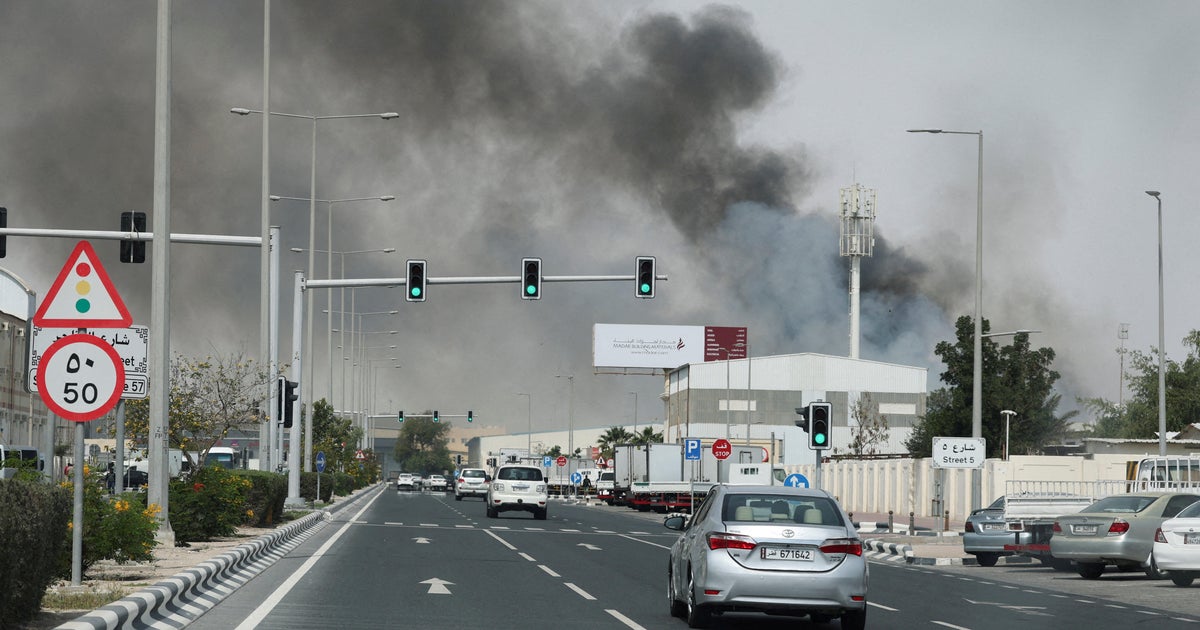
Despite facing what observers describe as superior American and Israeli firepower, Iran has responded to the conflict with a widespread campaign of missile and drone attacks that have struck at least ten countries across the region. The scope of Iran’s retaliation demonstrates both the country’s military capabilities and its willingness to risk further escalation in response to the assassination of its supreme leader. Qatar reported intercepting two missiles on Saturday after explosions were heard in the capital city of Doha, prompting authorities to evacuate certain areas. The U.S. Embassy in Qatar maintained a shelter-in-place order for all remaining emergency personnel, illustrating the serious security concerns even in countries not directly involved in the hostilities. The conflict has also reignited involvement from Hezbollah, Iran’s Lebanese ally, which has fired hundreds of rockets at Israel in the immediate aftermath of the war’s outbreak. Israeli retaliatory strikes have killed nearly 800 people in Lebanon according to that country’s health ministry, while Iranian government authorities report more than 1,200 deaths within Iran. The American military has also suffered casualties, with at least 13 U.S. service members killed since the conflict began on February 28. These mounting casualties underscore the urgency of Hamas’s call for international intervention to halt the fighting before it spirals further out of control.
The Path Forward and Questions of Regional Stability
As the conflict continues to exact a terrible human cost and threatens to draw in additional countries, Hamas’s appeal to Iran represents an attempt by one of the region’s most controversial actors to promote de-escalation without abandoning its core alliances or principles. The organization’s position reflects a pragmatic understanding that an all-out regional war serves no one’s interests, potentially destabilizing countries that have thus far remained on the periphery of the Israeli-Palestinian conflict. Whether Iran will heed Hamas’s call for restraint regarding neighboring countries remains uncertain, particularly as Tehran’s new leadership navigates its own domestic pressures and international isolation. The situation is further complicated by Hezbollah’s active involvement in the fighting, which demonstrates that Iran’s regional network of allied militias operates with some degree of autonomy and may not simply follow directives from Tehran or appeals from Hamas. The international community’s response will be crucial in determining whether this conflict can be contained or whether it will continue to metastasize across the Middle East. Hamas’s dual message—affirming Iran’s right to self-defense while urging restraint and calling for immediate cessation of hostilities—may represent one of the few diplomatic off-ramps available in a crisis that has already claimed thousands of lives and shows few signs of resolution. As regional powers, militant organizations, and international actors navigate this dangerous moment, the decisions made in the coming days and weeks will likely shape Middle Eastern politics for years to come.