



Historic Flooding Crisis Threatens Hawaii Communities as Century-Old Dam Faces Potential Collapse
Catastrophic Waters Overwhelm North Shore Communities
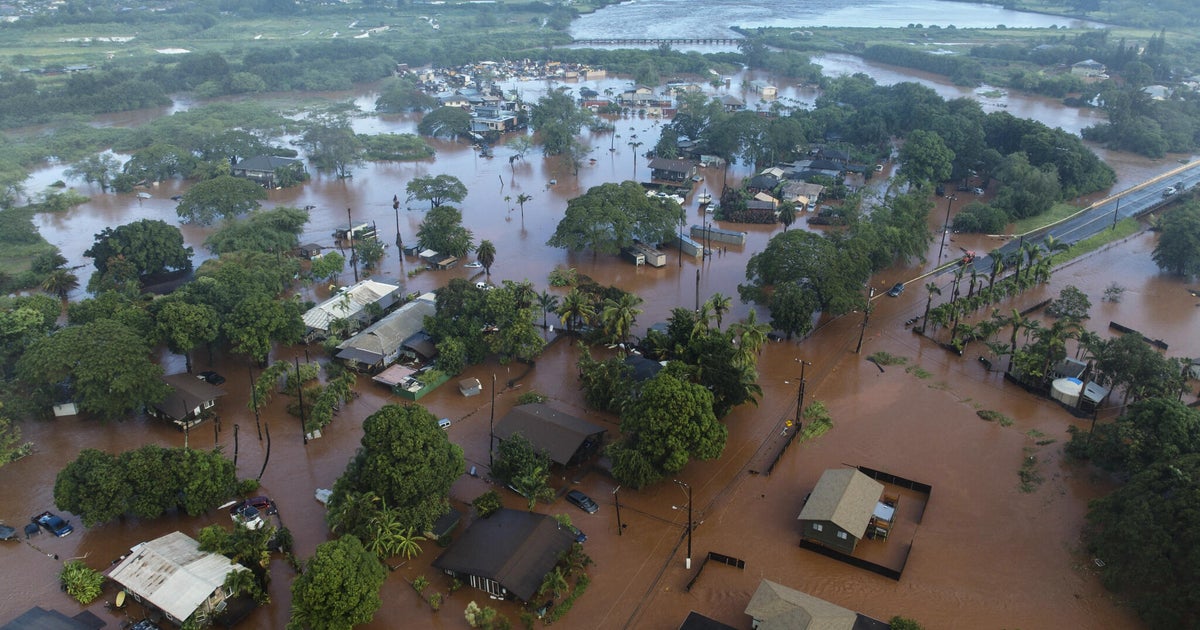
The island paradise of Hawaii found itself gripping the edge of disaster as relentless rainfall unleashed devastating floods across Oahu’s North Shore, turning the world-famous surfing destination into a scene of emergency evacuations and desperate rescue operations. The muddy torrents transformed peaceful streets into rushing rivers, lifted homes completely off their foundations as if they were toys, and swallowed cars whole in their path. At the heart of the crisis stood the Wahiawa dam, a 120-year-old structure that officials warned could fail at any moment, threatening communities downstream with even more catastrophic flooding. Emergency sirens pierced the air throughout Friday as authorities worked frantically to move thousands of residents to safety. The ancient dam, which has long been recognized as vulnerable, became the focal point of everyone’s fears as water levels continued to rise. Officials issued urgent evacuation orders for approximately 5,500 people living in the danger zone below the dam, describing the situation as one of “imminent failure.” The historic flooding demonstrated nature’s raw power to completely reshape daily life in moments, leaving communities that had stood for generations suddenly uncertain about their immediate future.
Massive Rescue Operations Underway Across the Island
As floodwaters continued their relentless assault on communities, emergency responders launched an all-hands-on-deck rescue operation that stretched their resources and tested their capabilities. By Friday evening, Hawaii Governor Josh Green brought some relief to anxious families by confirming that despite the scale of the disaster, there had been no fatalities and everyone was accounted for. Honolulu Mayor Rick Blangiardi reported that rescue teams had successfully saved 233 people from the rising waters, a number that represented countless acts of bravery by first responders working in dangerous conditions. The rescue efforts involved both aerial operations and water-based teams systematically searching flooded neighborhoods for stranded residents. However, these life-saving operations faced an unexpected and frustrating obstacle: curious drone operators flying their personal devices over the flood zone to capture dramatic footage. Ian Scheuring, spokesperson for Honolulu, explained that these unauthorized drones significantly hampered official rescue helicopters and emergency aircraft, creating dangerous interference during critical operations. Among the most dramatic rescues was the airlifting of 72 children and adults who had been attending a spring break youth camp at Our Lady of Kea’au, a retreat center on Oahu’s west coast. While the camp itself sat on high ground and wasn’t in immediate danger from the floodwaters, authorities made the decision not to leave the young campers isolated, as access roads had been completely cut off by the flooding, making conventional evacuation impossible.
Assessing the Unprecedented Damage and Economic Impact
The scope of destruction left officials struggling to fully comprehend what had happened to their communities. Mayor Blangiardi described the damage as nothing short of “catastrophic,” with dozens if not hundreds of homes suffering significant damage, though the complete extent remained unknown as many areas were still inaccessible to assessment teams. Governor Green painted an even broader picture of the disaster’s impact, calling it the largest flood Hawaii has experienced in two decades and warning that the consequences would reverberate throughout the entire state for years to come. The economic toll alone staggered the imagination, with Green estimating that damages could exceed one billion dollars when accounting for both private property losses and public infrastructure destruction. This figure represented not just buildings and roads, but livelihoods, businesses, agricultural lands, and the countless intangible losses that come when communities are torn apart by natural disaster. The flooding wasn’t limited to Oahu alone; on Maui, officials issued evacuation advisories for portions of Lahaina, neighborhoods that had already endured unimaginable trauma from the massive 2023 wildfire that destroyed much of the historic town. Retention basins near these still-recovering communities approached capacity, threatening to add flooding to the list of disasters these resilient residents had faced. The compound crisis highlighted Hawaii’s vulnerability to multiple natural hazards and the ongoing challenges of recovery and preparedness.
The Aging Infrastructure Crisis Comes to the Forefront
The flooding emergency threw a harsh spotlight on Hawaii’s aging dam infrastructure, a legacy system built primarily during the sugar cane industry’s heyday that now posed significant risks to modern communities. The state oversees 132 dams scattered across the Hawaiian islands, most of them constructed as irrigation systems for agricultural operations that ceased decades ago. A 2019 infrastructure report by the American Society of Civil Engineers had already raised concerns about these aging structures, and the current crisis validated those warnings in the most dramatic way possible. The Wahiawa dam’s precarious situation wasn’t entirely unexpected; officials had issued warnings about the structure during heavy rainfall the previous week, though water levels had receded as that storm passed. Now, with continuous rainfall and already saturated ground, the water actively ran over the spillway, creating a scenario that kept engineers and emergency managers on high alert around the clock. For residents like Kathleen Pahinui of Waialua, who spoke with reporters while preparing to evacuate to a friend’s home on higher ground, the aging dam represented a persistent source of anxiety. “Just pray for us,” she said simply, acknowledging that more rain was forecast and the danger was far from over. Her words captured the helpless feeling of knowing your safety depends on a structure built more than a century ago holding against forces it was never designed to withstand.
A Pattern of Flood Disasters Reveals Growing Vulnerability
Unfortunately for Hawaii, this wasn’t an isolated incident but rather the latest chapter in a troubling pattern of increasingly severe flooding events. The 2021 flooding may have caused a breach of the Kaupakalua Dam in Maui’s Haiku community, though the exact circumstances remained under investigation. Just three years before that, in 2018, severe flooding had devastated Hawaii’s taro crop, dealing a significant blow to both the agricultural economy and cultural practices, as taro holds deep significance in Native Hawaiian tradition and cuisine. Perhaps most tragically, the 2006 collapse of the Ka Loko dam on Kauai remained seared in the state’s collective memory—that disaster had killed seven people when the structure failed and sent a wall of water rushing downhill into unsuspecting communities below. These recurring disasters painted a picture of a state increasingly vulnerable to extreme weather events, with infrastructure systems struggling to keep pace with the challenges posed by changing climate patterns. The current crisis had developed through a dangerous one-two punch: a severe storm the previous week had already saturated the ground and filled reservoirs to concerning levels, then a second storm system arrived before anything could drain or dry out, creating the perfect conditions for catastrophic flooding.
Community Resilience and the Long Road to Recovery
As the immediate emergency continued to unfold, officials and residents alike began contemplating the long recovery process ahead. Governor Green mobilized all available state resources, activating the Hawaii National Guard to assist with rescue operations, logistics, and the eventual cleanup and recovery efforts. Early Friday, he described scenes of rescuers pulling people “directly from rooftops” as chest-high floodwaters trapped residents in their homes, painting a vivid picture of the desperation many faced. Understanding that families often refuse to evacuate without their beloved pets, officials opened several pet-friendly emergency shelters throughout the island, including facilities at Waialua High and Intermediate, Wahiawā District Park, Nānākuli High and Intermediate, and Kahuku Elementary. This thoughtful approach recognized that for many people, pets are family members, and the willingness to accommodate them could mean the difference between a family evacuating to safety or stubbornly staying in harm’s way. Mayor Blangiardi acknowledged the difficulty of predicting what would happen next, noting that while officials felt confident about the structural integrity of the island’s dams under normal circumstances, the unprecedented rainfall created variables that were impossible to fully predict. As the weekend approached with forecasts calling for additional rain, communities held their collective breath, hoping that the ancient dam would hold, that the floodwaters would recede, and that they could begin the difficult work of rebuilding what had been lost. The crisis served as a sobering reminder that even in paradise, nature’s power demands respect, preparation, and constant vigilance.