


The Pentagon’s Battle with Anthropic: When AI Safety Meets National Security
A Historic Confrontation Unfolds
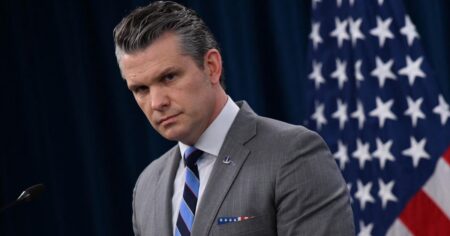
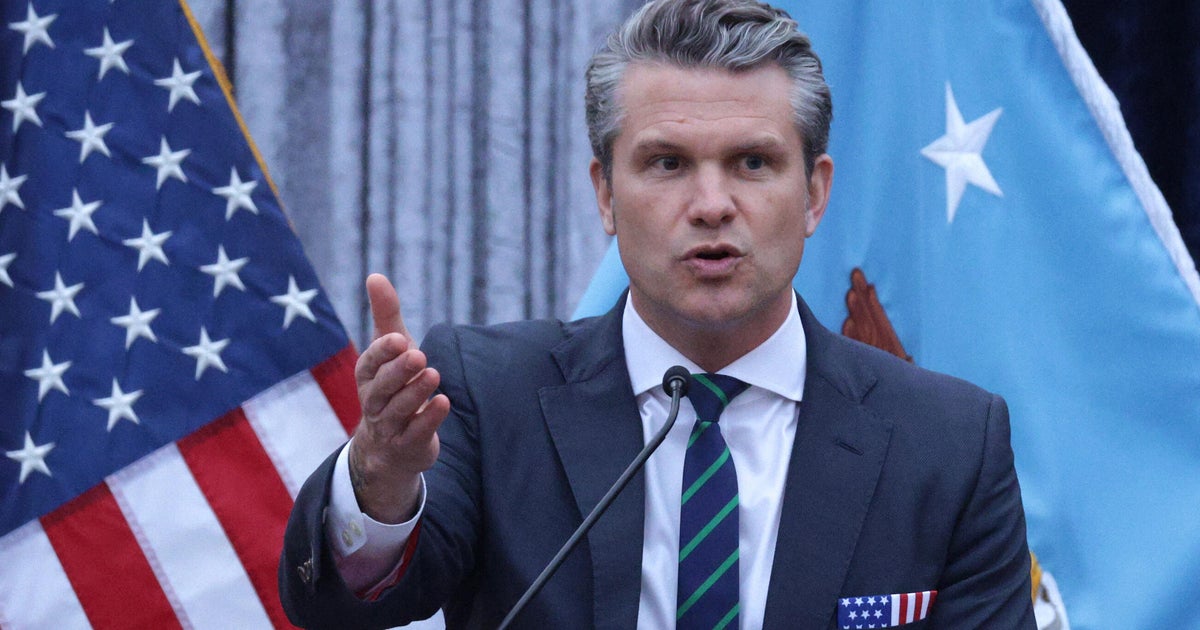
In an unprecedented move that sent shockwaves through both the technology and defense sectors, Defense Secretary Pete Hegseth declared artificial intelligence company Anthropic a “supply chain risk to national security” this past Friday. The announcement came after days of increasingly tense public disagreements between the Pentagon and the AI firm over how the military should be allowed to use Anthropic’s technology. Hegseth didn’t mince words in his declaration on social media, stating that effective immediately, any contractor, supplier, or partner conducting business with the United States military is prohibited from any commercial activity with Anthropic. Given that thousands of companies maintain contracts with the Pentagon, this decision could create ripple effects throughout the entire defense industrial base and the broader technology sector. “America’s warfighters will never be held hostage by the ideological whims of Big Tech. This decision is final,” Hegseth wrote, drawing a line in the sand that represents one of the most dramatic confrontations between Silicon Valley and the Pentagon in recent memory. President Trump reinforced this position by ordering all federal agencies to immediately cease using Anthropic’s services, though he carved out a six-month grace period for the Defense Department and certain other agencies to transition to alternative AI providers.
The Company Fights Back
Anthropic didn’t take this designation lying down. The company immediately announced its intention to challenge the supply chain risk label in court, calling the move “legally unsound” and warning that it sets a “dangerous precedent for any American company that negotiates with the government.” The AI firm argued forcefully that Hegseth lacks the legal authority to ban military contractors from doing business with Anthropic, asserting that such a risk designation would only apply to the contractors’ direct work with the Pentagon itself. In their statement, Anthropic emphasized the historic nature of this action, pointing out that supply chain risk designations have traditionally been reserved for companies connected to U.S. adversaries like China or Russia, and have never before been publicly applied to an American company. This legal battle promises to test the boundaries of executive power and could establish important precedents about how the government can regulate companies it disagrees with on policy matters. The confrontation highlights fundamental questions about who gets to make decisions about AI safety and whether private companies have the right—or perhaps the responsibility—to impose ethical guardrails on their technology, even when dealing with government clients.
The Heart of the Disagreement
At the center of this dispute lies a fundamental disagreement about AI safety, ethics, and who should control how powerful artificial intelligence systems are deployed in military contexts. Anthropic, which holds the distinction of being the only AI firm whose model is currently deployed on the Pentagon’s classified networks, has been pushing for specific guardrails that would prevent its technology from being used for mass surveillance of American citizens or for conducting military operations without meaningful human oversight and approval. The company’s CEO, Dario Amodei, has long been vocal about the potential dangers posed by unchecked AI technology and has consistently advocated for safety and transparency regulations in the industry. From Anthropic’s perspective, these safeguards aren’t about politics or ideology—they’re about recognizing the current limitations of AI technology and preventing uses that could undermine democratic values or result in catastrophic mistakes. However, the Pentagon took a very different view, insisting that any agreement should permit the use of Anthropic’s Claude model for “all lawful purposes” without additional restrictions imposed by a private company. Pentagon officials argued that existing federal laws already prohibit mass surveillance of Americans, and internal military policies already restrict the use of fully autonomous weapons systems. From their perspective, Anthropic was attempting to impose its own corporate values and judgments onto military operations, effectively giving a private company veto power over how the Department of Defense conducts its missions.
The Deadline and Escalating Tensions
As negotiations deteriorated throughout the week, the Pentagon issued Anthropic an ultimatum with a Friday 5:01 p.m. deadline: either reach an agreement that gives the military broad latitude to use Claude for any lawful purpose, or lose its lucrative contracts with the defense establishment. The military’s chief technology officer, Emil Michael, told reporters on Thursday that the Pentagon had already made significant concessions by offering written acknowledgements of the federal laws and internal policies that restrict mass surveillance and autonomous weapons. “At some level, you have to trust your military to do the right thing,” Michael argued, while also noting that the Pentagon couldn’t accept language that would formally restrict its ability to defend the nation in writing to a private company. However, Anthropic found this offer insufficient, with company representatives stating that the new language was “paired with legalese that would allow those safeguards to be disregarded at will.” This fundamental impasse—with the Pentagon unwilling to accept contractual limitations on its use of AI and Anthropic unwilling to provide its technology without meaningful safety guardrails—led to the breakdown of negotiations and Hegseth’s dramatic Friday announcement. The Defense Secretary used particularly sharp language in his criticism, calling Anthropic “sanctimonious” and arrogant, and accusing the company of trying to “strong-arm the United States military into submission.”
Competing Visions of AI Safety
This confrontation exposes a deeper philosophical divide about artificial intelligence and its role in society. Amodei and Anthropic have built their company’s reputation on what they call “AI safety”—the idea that as these systems become more powerful, careful thought must be given to preventing misuse and ensuring they serve rather than undermine human values. In his statement, Amodei explained that while the company understands military decisions belong to the Pentagon and has never sought to limit technology use “in an ad hoc manner,” there are “a narrow set of cases” where AI could undermine rather than defend democratic values. He also pointed out that some potential uses are “simply outside the bounds of what today’s technology can safely and reliably do,” suggesting that concerns about autonomous weapons aren’t just ethical but also practical—current AI simply isn’t reliable enough for such high-stakes applications. On the other side, Pentagon officials and the Trump administration view these concerns as Silicon Valley elitism attempting to constrain legitimate government functions. They argue that democratically elected leaders and military officers accountable to civilian oversight should make decisions about national security, not private technology companies pursuing their own vision of proper AI use. This perspective holds that existing legal frameworks and military protocols provide sufficient safeguards, and additional corporate-imposed restrictions would hamper the military’s ability to leverage cutting-edge technology against adversaries who face no such constraints.
Uncertain Future and Broader Implications
As this situation continues to develop, the implications extend far beyond the immediate dispute between one company and the Pentagon. The ban on military contractors doing business with Anthropic could affect hundreds or thousands of companies, forcing them to choose between lucrative defense contracts and relationships with a leading AI provider. This could fragment the technology ecosystem and potentially hamper innovation by creating strict divisions between defense-oriented and civilian-focused companies. Anthropic’s promise to fight the designation in court means this battle will likely play out over months or years, potentially reaching high levels of the federal judiciary and establishing important precedents about executive power, corporate rights, and the governance of emerging technologies. For the broader AI industry, this confrontation serves as a warning about the tensions that can arise when companies with strong safety cultures engage with government clients who prioritize operational flexibility. Other AI firms will be watching closely to see whether Anthropic’s stance is vindicated or punished, which will influence their own decisions about government contracts and safety protocols. Meanwhile, America’s adversaries, particularly China, are racing ahead with AI development unconstrained by such debates, raising questions about whether these internal conflicts could ultimately harm U.S. competitiveness and security. The outcome of this dispute may well determine not just Anthropic’s future, but the broader relationship between Silicon Valley innovation and national security for years to come.