
U.S. Defense Chief Vows Long-Term Commitment in Iranian Conflict
America Promises Sustained Military Campaign Despite Iranian Expectations
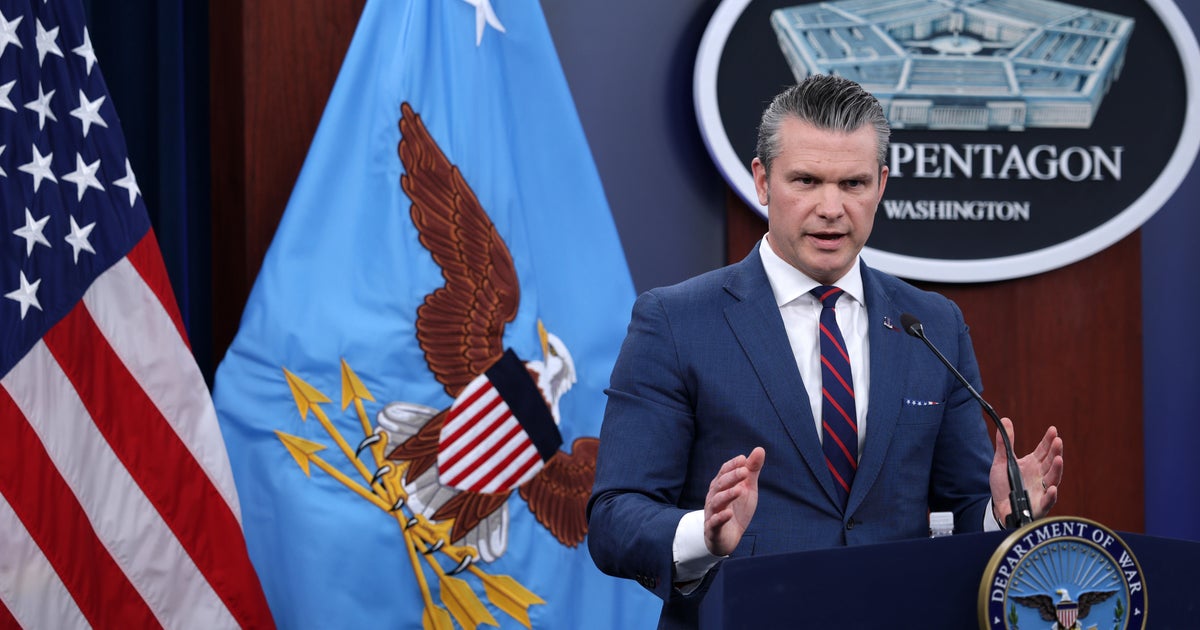
Defense Secretary Pete Hegseth delivered a strong message to Iran on Thursday, making it clear that the United States has both the capability and the resolve to continue military operations for however long it takes. Speaking from Tampa alongside Admiral Brad Cooper, who commands U.S. Central Command and oversees American forces throughout the Middle East, Hegseth pushed back against what he believes are Iranian assumptions that America will eventually tire of the fight. “Our timeline is ours and ours alone to control,” Hegseth stated firmly, emphasizing that the United States will not be pressured by Iranian expectations or calculations. As Operation Epic Fury entered its sixth day, the defense secretary wanted to make one thing abundantly clear: this is a marathon, not a sprint, and the U.S. military is prepared to go the distance regardless of how long that journey might be.
Operation Epic Fury Enters Critical New Phase
The briefing in Tampa marked an important moment in the ongoing conflict, with Admiral Cooper outlining the next phase of what has been named Operation Epic Fury. According to Cooper, U.S. forces are now shifting their focus toward a more strategic objective: the systematic dismantling of Iran’s missile production capabilities. This represents a significant escalation in the campaign’s ambitions, moving beyond immediate tactical strikes to targeting the infrastructure that allows Iran to continue producing the weapons it has used against American interests and allies in the region. Cooper acknowledged that this mission, which is already underway, will not be accomplished overnight. “This will take some time,” he admitted, setting expectations for an extended campaign that goes beyond quick strikes and aims for long-term degradation of Iranian military capabilities. This new phase signals that the United States is committed not just to responding to immediate threats but to fundamentally weakening Iran’s ability to project power in the region for years to come.
Tragic Losses and the Human Cost of Conflict
The briefing came against the somber backdrop of American casualties, with six U.S. Army Reserve members having lost their lives in the ongoing operations. Hegseth revealed that these brave service members were killed when an Iranian munition struck a tactical operations center in Kuwait, bringing home the very real dangers that American military personnel face even in what are considered relatively secure rear-area facilities. These deaths represent the first American combat fatalities in this conflict and serve as a painful reminder that military operations, no matter how technologically advanced or carefully planned, ultimately put real people in harm’s way. The loss of these six reservists—citizen soldiers who balanced military service with civilian lives back home—has undoubtedly sent shockwaves through their communities and families. Admiral Cooper had previously addressed these losses in a social media video released on Monday night, expressing his condolences to the families and honoring the sacrifice these service members made in defense of their country.
Massive Military Deployment Represents Generational Commitment
The scale of the American military commitment to Operation Epic Fury is genuinely staggering and represents the largest U.S. buildup in the Middle East in an entire generation. According to Admiral Cooper’s operational update from earlier in the week, the United States has deployed more than 50,000 troops to the region, supported by approximately 200 fighter aircraft, two complete carrier strike groups, and strategic bombers. In just the opening days of the campaign, American forces had already struck nearly 2,000 targets using over 2,000 munitions, demonstrating both the intensity and scope of the operation. This level of commitment hasn’t been seen in the Middle East since the height of operations in Iraq and Afghanistan, signaling that the United States views the threat from Iran as requiring a response of historic proportions. When Hegseth said the U.S. has “no shortage of munitions,” he was making a deliberate point to counter any perception that America’s military resources are stretched thin or that the operation cannot be sustained indefinitely.
Regional Allies Face Critical Defense Shortages
While the United States may be confident in its ability to sustain military operations, the same cannot be said for America’s Arab allies in the Persian Gulf region. CBS News reported Thursday that these nations are running dangerously low on interceptors—the defensive missiles used to shoot down incoming Iranian attacks. This creates a troubling asymmetry in the conflict: while the U.S. has assured that it has sufficient offensive munitions to continue striking Iranian targets, the countries that are geographically closest to Iran and most vulnerable to retaliation are struggling to maintain adequate defensive capabilities. This shortage of interceptors among Gulf allies could have significant implications for the broader regional security architecture and may require the United States to step in with either additional defensive systems or accelerated munitions transfers. The situation highlights the complex nature of modern Middle Eastern conflicts, where America’s ability to project power must be balanced against the defensive needs of partner nations who face more immediate and sustained threats from Iranian missile and drone attacks.
Strategic Patience and the Long Game
The Thursday briefing revealed a U.S. strategy built on strategic patience rather than quick victory. When Hegseth emphasized on Wednesday that Operation Epic Fury was “just getting started,” he was preparing both the American public and international observers for an extended campaign that will unfold over weeks or possibly months rather than days. The announcement that a U.S. torpedo had sunk an Iranian warship—the first time the U.S. Navy has accomplished such a feat since World War II—demonstrated that this operation includes capabilities and tactics that haven’t been employed in modern conflicts. This historical echo serves as both a practical military achievement and a symbolic message about American resolve. As Admiral Cooper and his team at Central Command headquarters plan the systematic dismantling of Iran’s missile production infrastructure, they’re engaging in the kind of strategic campaign that requires sustained political will, consistent resource allocation, and public patience. The defense establishment is clearly banking on the American public’s willingness to support an operation that, while costly in both treasure and potentially in lives, aims to address what they see as a fundamental threat to regional stability and American interests in the Middle East for the foreseeable future.