



Tax Refunds Set to Surge in 2026: How Americans Plan to Use Their Windfall
A Welcome Financial Boost on the Horizon
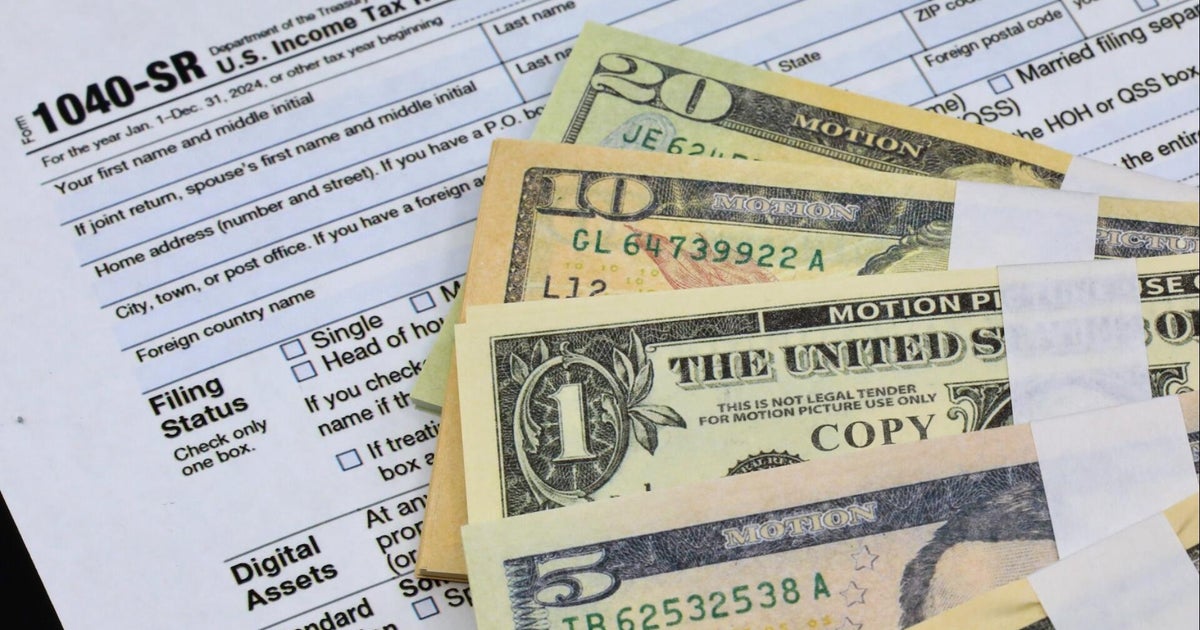
Americans are in for a pleasant surprise when tax season rolls around in 2026, with refunds expected to be significantly larger than in previous years. This financial boost comes courtesy of legislation signed into law by President Trump last summer, which he dubbed the “big, beautiful bill.” According to projections from Wall Street analysts and data compiled by Bank of America Global Research, the average tax refund could jump by approximately 30% compared to the previous year. In concrete terms, this means the typical American household could see their refund check increase by roughly $1,000, bringing the average refund to around $4,000. For many families, this represents the single largest check they’ll receive all year, making it a crucial component of their financial planning. Early indicators from the IRS suggest this trend is already underway, with current refunds running about 14% higher than they were at the same point last year. Financial experts note that these numbers typically climb even higher as tax season progresses, since higher-income households, who generally receive larger refunds, tend to file their returns closer to the April 15 deadline rather than rushing to submit early in the season.
Debt Reduction Takes Top Priority
When it comes to deciding how to spend this unexpected windfall, Americans are showing fiscal responsibility by prioritizing debt reduction above all else. According to a recent Bank of America survey conducted this month, approximately 36% of respondents indicated they plan to use their IRS refund to pay down existing debts. This sensible approach reflects the growing debt burden many American households are carrying, as household debt in the United States has reached record highs in recent months. The accumulation of debt has been driven by several factors, including increased reliance on credit cards to cover everyday expenses and the necessity of taking out larger loans to afford big-ticket items like cars and homes, both of which have seen substantial price increases in recent years. Matt Schulz, chief consumer finance analyst at LendingTree, notes that this debt-focused approach isn’t a new phenomenon but rather continues a trend that has been consistent over several years. During the 2025 tax season, about 34% of consumers told LendingTree they intended to use their refund checks to eliminate debt, showing remarkable consistency in Americans’ financial priorities. Schulz points to a pattern that emerged during the pandemic, when many Americans used their government stimulus payments to pay down debts, suggesting that “people tend to do the right thing when they get a windfall.” This practical approach to managing unexpected income demonstrates a level of financial maturity and awareness among American consumers who recognize the long-term benefits of reducing debt rather than splurging on immediate gratification.
Alternative Uses for Refund Money
While debt reduction dominates the list of planned uses for tax refunds, Americans have other financial priorities as well. The Bank of America survey revealed that about 10% of respondents plan to use their refund to make a major purchase, while another 10% intend to cover everyday expenses with the money. These responses highlight the diverse financial situations Americans find themselves in—some have the flexibility to make significant purchases they’ve been postponing, while others are simply trying to keep up with the regular costs of daily life. Additionally, approximately 13% of survey participants said they expect to direct their refund money toward savings, a financially prudent choice that can help build emergency funds or work toward longer-term financial goals. This variety in planned uses reflects the economic diversity across American households and the different financial pressures people face. For some, the refund represents an opportunity to finally replace a failing appliance or make a necessary home repair. For others, it’s a chance to catch up on bills that have been piling up or to create a financial cushion against future uncertainties. The fact that savings ranks as a priority for a notable percentage of recipients shows that many Americans are thinking beyond immediate needs and considering their future financial security, even when presented with a lump sum of money that could easily be spent on more immediately gratifying purchases.
Building Financial Resilience
The positive impact of larger tax refunds extends beyond the immediate moment when the check arrives in the mail or the deposit hits the bank account. Research from the Bank of America Institute, published in a February 11 report, reveals that tax refunds have been helping to bolster the financial resilience of millions of American households over an extended period. The study found that between 2023 and 2025, low- and middle-income Americans tended to keep at least some portion of their refund money in their bank accounts for six months or longer. This behavior pattern is particularly significant because it demonstrates that these households are using their refunds not just as a quick fix for immediate financial pressures but as a tool for building longer-term financial stability. By maintaining these funds in their accounts, these families create a buffer against unexpected expenses, reduce the need to rely on high-interest credit cards for emergencies, and generally improve their overall financial health. The ability to hold onto refund money for half a year or more suggests that recipients are exercising restraint and planning, resisting the temptation to spend the entire amount immediately. This trend is encouraging news for financial advisors and economists who have long advocated for better savings habits among Americans, particularly those in lower and middle-income brackets who may have limited opportunities to build wealth through other means.
Not Everyone Expects a Refund
Despite the optimistic projections about supersized refunds, the reality is that not all Americans will be celebrating come tax time. The Bank of America survey revealed that about 32% of respondents don’t expect to receive any refund from the IRS this year. This substantial portion of the population may have had their taxes withheld more accurately throughout the year, meaning they paid approximately the right amount and therefore won’t see a significant refund. Others might actually owe money to the IRS, turning tax season from a time of financial relief into a period of additional stress and expense. The reasons for not receiving a refund vary widely and can include changes in employment status, adjustments to withholding rates, increases in income that weren’t properly accounted for in withholding calculations, or life changes such as getting married, divorced, or having children that affect tax situations. Some financial experts actually view not receiving a large refund as a sign of good tax planning, since a refund essentially represents an interest-free loan that taxpayers have given to the government throughout the year. From this perspective, breaking even or owing a small amount means you’ve had the use of your money throughout the year rather than waiting for the government to return it. However, for the majority of Americans who count on that annual refund as a significant financial event, the psychological and practical benefits of receiving a lump sum often outweigh the technical inefficiency of overwithholding.
The Bigger Picture of American Finances
The supersized tax refunds expected in 2026 arrive at a crucial time for American households navigating a complex economic landscape. The record levels of household debt, rising costs of living, and persistent financial pressures make these larger refunds particularly meaningful for millions of families. The fact that so many Americans plan to use their refunds responsibly—whether paying down debt, building savings, or covering essential expenses—reflects both the financial challenges people face and their determination to improve their situations. The trend of using windfalls wisely, which Schulz traces back to the pandemic stimulus payments, suggests that Americans have learned valuable lessons about financial management during recent turbulent economic times. As tax season progresses and these larger refunds begin flowing into bank accounts across the country, they’ll provide not just immediate financial relief but also opportunities for Americans to make progress toward longer-term financial goals. Whether that means finally becoming free of credit card debt, building an emergency fund, or simply having the breathing room to cover expenses without constantly worrying about making ends meet, these refunds represent more than just money—they represent hope, opportunity, and a chance for financial renewal. As we move through 2026, the impact of these supersized refunds will ripple through the economy, potentially boosting consumer confidence, reducing financial stress, and helping millions of Americans take meaningful steps toward greater financial security and stability.