
Brazilian Soccer Match Descends Into Chaos: 23 Red Cards and Military Police Intervention
Unprecedented Violence Mars Championship Final
In what has been described as one of the darkest moments in Brazilian soccer history, a championship match between fierce rivals Cruzeiro and Atletico Mineiro descended into absolute chaos during its final moments, resulting in an unprecedented 23 red cards being issued to players. The violent brawl, which erupted in the closing seconds of the Campeonato Mineiro final, was so severe that military police had to intervene to restore order on the pitch. What should have been a celebration of regional soccer excellence instead became a disturbing spectacle that shocked fans in the stadium and millions watching at home. The incident has sparked widespread condemnation and renewed calls for stricter discipline in Brazilian football, raising serious questions about sportsmanship and the example being set for young fans who idolize these professional athletes.
How the Brawl Erupted and Spread Across the Field
The violence was triggered by what initially appeared to be a routine challenge near the goal. Cruzeiro midfielder Christian made a tackle on Atletico goalkeeper Everson in the dying moments of the match. However, Everson’s response was anything but routine or acceptable. Video footage captured the goalkeeper rugby-tackling Christian to the ground before dropping both knees onto his head in a shockingly brutal attack that immediately escalated tensions. This aggressive retaliation set off a chain reaction that quickly spiraled out of control. Within seconds, players from both teams rushed to the scene, transforming what started as an isolated incident into a full-scale brawl that lasted more than a minute. The fighting spread across the field like wildfire, with substitutes abandoning the bench, coaching staff members getting involved, and security personnel struggling to contain the mayhem. Punches were thrown, kicks were landed, and the beautiful game was reduced to something more resembling a street fight than professional sport. The chaos moved from one end of the pitch to the other as the violence showed no signs of naturally subsiding, ultimately requiring the intervention of military police to finally separate the warring factions.
Hulk’s Involvement and Public Apology
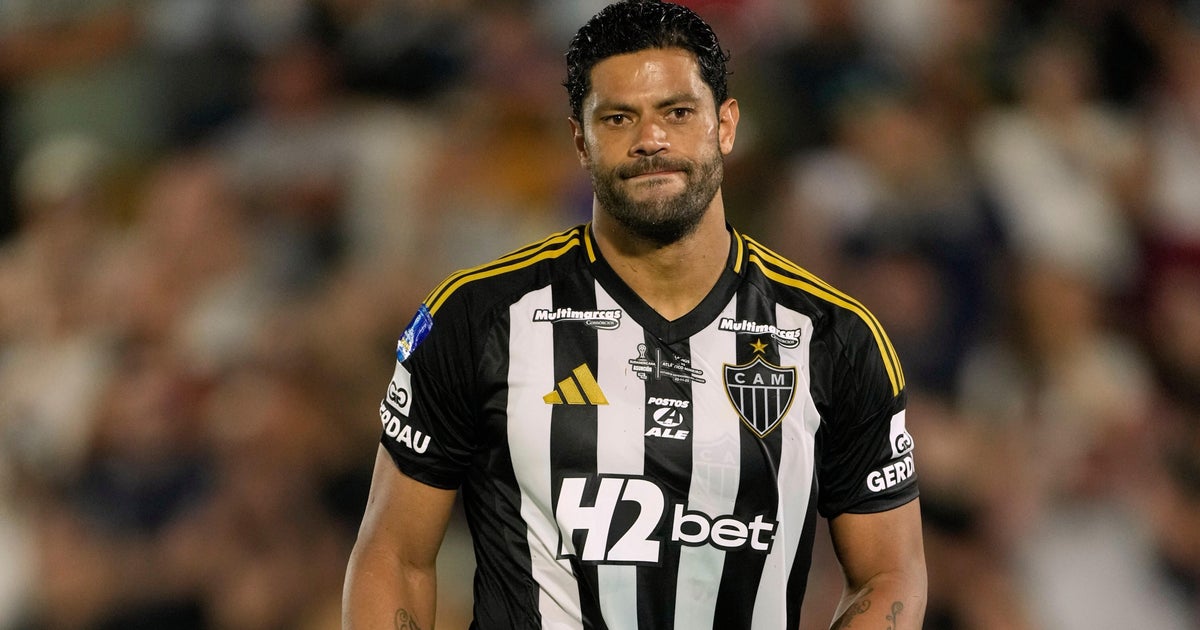
Among the 23 players shown red cards was Hulk, one of Brazil’s most recognizable football stars and a former international player who has represented his country on the world stage. The veteran forward, who plays for Atletico Mineiro, was captured on video footage that spread rapidly across social media platforms punching an opponent on the back of the head before himself being kicked in the chest during the melee. The involvement of such a high-profile player in the violence added another layer of controversy to an already shameful incident. Recognizing the severity of his actions and the platform he holds as a role model, Hulk took to Instagram the following day to issue a public apology and acknowledge his mistakes. “We need to acknowledge our mistakes and learn from them,” he wrote in his statement. “What happened yesterday does not represent the values that soccer should embody. Rivalry is part of the sport, but respect must always prevail over any emotion.” He went further, specifically apologizing to those who witnessed the violence firsthand in the stadium, those who watched it unfold on television, and most importantly, to the children who look up to football players as heroes and examples to follow. “What we saw on the pitch is not the example we want to set,” Hulk added, demonstrating at least some understanding of the broader implications of his actions beyond just the immediate consequences of a red card and potential suspension.
Unprecedented Discipline: The Red Card Count
The sheer number of red cards issued following the brawl is virtually unprecedented in professional soccer at any level. According to statistics provided by both teams, Cruzeiro had 12 players sent off while Atletico had 11, totaling 23 dismissals in a single match—a number that speaks to both the scale of the violence and the referee’s determination to punish everyone involved. This mass sending-off raises practical questions about how matches should be managed when they deteriorate to such an extent, as well as what additional sanctions might follow from league officials and soccer governing bodies. The fact that more than the combined number of starting players from both teams received red cards illustrates just how many people became involved in the fighting, including substitutes who had not even been participating in the match itself. The incident will likely prompt discussions about whether current disciplinary measures are sufficient to deter such behavior, or whether more severe penalties—including lengthy bans, substantial fines, or even matches played behind closed doors without fans—should be implemented to prevent future occurrences of this nature.
Official Responses and Commitment to Change
In the aftermath of the violence, both clubs issued statements attempting to distance themselves from the behavior of their players while acknowledging the seriousness of what had occurred. Atletico Mineiro posted a statement on social media emphasizing that “its athletes do not condone any form of violence in football.” The club’s official statement read: “At the end of the match played this Sunday at Mineirão Stadium, valid for the final of the Campeonato Mineiro, regrettable scenes of mutual aggression involving athletes on the field were recorded. The Club reaffirms its commitment to respect, to fair play, and to the values that should guide the sport. Internally, we will take the necessary measures to ensure that situations like this do not repeat.” This carefully worded response acknowledged the incident while promising internal action, though it stopped short of specifying exactly what measures would be taken or what consequences individual players might face beyond their red cards. The statement attempts to balance accountability with damage control, recognizing that the club’s reputation has been severely damaged while trying to reassure fans and stakeholders that steps will be taken to prevent future incidents.
The Aftermath: Victory Overshadowed by Violence
Despite the chaotic and violent conclusion to the match, there was still a sporting outcome to be determined. Cruzeiro emerged victorious with a 1-0 win over their rivals, claiming the Campeonato Mineiro championship and becoming the state champions of Minas Gerais. However, what should have been a moment of pure celebration and achievement was inevitably overshadowed by the shameful scenes that followed the final whistle. Cruzeiro coach Tite, a respected figure in Brazilian football, addressed fans after the match, though his comments focused more on gratitude and his relationship with supporters rather than directly addressing the violence. “I want to convey to the Cruzeiro fans the affection and respect I have for them,” he said, according to Reuters. “I may lack competence at times, but respect for the fans, the work, the dignity, the honesty, that’s what counts.” The incident serves as a stark reminder that rivalries in sports, while adding passion and excitement, can cross dangerous lines when respect and sportsmanship are abandoned. The images of military police separating professional athletes, of players throwing punches instead of celebrating or commiserating appropriately, will likely define this championship match far more than the actual football played or the goal that determined the winner. For Brazilian football, this incident represents a moment of reckoning—a chance to examine what values are truly being promoted and what measures must be taken to ensure that the beautiful game doesn’t continue to be marred by such ugly violence.