
The Death of Ian Huntley: The End of One of Britain’s Most Haunting Criminal Cases
A Brutal End to a Notorious Life
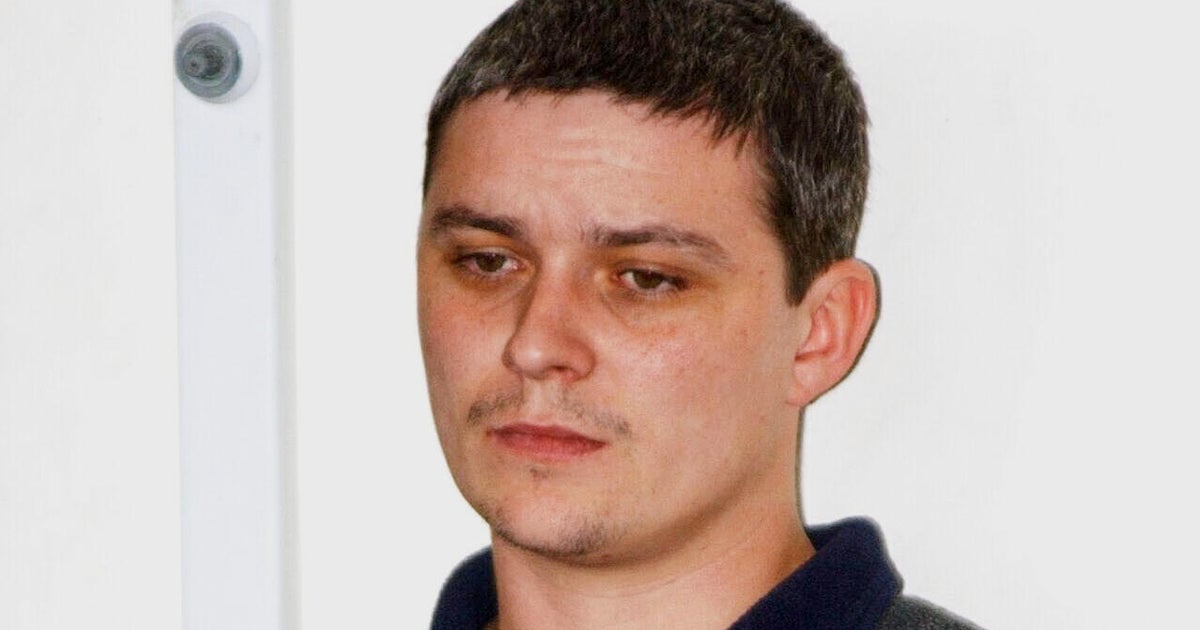
Ian Huntley, one of Britain’s most reviled child killers, died on Saturday following a violent attack behind bars that shocked the nation once again. The 52-year-old former school caretaker, who had been serving a life sentence since 2003 for murdering two innocent 10-year-old girls, succumbed to his injuries days after being brutally beaten by a fellow prisoner. The attack occurred on February 26th in the workshop area of Frankland prison, a maximum-security facility located in northeast England. According to reports, Huntley was struck repeatedly over the head with a metal bar, leaving him in critical condition on life support before he ultimately passed away. His death brings a dark conclusion to a story that has haunted British society for more than two decades, reopening wounds for the families of his victims and reminding the nation of one of its most disturbing criminal cases.
The Soham Murders: A Nation Held in Suspense
The crimes that landed Huntley in prison remain etched in Britain’s collective memory as one of the most heartbreaking tragedies in the country’s history. On August 4, 2002, best friends Holly Wells and Jessica Chapman disappeared from the quiet village of Soham in eastern England. The two 10-year-old girls had simply stepped out from a family barbecue to buy candy from a local store—a routine errand that should have been completely ordinary. Instead, they vanished without a trace, setting off a massive search operation that would grip the entire nation for thirteen agonizing days. During this period, law enforcement held out hope that the girls might still be found alive, launching one of the largest missing persons investigations in British history. A photograph of Holly and Jessica wearing matching red Manchester United football shirts, taken shortly before they disappeared, became an iconic and heartbreaking image that dominated newspaper front pages and television broadcasts across the country. The photo symbolized the innocence that had been stolen and became a rallying point for a nationwide effort to bring the girls home safely.
An Outpouring of National Grief
The disappearance of Holly and Jessica touched something deep within the British public, prompting an extraordinary display of community concern and national solidarity. Thousands of people from across the country made pilgrimages to Soham, transforming the small village into a focal point of collective grief and hope. Outside the local church, mourners left hundreds upon hundreds of flower bouquets, creating a sea of tributes that reflected the deep emotional impact the case had on ordinary citizens. People who had never met the girls or their families felt compelled to show their support, demonstrating how profoundly the case resonated with parents and communities everywhere. The massive public response highlighted society’s protective instincts toward children and the universal horror at the thought of young lives being cut short. After thirteen days of searching, the worst fears were confirmed when a group of hikers made the grim discovery of the girls’ remains beside a dirt path in a wooded area just a few miles from Soham. The U.K. Ministry of Justice later acknowledged the enduring impact of the tragedy, stating that “The murders remain one of the most shocking and devastating cases in our nation’s history, and our thoughts are with their families.”
The Trial and Conviction
Ian Huntley maintained his innocence throughout his trial at London’s Central Criminal Court in 2003, but the evidence against him proved overwhelming. The former school caretaker was ultimately convicted of murdering both Holly Wells and Jessica Chapman, receiving a life sentence with a recommendation that he serve a minimum of 40 years before being considered for parole. The case was particularly disturbing because of Huntley’s position of trust within the community—as a school caretaker, he was someone who should have been protecting children, not harming them. Adding another layer to the case was the involvement of Maxine Carr, Huntley’s girlfriend at the time of the murders. Carr worked as a teaching assistant at the same elementary school that Holly and Jessica attended, meaning both perpetrators had daily contact with the victims. During the search for the missing girls, both Huntley and Carr had brazenly spoken to reporters covering the story. Huntley cynically told journalists he believed he was one of the last people to see the girls alive, while Carr manipulated public sympathy by claiming she would always treasure a card Holly had drawn for her. After the truth emerged, Carr was charged with perverting the course of justice for providing Huntley with a false alibi. She served 21 months in prison and has since been living under a new identity, protected by the courts due to concerns for her safety.
A Life Marked by Violence Behind Bars
Huntley’s years in prison were characterized by repeated violence, as he became a marked man among the inmate population. Child killers occupy the lowest rung in the prison hierarchy, often becoming targets for attacks by other prisoners who view crimes against children as particularly heinous. Huntley was kept under close protection alongside other notorious killers, yet this security couldn’t entirely shield him from harm. He survived multiple attempts on his life during his two decades behind bars, with one particularly serious incident occurring in 2010 when another inmate slashed his throat. These attacks reflected the deep hatred many prisoners harbored toward him for his crimes. British media have reported that the fatal attack in February 2025 was carried out by Anthony Russell, a 43-year-old convicted murderer and rapist also serving time at Frankland prison. The use of a metal bar as a weapon suggests a level of premeditation and brutality that underscores how despised Huntley was even among a population of serious criminals. The Durham Constabulary has launched an investigation into the circumstances surrounding the attack and Huntley’s subsequent death, with a file being prepared for the Crown Prosecution Service to determine whether charges will be filed against his attacker.
A Closing Chapter That Brings No Closure
The death of Ian Huntley marks the end of a criminal whose name became synonymous with unfathomable evil in British society. For more than twenty years, he has been alive while Holly Wells and Jessica Chapman have been gone—a fact that has undoubtedly caused continued pain for their families, who have had to live with their loss while knowing their daughters’ killer was still breathing. While some may view Huntley’s violent death as a form of rough justice, it ultimately cannot undo the immeasurable harm he caused or bring back the two young lives he destroyed. The Soham murders fundamentally changed how British society thinks about child safety, leading to reforms in background checking procedures for those working with children and heightening parental awareness about potential dangers. The case also highlighted the power of media coverage in missing persons cases and demonstrated both the best and worst of human nature—the compassion of thousands who tried to help, contrasted with the depravity of one man who betrayed every trust. As the legal process continues regarding the circumstances of Huntley’s death, the families of Holly and Jessica continue to live with an absence that no amount of justice, conventional or otherwise, can truly fill. The photograph of two smiling girls in red football shirts remains a poignant reminder of innocence lost and a nation’s enduring grief.