



The Invisible Burden: Ilia Malinin Opens Up About Olympic Pressure
The Fall of a Champion
Ilia Malinin, the talented 21-year-old figure skater known to fans as the “Quad God,” experienced every athlete’s nightmare at the 2026 Winter Olympics in Milan, Italy. Heavily favored to capture gold in the men’s individual event, Malinin instead stumbled through what would become one of the most difficult performances of his career, finishing a disappointing eighth place. The skater, who had dazzled audiences worldwide with his signature quadruple axel and secured the world championship title, found himself falling multiple times during his free skate routine and was unable to execute the very jump that had made him famous. In the immediate aftermath, speaking to reporters with visible emotion, Malinin acknowledged the crushing weight of Olympic expectations: “All I know is that it wasn’t my best skate, and it was definitely something I wasn’t expecting. And it’s done, so I can’t go back and change it, even though I would love to.” His words captured not just personal disappointment, but the universal truth that even the most prepared athletes can find themselves overwhelmed when the world is watching.
A Powerful Message About Mental Health
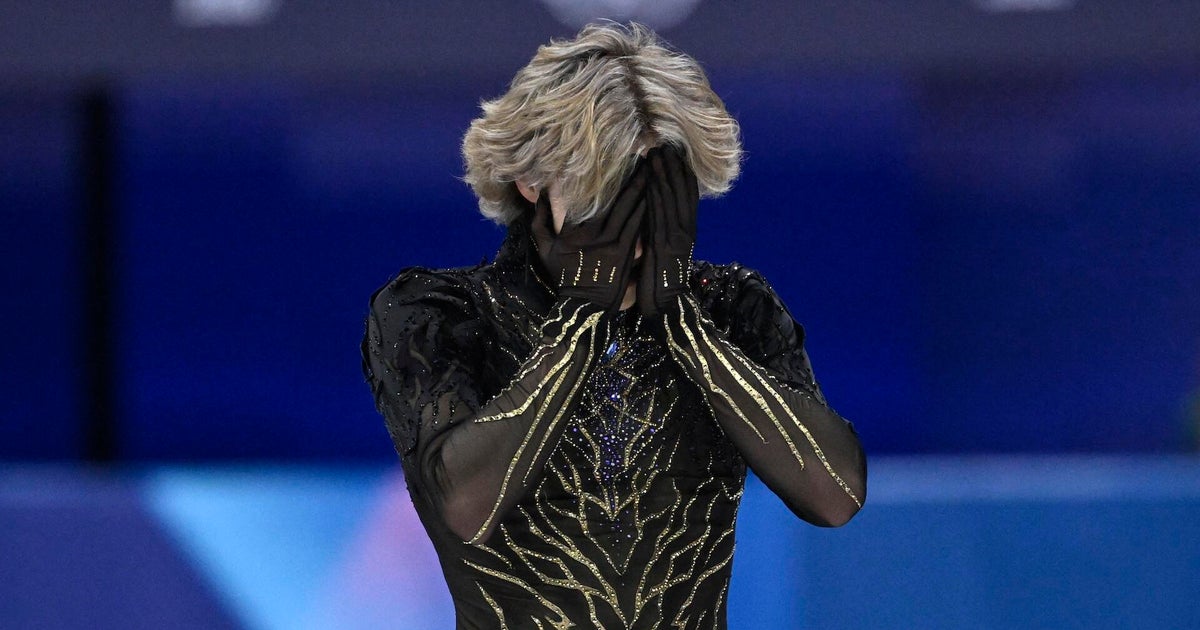
Three days after his difficult performance, Malinin took to Instagram to share something deeply personal with his followers—a video that painted the complete picture of his Olympic experience, including both the highs and the devastating lows. The compilation featured images of his triumph in the team event, where he had secured a gold medal just days before his individual competition, contrasted starkly with black-and-white footage of him with his head buried in his hands. But it was the accompanying message that truly resonated with athletes and fans alike. “On the world’s biggest stage, those who appear the strongest may still be fighting invisible battles on the inside,” Malinin wrote with remarkable vulnerability. “Even your happiest memories can end up tainted by the noise. Vile online hatred attacks the mind and fear lures it into the darkness, no matter how hard you try to stay sane through the endless insurmountable pressure. It all builds up as these moments flash before your eyes, resulting in an inevitable crash.” The young champion’s willingness to speak openly about the mental toll of elite competition and the impact of social media criticism represented a significant moment in the ongoing conversation about athlete mental health. His video teased a fuller telling of his story, scheduled to come during an exhibition skate at the end of the Games.
Team USA’s Mental Health Strategy
Understanding the immense psychological pressure athletes face, Team USA has developed comprehensive mental health support systems designed to help competitors manage the unique stresses of Olympic competition. Dr. Jessica Bartley, who serves as the senior director of psychological services for the U.S. Olympic and Paralympic Committee, explained to CBS News that the Olympic environment creates pressure unlike anything athletes experience in their regular competition circuits. The quadrennial nature of the Games means athletes often have just one chance every four years to achieve their dreams, and the scale of the venues, the size of the crowds, and the global attention combine to create an almost overwhelming atmosphere. According to Dr. Bartley, the committee focuses particularly on preparing first-time Olympians, recognizing that no amount of success at other competitions can fully prepare an athlete for the Olympic experience. “We’re trying to get veterans involved, who’ve been there before, who can talk to them,” she explained. “So, it may feel like the first time, but we walk them through a lot of the nuance of what this is gonna look like well before it happens.” This peer mentorship approach, combined with professional psychological support, aims to equip athletes with the mental tools they need before they ever step into the arena.
The Aquarium Effect: When Preparation Isn’t Enough
Even with the most thorough preparation and support systems in place, some aspects of Olympic competition simply cannot be fully anticipated or controlled. Gracie Gold, a former U.S. figure skater who won Olympic bronze and has been courageously open about her own mental health struggles, offered insight into why even well-prepared athletes can find themselves struggling when things don’t go as planned. Gold described the experience of competing at the highest level as uniquely isolating, despite being surrounded by thousands of spectators. “You’re alone in a way,” she told CBS News. “Sometimes I call it the aquarium effect, where you’re like, in the tank, and everyone’s like, staring. When stuff starts to go wrong, that’s not exactly an environment that’s conducive for calmness.” This vivid description captures the paradox of Olympic competition—athletes are simultaneously in the global spotlight yet profoundly alone in their moment of crisis. When a performance begins to unravel, as Malinin’s did, the athlete must continue to perform while processing disappointment, managing fear, and trying to salvage what remains of their routine, all while millions watch. Gold’s perspective as someone who has lived through similar experiences lends weight to Malinin’s message about the invisible battles athletes fight.
No Right Way to Cope
In discussing how athletes should handle devastating disappointments like Malinin’s eighth-place finish, Gracie Gold emphasized an important truth: there is no universal formula for processing such experiences. “There’s no right or wrong way to handle the kind of situation Malinin found himself in,” she observed. “The right way is whatever will make the athlete feel better and, most importantly, feel safe again.” This compassionate perspective acknowledges that each athlete must find their own path through disappointment, and that recovery looks different for everyone. Some athletes might need to speak publicly about their experiences, as Malinin chose to do. Others might prefer privacy and time away from the spotlight. Some might benefit from immediately returning to competition, while others need a longer recovery period. What matters most is that athletes feel supported in whatever approach helps them heal and regain their confidence. Gold’s emphasis on helping athletes “feel safe again” is particularly significant—it recognizes that a traumatic competitive experience can shake an athlete’s fundamental sense of security in their sport, and that rebuilding that foundation is essential for moving forward.
Moving Forward with Courage
Despite the disappointment of his Olympic performance, Ilia Malinin has demonstrated the resilience that has characterized his career by announcing his intention to compete in the 2026 World Figure Skating Championships in Prague. This decision represents more than just a return to competition—it’s a statement about his determination to define himself by more than one difficult moment. His willingness to share his struggles publicly, rather than retreating from the spotlight, may prove to be one of his most important contributions to the sport. By speaking openly about the “vile online hatred” and “endless insurmountable pressure” that athletes face, Malinin has given voice to experiences that many elite competitors share but few discuss publicly. His message serves as a reminder that athletic excellence and mental health struggles are not mutually exclusive—even the world’s best athletes are human beings dealing with very human challenges. As conversations about mental health in sports continue to evolve, testimonies like Malinin’s help break down the stigma that has long prevented athletes from seeking help or acknowledging their struggles. Whether he reclaims championship glory in Prague or continues to navigate his recovery process, Malinin has already shown a different kind of courage—the courage to be vulnerable and honest about the price of pursuing perfection on the world’s biggest stage.