

Mike Tyson’s Powerful Super Bowl Message: A Personal Battle With Food and Weight
A Champion’s Vulnerable Confession
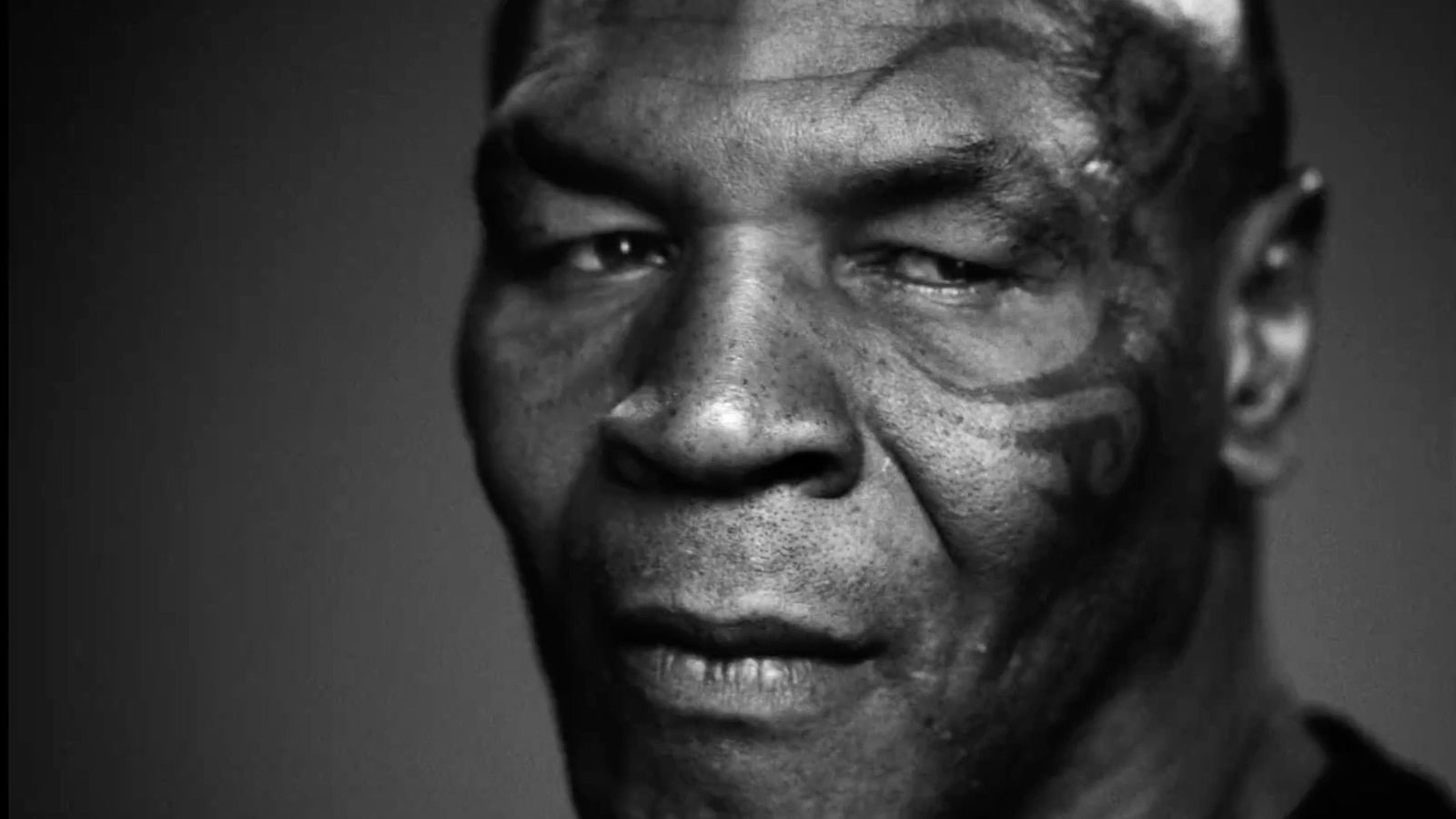
Boxing legend Mike Tyson stepped into an entirely different ring this Super Bowl season, delivering one of the most emotionally raw advertisements viewers have seen during America’s biggest sporting event. In a striking 30-second video sponsored by the MAHA Center—an organization aligned with the Department of Health and Human Services—Tyson opened up about his deeply personal struggle with weight and processed food addiction. The former heavyweight champion didn’t pull any punches, revealing that at his heaviest, he weighed nearly 350 pounds and experienced such profound self-loathing that he contemplated self-harm. With tears visibly streaming down his famous, tattooed face, Tyson shared his journey in an unflinchingly honest way that few public figures, particularly those known for physical dominance and strength, have dared to do. “I was so fat and nasty—I would eat anything,” Tyson confessed directly to the camera, his vulnerability cutting through the typical bravado associated with Super Bowl advertising. This wasn’t a celebrity endorsement for profit; this was a man baring his soul about what he describes as “the most important fight of his life.”
The “Processed Food Kills” Campaign
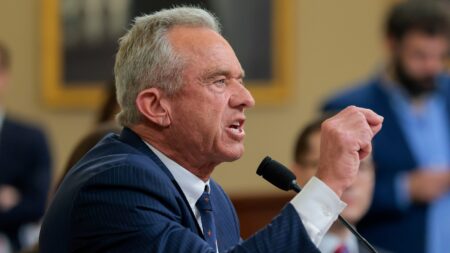
The advertisement, paid for by the nonprofit MAHA Center Inc.—a clear reference to the Trump administration’s “Make America Healthy Again” movement—carries a simple but stark message: processed food kills. Tyson’s commercial launches a broader nationwide campaign that will feature the same messaging in taxicabs across the country, alongside images of the boxing icon. The campaign’s core argument is that excessive consumption of processed foods leads directly to obesity and potentially to premature death. While the MAHA Center itself isn’t officially affiliated with the federal government, its message aligns closely with recent initiatives from Health and Human Services Secretary Robert F. Kennedy Jr., who has made reforming America’s diet and reducing chronic disease a cornerstone of his public health agenda. Kennedy himself praised Tyson’s ad on social media, calling it potentially “the most important message in Super Bowl history” and echoing the campaign’s central rallying cry: “EAT REAL FOOD.” The White House’s official X account even reposted the video with the simple caption “MAKE AMERICA HEALTHY AGAIN,” demonstrating the administration’s enthusiastic endorsement of Tyson’s message.
The Medical Reality Behind Tyson’s Words
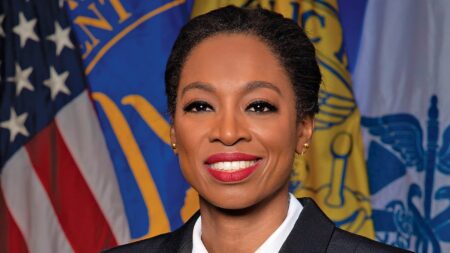
Healthcare professionals largely agree with the substance of Tyson’s message, even if the delivery is unconventional. Dr. Holly F. Lofton, an obesity medicine specialist, told ABC News that excessive consumption of processed foods can indeed lead to a dangerous combination of health problems, including high blood pressure, elevated triglycerides, high cholesterol, cardiovascular disease, stroke, and obesity. Beyond these physical health risks, Lofton explained that certain processed foods can cause the body to become insulin resistant, which triggers a cascade of other problems including persistent hunger, brain fog, and mental health issues. Through the concept of epigenetics, she noted that the preservatives and additives commonly found in manufactured foods can actually activate obesity genes in people who previously didn’t express those genetic markers. This means that the foods we eat don’t just add calories—they can fundamentally alter how our bodies process and store energy. While manufactured and processed foods play a significant role in weight gain, Lofton emphasized that obesity is a complex chronic health condition influenced by multiple factors, including mental health and environmental circumstances, not simply a matter of willpower or personal failure.
A Personal Tragedy That Fuels His Mission
Tyson’s passionate advocacy isn’t just about his own health journey—it’s also deeply personal because of family tragedy. In the video, the former champion revealed that his sister died from a heart attack at just 25 years old during her own struggle with obesity. This devastating loss clearly weighs heavily on Tyson and provides context for the intensity of his message. When he says “I’m not fighting for a belt, I’m fighting for our health,” it’s clear he’s channeling the same fierce determination that made him a world champion, now redirected toward a cause that could save lives. The combination of his personal weight struggle, the suicidal thoughts he experienced during his darkest period, and the loss of his young sister creates a narrative of genuine urgency. Tyson isn’t standing on a pedestal lecturing others—he’s speaking as someone who has walked through the valley himself and emerged with a message he believes the world needs to hear. His willingness to share such intimate details about his mental health struggles, particularly for a man of his generation and background, represents a significant moment in destigmatizing conversations about weight, food addiction, and emotional wellbeing.
The Importance of Compassionate Messaging
While Tyson’s message resonates with many, health professionals caution that conversations about weight require sensitivity and nuance. Dr. Lofton specifically addressed this in her statement to ABC News, emphasizing that “you do not have to feel ashamed about your weight” and that weight management discussions should happen with healthcare providers who can recommend personalized approaches. She stressed that everyone is at a different point in their weight journey with different goals, and that sensitivity around weight discussions is “integral to making the results sustainable.” Healthcare providers also want to remind people that obesity is recognized as a chronic health condition, not a character flaw or simple lack of willpower. For anyone experiencing the kind of hopelessness Tyson described feeling at his lowest point, immediate help is available through resources like the National Lifeline, accessible by calling or texting 988. The balance between Tyson’s powerful, direct messaging and the medical community’s call for compassionate, individualized care represents the tension in public health communication—how do we create urgency around a genuine health crisis while not shaming those currently struggling with weight issues? Tyson’s tears and admission of “self-hate” show the emotional toll of obesity, but experts want to ensure that those watching don’t internalize additional shame, but rather feel empowered to seek help.
Moving Forward: Access, Education, and Real Change
The advertisement concludes with Tyson biting into a crisp apple and directing viewers to RealFood.gov, the government website featuring new food pyramid guidelines. This call to action comes on the heels of a White House event last month where HHS Secretary Robert F. Kennedy Jr. and Agriculture Secretary Brooke Rollins unveiled these new dietary recommendations, encouraging Americans to limit highly processed foods and reduce refined carbohydrates. Kennedy’s enthusiastic response to Tyson’s ad—declaring “We don’t have to be the sickest country in the developed world”—reflects an administration eager to tackle America’s chronic disease crisis through dietary reform. However, public health specialists, while generally supportive of the “eat real food” message, point out that equal access to nutritious foods is a critical piece of the puzzle that simple messaging can’t solve. Fresh fruits, vegetables, and unprocessed proteins are often more expensive and less accessible in low-income neighborhoods than cheap, calorie-dense processed foods. Additionally, these specialists note that excess calories from any source—whether processed junk food or whole foods—can lead to weight gain, meaning the solution requires both better food choices and appropriate portion sizes. Tyson’s powerful testimony may inspire many to reconsider their relationship with food, but lasting change will require systemic solutions that address food deserts, economic inequality, nutritional education, and the food industry’s overwhelming marketing of unhealthy products. Still, if Tyson’s emotional message reaches even a fraction of the Super Bowl’s massive audience and motivates them to make healthier choices or seek help for their own struggles, this may indeed prove to be one of the most important messages in Super Bowl advertising history.