
Global Energy Markets Reel as U.S. Blockades Iranian Ports in Strategic Hormuz Strait
A Dangerous Escalation in a Critical Shipping Lane
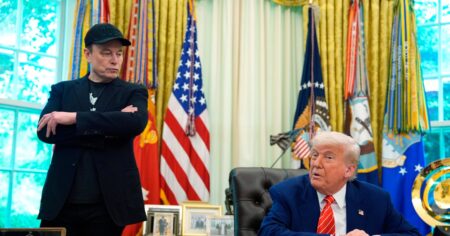
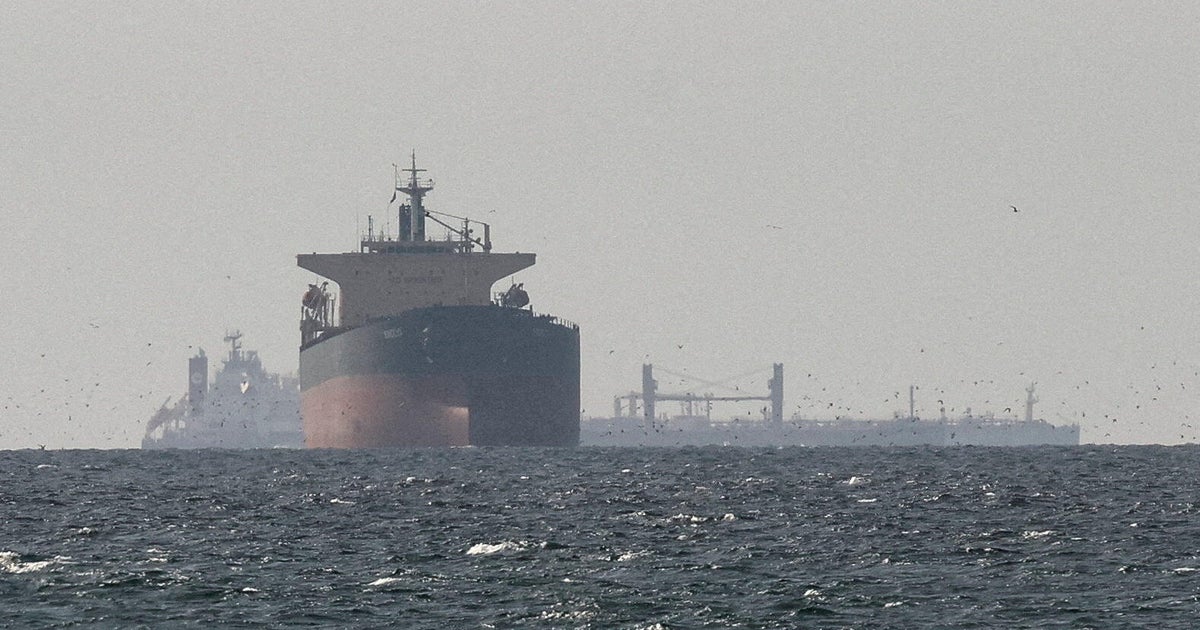
The global energy landscape is facing unprecedented turbulence as the United States has made the dramatic decision to impose a blockade on Iranian ports in the Strait of Hormuz. This move, announced by President Trump on Sunday, has sent shockwaves through international oil markets and raised serious concerns about a potential energy crisis that could ripple across continents, particularly affecting Asian economies. The Strait of Hormuz isn’t just any waterway—it’s the jugular vein of global oil trade, with approximately one-fifth of the world’s oil supplies typically passing through this narrow passage between the Persian Gulf and the Gulf of Oman. The timing couldn’t be more precarious, coming on the heels of intensifying military conflict in the Middle East that has already disrupted energy infrastructure across Gulf states. Energy analysts and geopolitical experts are now warning that what began as a regional conflict could transform into a full-blown global oil crisis, with consumers worldwide potentially facing skyrocketing prices at the pump and industries struggling with mounting energy costs.
Iran’s Shadowy Oil Trade Under Threat
Despite ongoing tensions and previous sanctions, Iran has managed to maintain a steady flow of crude oil to Asian markets throughout the Middle East conflict, thanks in large part to what industry insiders call the “dark fleet”—a network of vessels operating with obscured identities and ownership structures specifically designed to evade international scrutiny and sanctions. This shadow maritime network has been Iran’s lifeline, allowing the country to continue generating revenue from oil exports even under the weight of international pressure. The dark fleet operates by employing various tactics including turning off transponders, conducting ship-to-ship transfers in international waters, and using complex ownership structures that make it difficult to trace the ultimate destination of Iranian crude. For Asian economies, particularly those with growing energy needs and limited domestic resources, Iranian oil has represented an affordable and accessible supply source that helped stabilize their energy markets. However, the new blockade threatens to sever this critical connection, potentially leaving major importing nations scrambling to secure alternative supplies in an already tight global market. The effectiveness of Iran’s dark fleet operations now faces its most significant test, as the physical presence of U.S. naval forces creates an entirely new level of risk that cannot be circumvented through paperwork manipulation or transponder tricks.
The Blockade’s Immediate Impact and Dangerous Implications
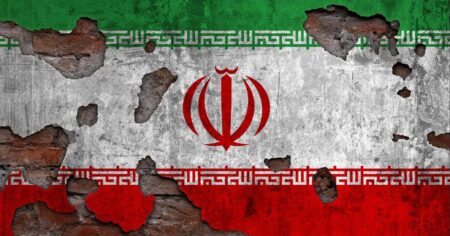
The implementation of the port blockade represents a significant escalation in U.S.-Iran tensions and poses immediate practical and diplomatic challenges. According to Amir Handjani, an expert from the U.S.-based Quincy Institute for Responsible Statecraft, this move comes at a particularly vulnerable moment for global energy supplies, following damage to energy facilities throughout Gulf states caused by recent fighting and the disruption of their exports through the strait. Iran itself had already begun tightening restrictions on maritime traffic in recent weeks, significantly slowing the movement of vessels through the region even before the formal blockade was announced. Now, with the U.S. military positioned to enforce this blockade, the situation has reached a critical juncture that raises profound questions about international maritime law and the potential for direct military confrontation. Handjani poses a troubling scenario: what exactly will the U.S. Navy do when faced with merchant vessels from China, India, and Pakistan—all sovereign nations with their own strategic interests—attempting to load cargo at Iranian ports? The enforcement of such a blockade against third-party nations’ commercial vessels would constitute, in his words, “an act of war,” creating a potential flashpoint for a much broader international crisis that extends far beyond U.S.-Iran bilateral relations.
A Temporary Reprieve That May Be Too Little, Too Late
In what appeared to be an acknowledgment of the potential for economic catastrophe, the United States took the unusual step of temporarily easing some sanctions on Tehran just days after launching coordinated military operations against Iran alongside Israel on February 28th. This tactical retreat was specifically designed to prevent an immediate and abrupt energy shock that would have been particularly devastating for Asian economies, many of which depend heavily on Middle Eastern oil imports to fuel their industries and transportation networks. For a brief period, this sanctions relief allowed Iranian crude to continue flowing to international markets, providing a crucial buffer that helped stabilize global oil prices and ensured that Asian nations could maintain their energy supplies without facing immediate shortages or price spikes. Handjani confirmed that Iranian oil had indeed been playing a vital role in meeting global demand during this tense period, acting as a pressure valve that prevented the conflict from immediately translating into a worldwide energy crisis. However, the announcement of the port blockade threatens to completely undermine this temporary arrangement, disrupting the fragile balance that had been maintained through the partial sanctions relief. The question now becomes whether the limited breathing room provided by the sanctions easing will prove to have been merely a brief postponement of an inevitable crisis rather than a meaningful effort to prevent one.
China’s Strong Objection and the Geopolitical Complications
The geopolitical dimensions of this crisis became even more apparent when China, which holds the distinction of being the world’s largest importer of Iranian crude oil, issued a strongly worded statement on Tuesday characterizing the U.S. blockade as “dangerous and irresponsible.” This reaction from Beijing highlights how energy security issues have become inextricably linked with broader great power competition and the ongoing tensions between the United States and China across multiple domains. For China, Iranian oil represents more than just an energy source—it’s a matter of economic security, foreign policy independence, and resistance to what Beijing views as Washington’s unilateral exercise of power in violation of international norms. The Chinese economy, despite its recent slowdown, remains an enormous consumer of energy resources, and any disruption to its oil supplies carries implications not just for China itself but for the entire global economy given the country’s central role in international manufacturing and trade. The situation places China in a difficult position: does it back down and seek alternative oil supplies, thereby accepting U.S. dictation of its energy relationships, or does it challenge the blockade, potentially escalating the confrontation into a direct U.S.-China standoff? Other major Asian importers of Iranian oil, including India and Pakistan, face similar dilemmas, though perhaps with less capacity to push back against U.S. pressure. The blockade thus transforms what might have remained a regional Middle Eastern conflict into a truly global crisis with the potential to reshape international relationships and challenge the existing global order.
The Economic Consequences: Brace for Higher Oil Prices
The economic implications of this developing crisis are both immediate and far-reaching, with oil prices already on an upward trajectory before the blockade was announced and now positioned for potentially dramatic further increases. Handjani’s prediction that prices will continue to surge reflects the basic economics of supply and demand—when roughly one-fifth of global oil supplies becomes threatened or inaccessible, prices inevitably rise, often sharply and unpredictably. For consumers around the world, this means higher gasoline prices, increased heating costs, and elevated prices for countless products whose manufacturing and transportation depend on petroleum. For businesses, particularly in energy-intensive industries, rising oil costs squeeze profit margins, potentially forcing difficult decisions about production levels, employment, and prices charged to customers. The ripple effects extend throughout the global economy: higher transportation costs affect international trade, increased energy prices contribute to inflation, and economic uncertainty dampens investment and growth. Developing nations with limited foreign exchange reserves may find themselves particularly squeezed, forced to allocate ever-larger portions of their budgets to secure essential energy supplies. Airlines, shipping companies, and logistics firms face immediate cost pressures that typically get passed along to consumers. The situation is further complicated by the fact that global oil markets were already relatively tight before this crisis, with OPEC and other producers maintaining relatively disciplined production levels and global spare capacity limited. In this environment, the removal of significant Iranian supplies from the market cannot easily be compensated for by ramping up production elsewhere, meaning that price spikes could be both severe and sustained. As the world watches this crisis unfold, governments, businesses, and consumers alike are preparing for what could be a painful period of energy market volatility with consequences that extend far beyond the immediate military and diplomatic dimensions of the U.S.-Iran confrontation.