
The Deadly Drone Strike in Kuwait: How Iranian Intelligence Tracked U.S. Forces
Intelligence Failures and Surveillance Ahead of the Attack
In early March 2025, a devastating drone strike claimed the lives of six American service members at a port facility in Kuwait, revealing critical vulnerabilities in U.S. military intelligence and force protection measures. According to a U.S. Army Central memo reviewed by CBS News, Iranian intelligence appears to have successfully identified and tracked American troops who had been relocated from their regular military installations as part of what the Pentagon believed was a protective measure. This tragic incident occurred during the opening stages of a U.S.-Israeli military campaign against Iran, at a moment when American forces thought they were moving to safer positions.
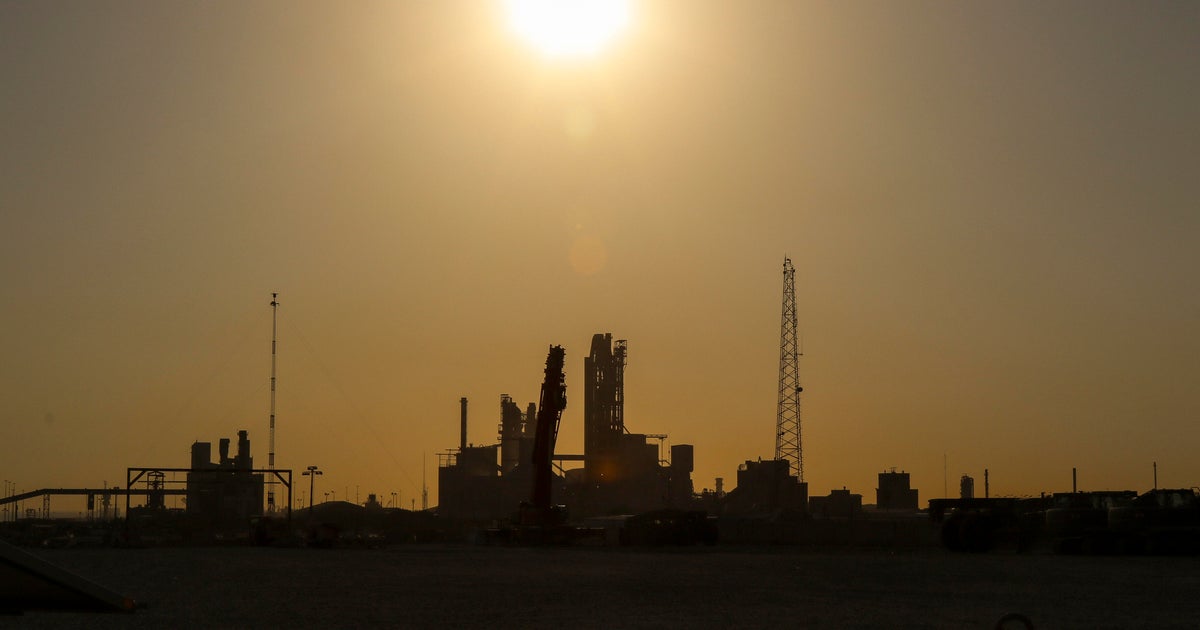
The memo indicates that Iranian-aligned militia groups employed a sophisticated combination of intelligence-gathering capabilities to monitor U.S. troop movements in the region. In the days leading up to the March 1st attack, smaller quadcopter drones were observed flying around the Shuaiba port area in Kuwait, which military officials now believe were conducting reconnaissance missions to pinpoint American positions. Even more concerning, just one day after the fatal strike, U.S. forces discovered GPS transponders attached to balloons or parachutes near Patriot Missile Defense Systems. While the exact purpose of these devices remains unclear, their presence suggests a level of surveillance and preparation that American commanders had not fully anticipated. The tragic irony is that the very measures taken to protect these service members may have inadvertently made them more vulnerable by concentrating forces in a location that Iranian intelligence was actively monitoring.
The “Get Off the X” Strategy That Became a Target
At a Pentagon press conference, Defense Secretary Pete Hegseth and Gen. Dan Caine, chairman of the Joint Chiefs of Staff, explained the force protection strategy that preceded the launch of Operation Epic Fury, the military campaign against Iran. Secretary Hegseth described how the Defense Department had prioritized troop safety above all else, implementing a plan to move over 90% of American personnel stationed at bases in the region “off the X” – military terminology meaning away from known target locations and out of range of Iranian fire. In theory, this dispersal strategy should have reduced the concentration of forces at any single vulnerable point.
However, CBS News learned that the six Americans killed at the Shuaiba port tactical operations center were positioned there specifically as part of this “get off the X” plan. As one military official grimly observed, while the plan to move troops was sound in principle, in this case “the X moved with some of the service members without their knowledge.” What was intended as a safer alternative location became a deadly trap. The troops had been relocated from Camp Arifjan in Kuwait to what commanders believed would be a less obvious target, but Iranian intelligence had apparently tracked this movement and identified the new location. This devastating outcome highlights a fundamental challenge in modern warfare: when your adversary has sophisticated surveillance capabilities, simply moving personnel may not be enough if those movements themselves can be observed and anticipated.
A Makeshift Command Post Without Adequate Defenses
Military officials revealed to CBS News that the facility at Shuaiba port was actually a COOP TOC – a Continuity of Operations Tactical Operations Center. This type of facility serves as a backup command post designed to maintain operational control if the primary tactical operations center becomes compromised. While the structure itself had existed for years to support port operations, it had been repurposed to support the Pentagon’s offensive operations against Iran. According to military sources, a similar arrangement had been used during the 12-day conflict between Israel and Iran the previous year, suggesting this was becoming standard practice for regional operations.
The defenses at this particular operations center were typical of those employed during the Iraq and Afghanistan wars – trailers or cargo containers surrounded by T-walls, which are steel-reinforced concrete barriers. These T-walls could provide reasonable protection against mortars and traditional rocket attacks, but they offered virtually no defense against aerial drone strikes coming from above. A Pentagon spokesperson disputed some aspects of the reporting, claiming the facility “was fortified with 6-foot walls” and calling it a “secure facility.” However, multiple military officials indicated that prior to the attack, there had been serious discussions about whether this location should even be used as a secondary operations center precisely because it concentrated too many personnel in a space that could not be adequately defended against threats from the sky. Disturbingly, despite recommendations that the location should not be used for this purpose, ground commanders decided to proceed with positioning forces there anyway.
Warnings Ignored and Defense Systems That Weren’t There
The circumstances surrounding the attack reveal multiple layers of systemic failure. Military officials told CBS News that warning sirens designed to alert service members to incoming aerial attacks had functioned properly throughout the week leading up to the deadly strike. However, in several prior incidents, hostile drones had already penetrated inside the base perimeter before the warning system activated, reducing the precious seconds available for personnel to seek cover. Survivors could not recall whether the warning siren sounded before the drone struck their operations center on March 1st, suggesting the attack may have come with little or no advance notice.
Even more troubling, officials at the operations center had specifically requested additional Counter-Unmanned Aircraft Systems to defend against the growing drone threat they faced. It remains unclear why these critical defensive resources were not provided. One military official stated bluntly that the port had “no drone defeat capability” at the time of the attack. There were reportedly no American defense systems positioned at Shuaiba port that could intercept incoming drones or other aerial munitions. While Kuwait operated some interceptor systems in the general vicinity, it’s uncertain whether these were activated or positioned to defend the American facility. Secretary Hegseth attempted to explain the tragedy by noting that even with air defenses in place, “every once in a while, you might have one, unfortunately, we call it a squirter, that makes its way through.” In this case, that single drone that evaded defenses struck a concentrated group of American personnel with devastating consequences.
Remembering the Fallen and the Broader Drone Threat
The Pentagon identified the Americans killed in the attack as Major Jeffrey R. O’Brien, Captain Cody Khork, Sergeant First Class Noah Tietjens, Sergeant First Class Nicole Amor, Sergeant Declan Coady (who was posthumously promoted from specialist), and Chief Warrant Officer 3 Robert M. Marzan. All six service members were from the 103rd Sustainment Command based in Des Moines, Iowa. Their deaths represent not just a tactical failure but a profound human tragedy – dedicated professionals who believed they were being positioned for safety but instead found themselves in an undefended target area.
The incident has intensified focus on a challenge the Defense Department has been grappling with since the beginning of the Russia-Ukraine conflict: how to defend against the proliferation of relatively inexpensive drones that can defeat traditional military defenses. Secretary Hegseth created Joint Interagency Task Force 401 specifically to accelerate the Pentagon’s counter-drone efforts. In January, this task force released a comprehensive playbook to help military installation commanders protect their assets from drone threats, with recommendations including protective netting to capture or trigger early detonation of incoming drones, along with reinforced overhead cover. Brigadier General Matt Ross, the task force director, emphasized that these principles apply universally, “whether it’s a forward operating base, an outdoor concert venue or a stadium hosting the World Cup.” Marine veteran and CBS News contributor Elliot Ackerman underscored the urgent need to learn from this tragedy: “The threat that drones play on the battlefield is new and real, as we’ve seen in Ukraine and are now seeing in Iran. In every war, tactics change. This war will be no different. What’s important is to adapt and stay ahead of those changes.” The deaths of these six Americans serve as a painful reminder that adaptation must happen faster, and that force protection cannot be an afterthought in an era when small, cheap drones can defeat billion-dollar defense systems and claim precious lives.