
Iran Forms Interim Leadership Council Following Supreme Leader’s Death
A Nation in Transition After Devastating Attack
The Islamic Republic of Iran finds itself at a critical crossroads following the death of Ayatollah Ali Khamenei, the country’s supreme leader, who was killed in a joint U.S.-Israel military operation on Saturday. Iranian state television confirmed on Sunday that an interim leadership council has been quickly established to guide the nation through this unprecedented crisis. The council, formed in accordance with the country’s constitutional provisions, brings together three key figures: Iranian President Masoud Pezeshkian, the head of the judiciary, and Ayatollah Alireza Arafi, who represents the Guardian Council. This swift governmental response demonstrates Iran’s attempt to maintain stability and continuity of leadership during what officials have characterized as war conditions. The establishment of this temporary governing body comes as the nation mourns not only its supreme leader but also dozens of high-ranking military commanders who perished in what President Donald Trump called a “massive and ongoing operation” against Iran and its regional allies.
Constitutional Framework Guides Leadership Succession
Iran’s constitution explicitly outlines procedures for such extraordinary circumstances, providing a roadmap for the transition of power following the death of a supreme leader. The Guardian Council, a powerful twelve-member body that plays a crucial role in this process, consists of six Islamic jurists known as “faghihs” and six Muslim legal experts specializing in various areas of law. This council’s involvement ensures that the succession process adheres to the Islamic Republic’s foundational principles while maintaining governmental functionality. According to a spokesperson for the Guardian Council, the interim leadership arrangement is designed to be temporary, with the permanent selection of a new supreme leader to be determined “as soon as possible, given the war conditions.” This constitutional mechanism, though rarely invoked in Iran’s modern history, demonstrates the foresight of the nation’s founding documents in preparing for leadership transitions even under the most challenging circumstances. The urgency of the situation has accelerated what might otherwise be a more deliberate process, as the country simultaneously manages both internal succession and external military threats.
President Pezeshkian Addresses the Nation
President Masoud Pezeshkian, who sources indicate was himself a target in Saturday’s devastating attack, made a public appearance on Iranian state television Sunday, confirming that he survived the assault and signaling governmental continuity. His emergence was particularly significant given the widespread targeting of Iranian leadership in the operation. In a pre-recorded video message broadcast nationwide, Pezeshkian sought to project strength and resilience, assuring the Iranian people that “the armed forces of the Islamic Republic are powerfully crushing the enemy’s bases.” His statement, clearly intended to bolster national morale during this time of crisis, suggests that Iran is mounting military responses to the attacks that claimed Khamenei’s life. The president’s visible assumption of his role within the interim leadership council provides a familiar face to guide the nation through uncertainty, even as the full extent of the leadership losses becomes clear. His survival and immediate engagement in governmental responsibilities offers some measure of stability to a nation reeling from the shock of losing its supreme leader and numerous top military commanders in a single coordinated strike.
Iran Vows Response to “Cruel” Attack
Ali Larijani, Secretary of the Supreme National Security Council of Iran, delivered a strongly worded response during a television interview on Sunday, expressing both grief and defiance in the wake of Khamenei’s death. “The passing of a great personality has wounded the hearts of all of us,” Larijani stated, acknowledging the profound loss felt throughout the nation. However, his message quickly turned to warnings directed at the United States and its allies. “Americans should know that by stabbing the hearts of the Iranian nation, their hearts will be stabbed,” he declared, promising that the “cruel” actions taken against Iranian leadership have “angered the people so much that they will never achieve their goals.” This rhetoric reflects the dual challenge facing Iran’s interim leadership: managing the nation’s grief while simultaneously formulating a response to what they characterize as an unprovoked assault on their sovereignty. The vow of retaliation raises concerns about potential escalation in an already volatile region, as Iran’s new leadership seeks to demonstrate strength and determination despite the devastating losses. Larijani’s comments also serve a domestic purpose, rallying the population around the government during a moment of national crisis and vulnerability.
Massive Military Losses Compound Leadership Crisis
The attack that claimed Khamenei’s life also decimated Iran’s top military command structure, creating a dual crisis of both political and military leadership. The Israel Defense Forces reported that approximately 40 Iranian commanders were killed in Saturday’s coordinated strikes across multiple locations in Tehran. Among the most significant casualties was Abdolrahim Mousavi, who served as chief of staff of the armed forces, representing one of the highest-ranking military officials in the Iranian security apparatus. Mousavi had been serving as the successor to Mohammad Bagheri, the previous chief of staff who was killed in an earlier operation designated “Operation Rising Lion” in June 2025, indicating a pattern of systematic targeting of Iran’s military leadership over an extended period. The Israeli Air Force struck seven members of the top Iranian security leadership who had gathered at several locations in the capital, demonstrating sophisticated intelligence capabilities and coordination. The loss of so many senior military officials simultaneously represents an unprecedented blow to Iran’s defense establishment, leaving the interim leadership council to navigate both political succession and military reorganization while facing active hostilities. This systematic elimination of military expertise creates operational challenges that extend far beyond the immediate crisis.
Regional Implications and International Response
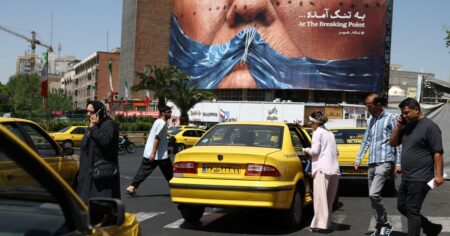
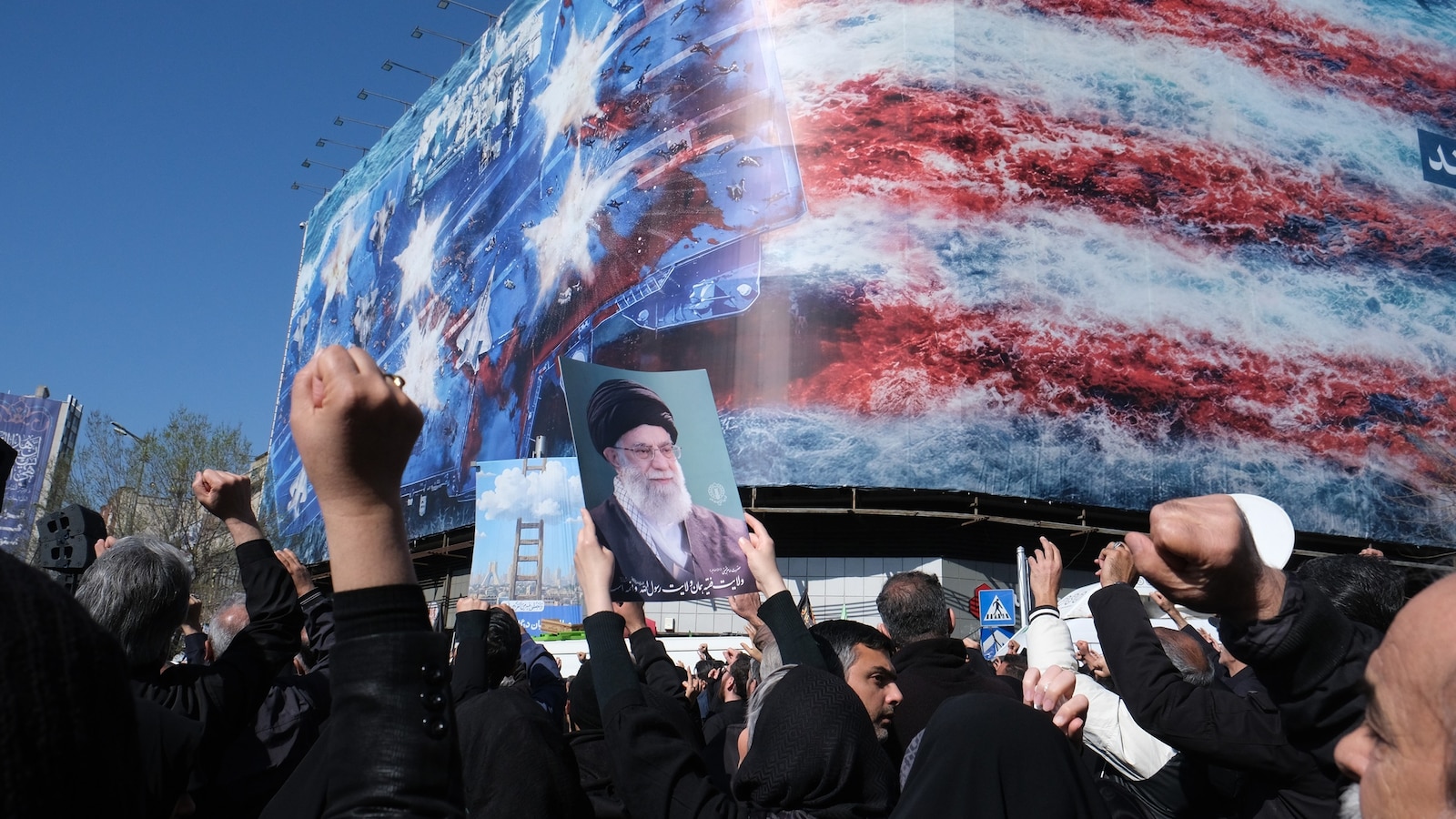
As thousands of Iranians gathered in Revolution Square in Tehran to mourn their fallen leader, the reverberations of this dramatic development are being felt throughout the Middle East and beyond. The attack, which President Trump characterized as targeting not only Iran but also its regional proxies, signals a potentially transformative moment in Middle Eastern geopolitics. ABC News scheduled a special broadcast titled “Shockwaves: The Attack on Iran” to air Sunday night, reflecting the global significance of these events and the international community’s intense interest in how Iran’s transition will unfold. The coming days and weeks will likely prove critical as Iran’s interim leadership council works to establish its authority, coordinate military responses, and navigate the complex process of selecting a permanent supreme leader. The constitutional requirement to expedite this selection due to war conditions adds pressure to an already fraught situation, as different factions within Iran’s political and religious establishment may compete for influence over the succession. Meanwhile, regional allies and adversaries alike are closely monitoring Iran’s response capabilities and the new leadership’s approach to ongoing conflicts and diplomatic relationships. The targeting of Iran’s leadership represents a calculated gamble by the United States and Israel that removing key figures will fundamentally alter Iran’s regional behavior, though history suggests that such strategies often produce unpredictable consequences and potential escalation rather than the intended deterrence.