


Iran Executes Three Men Amid Growing Fears of Mass Hangings During Regional Conflict
Controversial Executions Spark International Outcry
On Thursday, Iran carried out the executions of three men accused of killing police officers during protests that took place in January, raising serious concerns among human rights activists about a potential wave of state-sanctioned killings as tensions escalate with Israel and the United States. These hangings marked a grim milestone as the first executions directly connected to the nationwide demonstrations that swept across Iran, which were met with severe and violent suppression by government authorities. Among those executed was Saleh Mohammadi, a promising young athlete and member of Iran’s national wrestling team, whose death was confirmed by two independent sources to CBS News. The executions have drawn sharp criticism from international human rights organizations, who maintain that the three men were denied fair trials and that their confessions were extracted through torture. The hangings took place in the city of Qom, located south of Tehran, where Mohammadi, along with Mehdi Ghasemi and Saeed Davoudi, were put to death after being convicted of “moharebeh”—waging war against God—a capital offense under Iran’s interpretation of sharia law, according to the judiciary’s Mizan news agency.
Questionable Legal Proceedings and Torture Allegations
The circumstances surrounding the trial and conviction of these three men have raised serious questions about due process and justice in Iran’s legal system. According to the official charges, the men were found guilty of participating in the deaths of two police officers and conducting “operational actions” in support of Israel and the United States. However, human rights organizations have painted a drastically different picture of the legal proceedings. Amnesty International expressed particular concern about Mohammadi’s case, noting that the teenage wrestling champion, who had competed in international competitions, was denied adequate legal representation and was forced to make confessions during fast-tracked proceedings that failed to meet even basic standards of a fair trial. Norway-based NGO Iran Human Rights issued a statement following the executions emphasizing that all three men “had been sentenced to death following an unfair trial, based on confessions obtained under torture.” The organization also noted the tragic detail that Mohammadi had just turned 19 years old the previous week. Dadban, an Iranian legal affairs monitoring group, further criticized the proceedings, stating that the defendants were “deprived of effective access to independent counsel and the right to defense,” conditions that essentially transform the use of the death penalty into what amounts to an extrajudicial killing.
Escalating Tensions and Fears of More Executions
The timing of these executions has heightened concerns about Iran’s potential use of capital punishment as a tool of political repression during a period of military conflict. Just one day before the execution of the three protesters, Iranian authorities executed Kouroush Keyvani, a dual Iranian-Swedish national, on charges of spying for Israel—an action that drew strong condemnation from both Stockholm and the European Union. This execution was particularly significant as it represented the first publicly announced execution of its kind since Israel and the United States launched strikes on Iran on February 28, an attack that reportedly killed Supreme Leader Ayatollah Ali Khamenei and triggered a broader conflict that has since spread throughout the Middle East region. Against this backdrop of war and instability, Iran Human Rights issued a stark warning: “We are deeply concerned about the risk of mass executions of protesters and political prisoners in the shadow of war.” The organization went on to explain that these executions serve a deliberate political purpose, stating that “these executions are carried out to spread fear in the society, as the Islamic Republic knows that the main threat to its survival comes from the Iranian people demanding fundamental change.” This analysis suggests that the Iranian government views domestic dissent as a greater threat than external enemies and is willing to use extreme measures to silence opposition voices.
The Protests and Government Crackdown
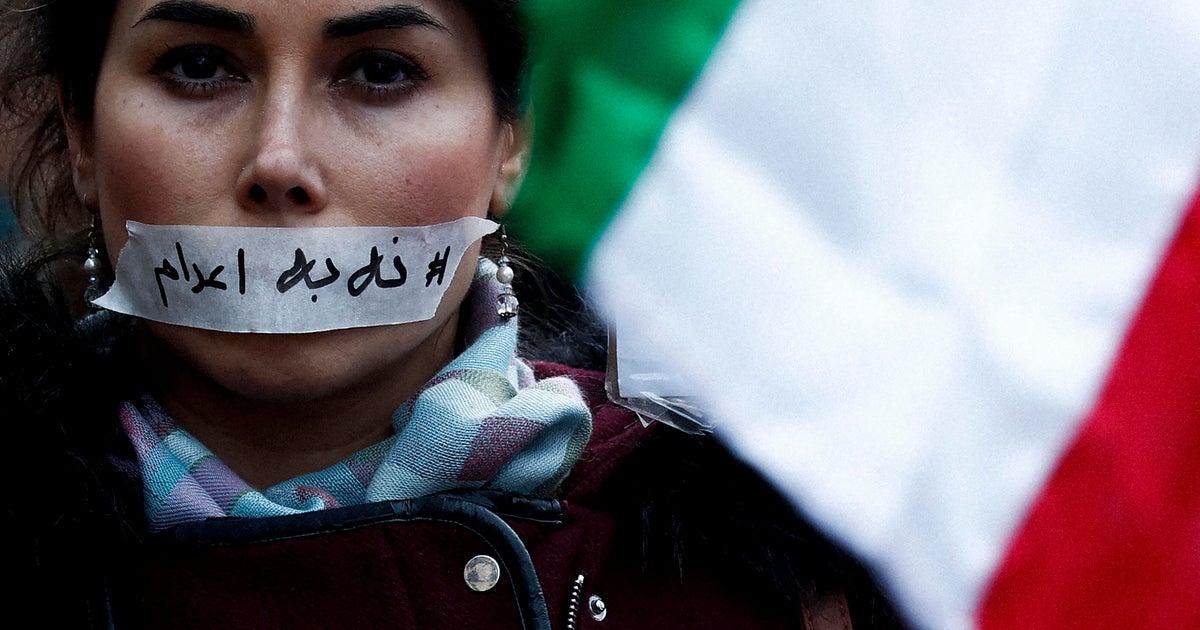
The executions are directly connected to a wave of protests that began in Iran in late December, initially sparked by frustrations over the rising cost of living and deteriorating economic conditions. However, these demonstrations quickly evolved into nationwide anti-government protests that reached their peak on January 8 and 9, representing one of the most significant challenges to the Islamic Republic’s authority in recent years. The government’s response to these demonstrations was brutal and overwhelming. Human rights organizations have documented what they describe as a massive and deadly crackdown on protesters, with security forces accused of killing thousands of demonstrators. The U.S.-based Human Rights Activists News Agency has recorded more than 7,000 deaths, with the vast majority being protesters, though the organization has warned that the actual death toll could be significantly higher due to difficulties in obtaining accurate information. The Iranian government, for its part, has acknowledged that more than 3,000 people died during the unrest, but it has offered a different narrative, claiming that the casualties included members of the security forces and innocent bystanders, and attributing the violence to what it calls “terrorist acts” orchestrated by foreign powers, specifically the United States and Israel.
Government’s Hardline Stance and Future Threats
Iran’s judiciary has made clear that the state intends to maintain its harsh approach to dealing with those accused of participating in the protests. Gholamhossein Mohseni Ejei, Iran’s hardline judiciary chief, has publicly warned that there will be “no leniency” shown toward individuals convicted of violent acts during the demonstrations. This uncompromising stance has created a climate of fear, as Iran Human Rights reports that hundreds of people are currently facing charges related to the protests that could potentially result in death sentences. The international community’s response has been inconsistent. President Donald Trump initially issued warnings that the United States would take military action against Iran if protesters were executed, but his administration subsequently shifted its focus to Iran’s nuclear program, effectively abandoning the specific threat of intervention on behalf of detained protesters. This lack of sustained international pressure may have emboldened Iranian authorities to proceed with executions without fear of significant consequences. Iran’s prolific use of capital punishment has long been a source of international concern, with rights groups identifying the country as the world’s most active executioner after China. According to figures compiled by Iran Human Rights, Iran hanged at least 1,500 people last year alone, a staggering number that reflects the state’s willingness to use death as a tool of social and political control.
A Pattern of Repression and the Path Forward
The recent executions fit into a broader pattern of the Islamic Republic’s use of capital punishment to suppress dissent and maintain its grip on power. According to data from human rights organizations, Iran executed 13 people on charges related to the 2025 June war with Israel and 12 people on charges connected to the 2022-2023 nationwide protests. These numbers reveal a deliberate strategy of using the death penalty not just for common criminal offenses but as a means of punishing political opposition and silencing critics of the regime. The execution of Saleh Mohammadi, a 19-year-old athlete with a promising future, has become a particularly poignant symbol of the government’s ruthless approach. His status as a member of the national wrestling team who had competed internationally made his case especially visible, yet it did not shield him from a rushed trial and ultimate execution. The international community now faces critical questions about how to respond to Iran’s escalating use of capital punishment against protesters and political prisoners. As war rages in the region and domestic unrest continues to simmer beneath the surface, the risk of additional mass executions remains high. Human rights organizations are calling for increased international pressure on Iran to halt executions of protesters, respect due process rights, and allow independent investigations into allegations of torture and unfair trials. Without such pressure and accountability, activists warn that many more Iranians who dared to raise their voices against government policies may face the same tragic fate as Mohammadi, Ghasemi, and Davoudi.