
The Middle East in Turmoil: Understanding the U.S.-Israeli Strikes on Iran
The Devastating Military Campaign and Iran’s Losses
The Middle East has been thrust into one of its most volatile periods in recent history following a coordinated U.S.-Israeli military operation against Iran that has fundamentally altered the regional power structure. According to Israeli military officials, the strikes have successfully destroyed approximately half of Iran’s entire missile stockpile, dealing a severe blow to the Islamic Republic’s military capabilities. Brigadier General Effie Defrin announced that the operation prevented the production of at least 1,500 additional missiles, disrupting Iran’s ambitious plans to ramp up production from dozens of surface-to-surface missiles per month to hundreds. The campaign’s most significant achievement came with the targeting of Supreme Leader Ayatollah Ali Khamenei’s compound in central Tehran, which satellite imagery shows was reduced to rubble. Israeli Prime Minister Benjamin Netanyahu confirmed that Khamenei was killed in the strike, along with other top Iranian officials including the Secretary of the Iranian Security Council and the Defense Minister. These losses represent not just military defeats but the decapitation of Iran’s theocratic leadership structure that has governed the country since the 1979 Islamic Revolution.
Iran’s Response: New Leadership and Vows of Revenge
In the immediate aftermath of these devastating strikes, Iran has scrambled to establish continuity of government while simultaneously promising fierce retaliation. The remnants of the Iranian regime announced the formation of a temporary Leadership Council to govern until the Assembly of Experts can elect a new supreme leader. This interim body consists of President Masoud Pezeshkian, Chief Justice Gholamhossein Mohseni Ejeibe, and Alireza Arafi, a senior member of the Guardian Council. President Pezeshkian, who emerged as one of the few very senior leaders to survive the strikes, has taken a hardline stance in his first public comments, declaring that “blood and revenge against the perpetrators and leaders of this crime” is the duty of Iran’s government. He characterized the killing of Khamenei as “a declaration of open war with Muslims, especially Shiites in the world,” suggesting Iran views this conflict through both political and religious lenses. The Iranian military has promised what it calls “the most ferocious offensive operation in the history of the Iranian armed forces,” targeting both U.S. military bases throughout the region and Israeli territory directly.
Regional Escalation and International Reactions
The conflict has rapidly expanded beyond Iranian borders, drawing in neighboring countries and threatening to destabilize the entire Middle East. Iran has already launched retaliatory strikes against U.S. bases in northern Iraq’s Kurdistan region and various locations in the Persian Gulf, while continuing to fire volleys of missiles and drones at both American installations and Israeli territory. Lebanese militant group Hezbollah, a key Iranian proxy that has itself been severely weakened by recent Israeli operations, pledged through its leader Naim Qassem to “confront the aggression” of the U.S. and Israel, vowing not to abandon “the field of honor and resistance.” The violence has sparked protests across the Muslim world, with demonstrators attempting to storm the U.S. embassy in Baghdad’s Green Zone and the U.S. consulate in Karachi, Pakistan, where security forces killed eight people. Similar anti-American and anti-Israeli demonstrations erupted in Indian-administered Kashmir and other locations, while the U.S. Embassy in Oman issued shelter-in-place warnings due to unspecified security threats. The International Atomic Energy Agency has scheduled an emergency meeting of its board of governors at Russia’s request to discuss the situation, particularly concerning given previous U.S. strikes on Iranian nuclear facilities.
The Civilian Dimension: Hope and Fear in Iran
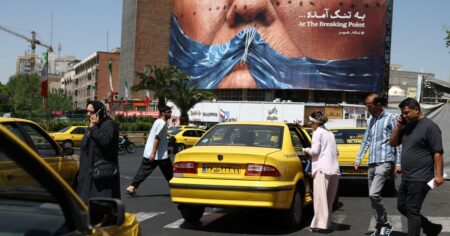
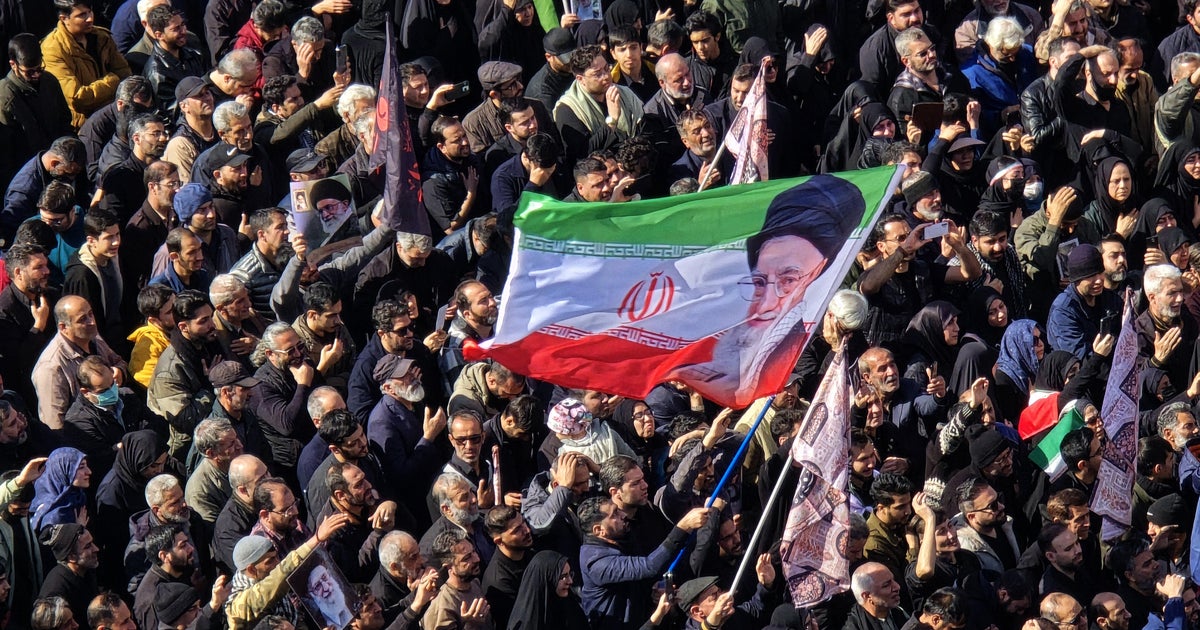
The reaction within Iran itself has been complex and divided, reflecting the deep fissures in Iranian society that have existed beneath the surface of theocratic rule for decades. When news of Khamenei’s death was confirmed, thousands of Iranians took to the streets of Tehran and other cities in celebration, expressing joy at the demise of a leader many viewed as a brutal oppressor. These spontaneous celebrations suggest significant portions of the Iranian population may welcome the potential collapse of the Islamic Republic regime that has controlled their lives for over four decades. However, state-run media also reported anti-U.S. protests in southern Iran, Tehran, and the central city of Yazd, with crowds demanding vengeance for the strikes. This divided response illustrates the fundamental question now facing Iran: will the power vacuum created by the elimination of the regime’s top leadership allow Iran’s long-suppressed civil society to rise up and establish a new government, or will hardline remnants of the theocracy manage to consolidate control and potentially drag the region into even more devastating conflict? The world watches anxiously as ordinary Iranians navigate between hope for freedom and fear of further violence.
American Strategy and Future Operations
President Trump has made clear that the U.S. military campaign is far from over, threatening even more intense strikes if Iran continues its retaliation. In a post on Truth Social, Trump warned that if Iran hits “very hard today” as threatened, the U.S. will respond with “a force that has never been seen before.” He has indicated that “heavy and pinpoint bombing” of Iran will “continue, uninterrupted throughout the week or, as long as necessary,” suggesting the administration is prepared for a sustained military operation. Representative Rick Crawford, chair of the House Intelligence Committee, told CBS News that strikes would likely continue in the coming days, particularly targeting remaining missile launch capabilities in southern Iran. American officials appear to be betting that maintaining military pressure while the Iranian regime is reeling from the loss of its leadership will create the conditions for regime change. However, former CIA officer Elliot Ackerman warned that significant risks remain, noting that while it’s possible Iran’s civil society could topple the regime, it’s “not outside the realm of possibility” that hardliners could maintain control, which he characterized as potentially disastrous for regional stability.
The Uncertain Road Ahead
As the Middle East enters its second day of this unprecedented conflict, uncertainty dominates every aspect of the situation. The skies over Tel Aviv continued to buzz overnight with fighter jets and missile defense systems intercepting Iranian attacks, keeping Israeli civilians on edge and the entire region on high alert. Israel announced it was striking targets in “the heart of Tehran” for the first time since the campaign began, suggesting an escalation in the intensity and scope of operations. The fundamental question remains whether this military action will achieve its apparent goal of regime change in Iran or whether it will instead unite Iranians behind whatever government emerges from the chaos, potentially one even more hostile to Western interests. The international community, represented by the IAEA’s emergency meeting and various diplomatic channels, is scrambling to understand and potentially influence the trajectory of events. The coming days and weeks will likely determine not just the future of Iran but the entire balance of power in the Middle East, with implications for global security, oil markets, and the safety of millions of civilians caught in the crossfire. As both sides promise further escalation while the world calls for restraint, humanity holds its breath, hoping that wisdom and restraint can somehow prevail over the cycle of violence and revenge.