


UN Nuclear Chief Warns Time Running Out for Iran Diplomatic Deal
The Urgent Push for Agreement
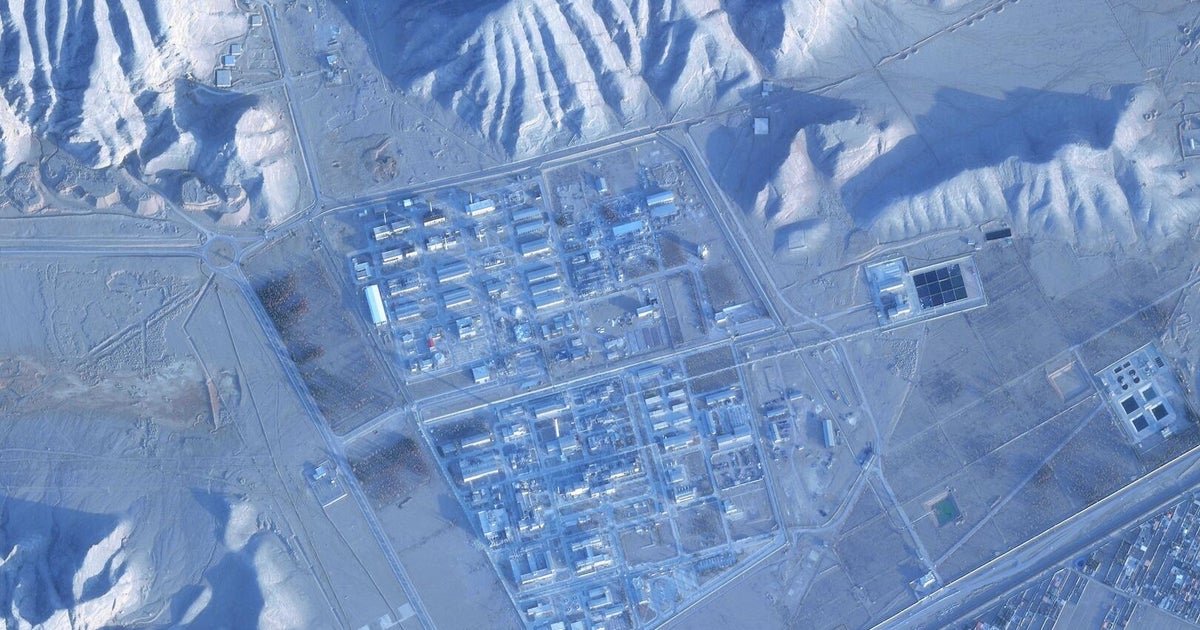
The head of the United Nations’ nuclear watchdog is sounding the alarm about the critical need for swift diplomatic action between the United States and Iran. Rafael Grossi, who leads the International Atomic Energy Agency (IAEA), isn’t mincing words when he says we’re running out of time to prevent what could become a devastating military confrontation. Despite last year’s U.S. airstrikes on three major Iranian nuclear facilities, Grossi revealed that most of Iran’s enriched nuclear material surprisingly remains intact and in place. This revelation adds a sobering reality check to the diplomatic efforts currently underway, making it clear that the window for a peaceful resolution may be narrower than many hoped. The stakes couldn’t be higher—not just for the two nations involved, but for the entire Middle East region, which stands on the precipice of a conflict that could easily spiral beyond anyone’s control.
Progress in Geneva, But Hurdles Remain
This week saw U.S. and Iranian negotiators wrap up another round of talks in Geneva, Switzerland, and while both sides are claiming they’ve made headway, the devil remains very much in the details. According to a U.S. official who spoke with CBS News, there’s still “a lot of details to discuss”—diplomatic speak for “we’re not there yet.” The ball is now in Iran’s court, with expectations that Tehran will return to the negotiating table within a couple of weeks armed with detailed proposals aimed at bridging the gaps between the two nations’ positions. Meanwhile, President Trump isn’t leaving anything to chance. Even as diplomacy continues, he’s been beefing up the American military presence throughout the region, sending a clear message that backs up his threat of renewed strikes if Iran doesn’t agree to pull back on its nuclear ambitions. It’s a classic carrot-and-stick approach, though the stick is looking particularly hefty right now.
Most Nuclear Material Survived Last Year’s Strikes
Rafael Grossi’s interview with French television network TF1 dropped something of a bombshell regarding the effectiveness of last June’s “Operation Midnight Hammer.” While President Trump and Defense Secretary Pete Hegseth claimed at the time that the strikes had “obliterated” Iran’s nuclear program, Grossi’s assessment paints a very different picture. According to the IAEA chief, the vast majority of nuclear material that Iran had stockpiled before the June attacks is still there—sitting in large quantities right where it was when the bombs fell. Some of it might be a bit harder to get to now, he acknowledged, but from a nuclear proliferation standpoint, the material remains a significant concern. This reality stands in stark contrast to Trump’s earlier claims that Iran’s nuclear program had been set back “basically decades.” Initial classified U.S. assessments were far more modest, suggesting the strikes had only delayed Tehran’s nuclear ambitions by a matter of months. Grossi’s observations seem to align more closely with these cautious assessments, underscoring why he believes there’s such urgency in reaching a diplomatic agreement that could prevent the need for additional military action.
The Risk of Regional Spillover
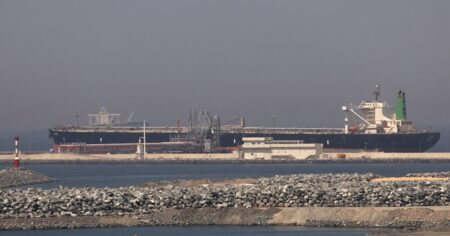
The timing of these diplomatic efforts couldn’t be more critical, especially as Russia has decided to throw its weight into the mix. This week, Russian warships and aircraft joined Iranian forces for military exercises in the strategically vital Strait of Hormuz and Gulf of Oman—a move that underscores the complex web of international relationships at play. Grossi didn’t mince words about what another U.S.-Iran military confrontation could mean for the region, warning of a “real risk of spillover and expansion to other countries.” In other words, what starts as a bilateral conflict between Washington and Tehran could quickly metastasize into something far more dangerous, potentially dragging in other regional and global powers. “Everything must be done to avoid that situation,” Grossi told the French network, his words carrying the weight of someone who understands just how quickly things could spiral out of control. He characterized this moment as pivotal in a long history of both successes and failures in international diplomacy, shaped significantly by last June’s conflict, which some have dubbed the “12-day war.” But for the first time, he sees genuine dialogue beginning to take shape, with concrete discussions about what actually needs to be done moving forward.
No Evidence of Weapons Development—Yet
One of the most critical questions hanging over these negotiations is whether Iran is actively working to develop nuclear weapons capability. President Trump has been crystal clear on this point: he will not allow Iran to develop nuclear weapons under any circumstances. So what does the IAEA—the organization actually monitoring Iran’s nuclear activities—have to say about this? When asked directly whether the agency had seen any indication that Iran might currently be working to develop weapons capacity, Grossi’s answer was unambiguous: “No.” In fact, he went further, saying that what he’s seeing right now is “a willingness on both sides to reach an agreement.” This doesn’t mean Iran couldn’t pivot toward weapons development in the future, but it does suggest that the current moment presents a genuine opportunity for diplomacy to work. The fact that both sides invited Grossi to participate in discussions is itself a positive sign, indicating that serious, concrete conversations are happening about the path forward. It’s a fragile opening, to be sure, but it’s an opening nonetheless.
The Clock Is Ticking
Despite Grossi’s cautious optimism, the situation on the ground suggests that time may be running out faster than anyone would like. CBS News sources revealed Wednesday that President Trump is at least considering another attack on Iran—potentially as soon as this coming weekend—though no final decision has been made. The seriousness of this possibility became even clearer when Polish Prime Minister Donald Tusk issued an urgent warning to Polish citizens in Iran to leave immediately and advised against travel to the country “under any circumstances.” Tusk cited the “very real” possibility that a conflict could erupt, making evacuations impossible in the near future. When allied nations start issuing evacuation warnings, it’s a sign that the diplomatic window may be closing rapidly. The contrast between these ominous developments and the ongoing negotiations in Geneva highlights the razor’s edge the world is currently walking. On one hand, there are genuine diplomatic efforts underway, with both sides apparently willing to engage in concrete discussions. On the other hand, military forces are positioning, allies are issuing warnings, and the possibility of renewed strikes looms large. It’s a moment that demands both urgency and careful consideration—a combination that’s historically been difficult to achieve in international relations. As Grossi emphasized, we simply don’t have much time to get this right, and the consequences of getting it wrong could reshape the Middle East for generations to come.