

Iranian Regime Forces Families into Cruel Choice: Celebrate Revolution or Endanger Imprisoned Loved Ones
A Heartbreaking Ultimatum for Thousands of Families
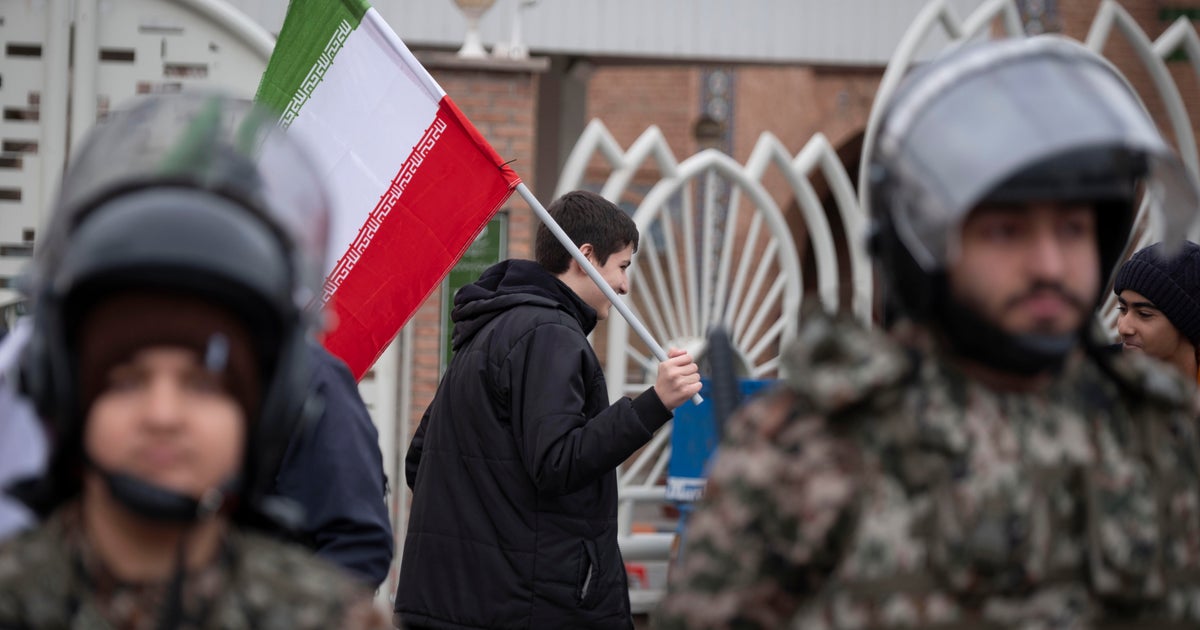
In what human rights advocates are calling a particularly cruel form of psychological torture, the Iranian government has presented families of imprisoned protesters with an impossible choice: publicly celebrate the very regime their children fought against, or risk watching their loved ones face even harsher punishment or death. This disturbing development comes in the aftermath of massive anti-government protests that erupted across Iran in early January, leading to the arrest of more than 12,000 citizens according to human rights organizations. The Iranian Revolutionary Guard Corps and the Ministry of Intelligence have been directly contacting families, delivering what former prisoner advocacy group Bazdasht Shodegan describes as “an inhumane dilemma.” The ultimatum coincides with the 47th anniversary celebrations of the Islamic Revolution, forcing these already traumatized families to participate in events honoring the very system they oppose, while their children languish in prison cells, many facing lengthy sentences or even execution.
A Pattern of Intimidation and Family Persecution
This heartbreaking tactic isn’t a new phenomenon in Iran’s playbook of oppression. The regime has a well-documented history of targeting not just political dissidents and protesters themselves, but extending their punishment to entire families as a means of control and intimidation. Bazdasht Shodegan, an organization founded by former Iranian political prisoners that provides online support to current detainees and their families, explains the full horror of this systematic approach: “On the one hand, a prisoner is forced to confess under brutal torture. On the other hand, his family is forced to pretend to support the regime. This is a complete cycle of mental and physical torture.” This two-pronged assault creates a suffocating atmosphere where neither the imprisoned nor their families can escape the regime’s reach. The families who received these recent communications were explicitly told that their participation in state-organized revolutionary celebrations would demonstrate their loyalty to the government. This public display of support, regardless of how coerced, supposedly offers the possibility of their children being released or at least spared the most severe punishments, including death sentences.
Forced Performances and Digital Humiliation
The demands placed on these desperate families go beyond mere attendance at state-sponsored rallies. In an additional layer of humiliation and control, authorities have instructed families to record videos of themselves displaying loyalty to the regime and submit these recordings directly to security services. These videos serve multiple sinister purposes for the Iranian government. They act as both proof of compliance and as propaganda tools that can be used to demonstrate supposed public support for the regime. More importantly, they function as instruments of humiliation and intimidation—visible reminders to anyone considering dissent of the price their families might pay. These forced testimonials join a growing collection of statements from well-known figures who have been compelled to publicly recant their support for the January protests. Together, these videos and statements become trophies for the regime, symbolic victories that demonstrate their power to make even the most committed opposition members bend to their will, creating a chilling effect designed to prevent future protests.
The Case of Mohamed Saedinia: A Public Humiliation
The case of businessman Mohamed Saedinia illustrates exactly how this system of coercion operates against prominent Iranians. Saedinia is well-known throughout Iran as the owner of a popular chain of candy shops and cafes that had become gathering places for young liberal Iranians in Tehran—spaces where a different vision of Iranian society could briefly flourish. When the protests began and Iran’s currency went into freefall, Saedinia made a principled decision to close his businesses in solidarity with other Iranian shop owners who were expressing their anger at the economic catastrophe through a general strike. He accompanied this action with a social media message declaring his support for his fellow citizens. The regime’s response was swift and merciless: Saedinia was arrested along with his son and accused of supporting “the rioters.” To increase the pressure, authorities warned that conviction would result in the seizure of all his assets—the businesses he had built over years.
This week, Fars, Iran’s semi-official pro-regime news service, published what it claimed was Saedinia’s statement of contrition. The carefully worded message represented a complete reversal of his earlier position: “Unfortunately, due to problems that occurred in the market, my son mistakenly closed our shops in line with the [actions of other Tehran businesses]. Both he and I realize our mistake.” The statement continued with even more demeaning language: “Therefore, we … apologize to the dear people of Iran and will show our obedience to our beloved leader and our disgust with criminal America by participating in the march to celebrate the anniversary of the revolution.” The inclusion of ritualistic denunciation of America alongside pledges of loyalty to Iran’s Supreme Leader represents standard elements of forced confessions in Iran. Whether Saedini actually wrote these words or they were written for him is almost beside the point—the message to other Iranians is crystal clear.
A Message Written in Fear and Coercion
The reality that no one in Iran likely believes these forced statements reflects their genuine source or sentiment doesn’t diminish their effectiveness as tools of oppression. In fact, the transparently coerced nature of these apologies and demonstrations of loyalty may actually enhance their impact. Every Iranian who sees Saedinia’s statement or videos of protesters’ families celebrating the revolution understands exactly what they’re witnessing: not genuine support for the regime, but evidence of the government’s power to force even successful businesspeople and the parents of imprisoned children to humiliate themselves publicly. The message is clear and chilling—if the regime can break these people, force them into these degrading performances, it can break anyone. This creates an atmosphere of fear that extends far beyond the immediate victims to touch every Iranian who might consider speaking out, joining a protest, or even quietly withdrawing support from the government by closing a business or staying home from mandatory celebrations.
The Broader Context of Repression and Resistance
These forced celebrations and extracted statements of loyalty come as the Iranian regime continues to grapple with the aftermath of widespread protests that revealed the depth of public dissatisfaction with the current system. With more than 12,000 arrested in just the wave of protests from early January alone, and many facing severe charges, the number of families vulnerable to this kind of pressure is substantial. The regime’s insistence on making these celebrations of the 47th anniversary of the Islamic Revolution a test of loyalty—with attendance mandatory for government employees and students, and now coerced from the families of prisoners—demonstrates both the importance the government places on displays of public support and perhaps also an underlying anxiety about the legitimacy of that support. Human rights groups monitoring the situation continue to document these abuses, though their ability to protect those suffering under these conditions remains limited. For the families caught in this impossible situation, the choice is no choice at all: they must either betray their own convictions and those of their imprisoned children by celebrating the regime, or risk watching those children face even worse consequences. In creating this complete cycle of physical torture for prisoners and psychological torture for their families, the Iranian government reveals not strength but the desperate measures of a regime increasingly concerned about maintaining control over a population that has clearly demonstrated its capacity for resistance.