

A Month of Escalating Conflict: The U.S.-Israeli War Against Iran
The Opening Strikes and Immediate Aftermath
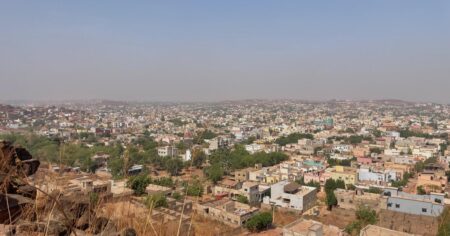
The conflict that has gripped the Middle East began on February 28th with a devastating series of coordinated airstrikes launched by American and Israeli forces against Iran. The opening assault proved catastrophic for Iran’s leadership, killing Supreme Leader Ayatollah Ali Khamenei along with dozens of senior political and military figures in strikes targeting his office in Tehran. This decapitation strike marked one of the most significant military operations in modern Middle Eastern history, fundamentally altering the region’s power dynamics overnight. Iran’s response was swift and fierce, with immediate retaliatory attacks targeting Israeli territory, American military installations, and allied facilities throughout the Middle East. The strikes extended across Iran, hitting government buildings and military installations nationwide, though concerns quickly emerged about civilian casualties. The most horrific incident occurred in the southern Iranian city of Minab, where an airstrike hit a girls’ elementary school, killing 168 people according to Iranian state media. This tragedy became a rallying point for Iranian resistance and raised serious questions internationally about the conduct of the operation and the measures taken to protect civilian lives during the massive military campaign.
The Conflict Expands: American Casualties and Economic Warfare
Within days of the initial strikes, the conflict claimed its first American military casualties when six U.S. troops were killed on March 1st in an Iranian drone strike on a military base in Port Shuaiba, Kuwait. This attack brought home the reality that American service members would pay a price for the operation, transforming what might have seemed like a distant military action into something with direct consequences for American families. The same day saw another troubling incident when three American F-15 fighter jets were shot down not by enemy fire, but by friendly fire from Kuwaiti air defenses—a tragic mistake that highlighted the confusion and danger inherent in the complex military operations unfolding across the region. Iran also began implementing its strategy to economically strangle its adversaries by targeting commercial shipping in the Strait of Hormuz, one of the world’s most critical maritime chokepoints through which roughly a fifth of the world’s oil supply passes. The attacks on tankers marked the beginning of Iran’s efforts to leverage its geographic position to maximum effect, threatening global energy supplies and raising prices worldwide. This economic warfare dimension added a new layer of complexity to the conflict, as nations dependent on Middle Eastern oil watched nervously while their energy security hung in the balance.
Regional Expansion and Leadership Transitions
The conflict rapidly metastasized beyond Iran’s borders as regional actors aligned with Tehran entered the fray. On March 2nd, the Lebanese militant group Hezbollah launched attacks into northern Israel, justifying their actions as retaliation for months of Israeli airstrikes across Lebanon. Israel’s response was predictably forceful, intensifying its bombing campaign—including fresh strikes in Beirut—and launching new ground operations along the shared border. By March 4th, Israeli military commanders had issued urgent evacuation orders to all residents of southern Lebanon located south of the Litani River, a vast area encompassing hundreds of thousands of civilians, warning them to flee north ahead of intended military operations. Meanwhile, the naval dimension of the conflict intensified when a U.S. submarine sank the Iranian frigate IRIS Dena off the coast of Sri Lanka, killing at least 104 crew members according to Iranian military sources. This incident demonstrated the global reach of the conflict, extending far beyond the immediate Middle Eastern theater. Domestically within Iran, the political situation stabilized somewhat on March 8th when Mojtaba Khamenei, son of the slain supreme leader, was selected by Iran’s Assembly of Experts to succeed his father. His candidacy reportedly received backing from the powerful Islamic Revolutionary Guards Corps, in which the younger Khamenei had previously served. This rapid succession ensured continuity of leadership during the crisis, though questions remained about whether the new, less experienced leader could effectively manage the existential threat facing his nation.
Escalating Strikes and Strategic Shifts
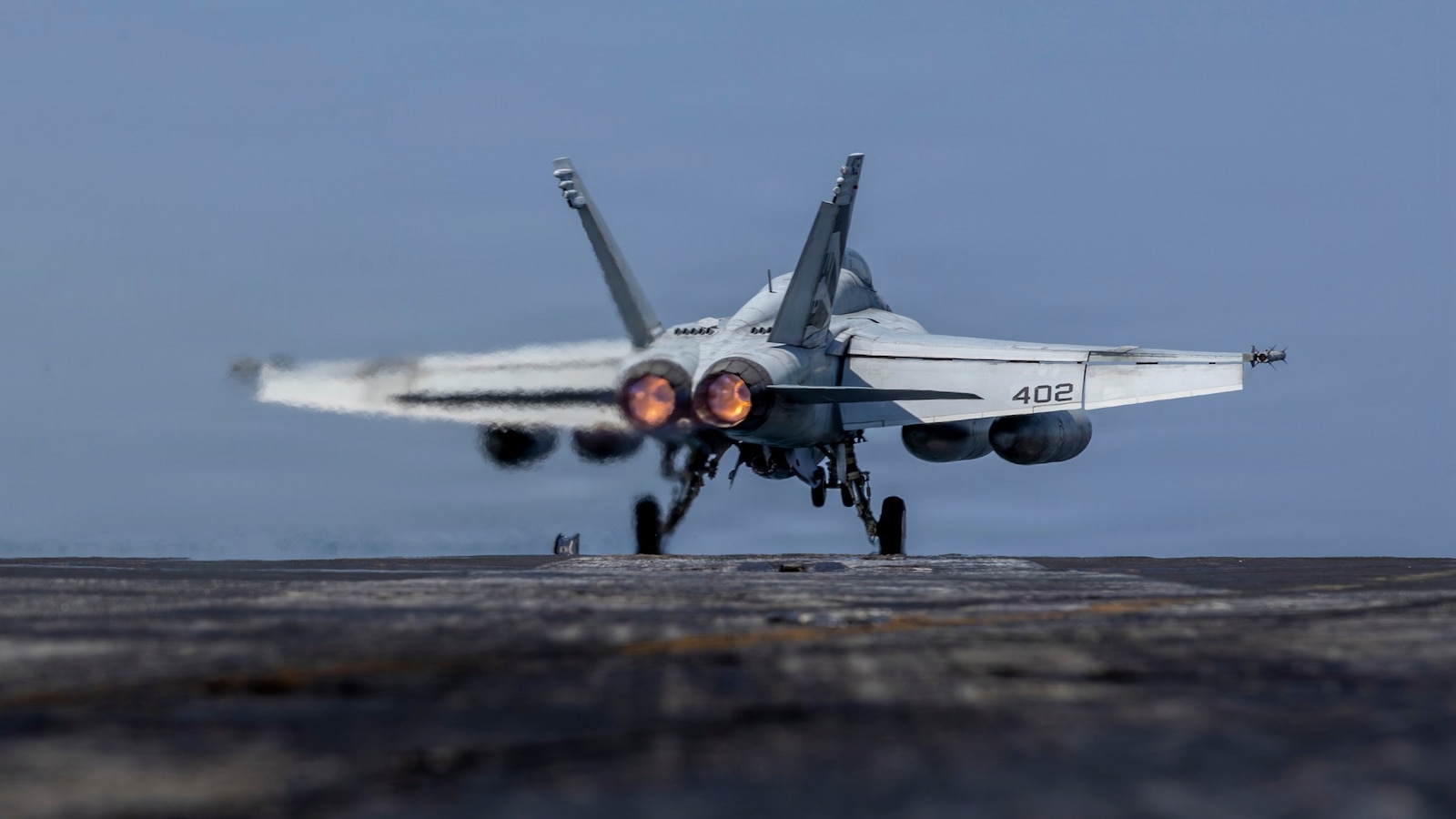
As March progressed, both sides intensified their operations and expanded their target sets. American and Israeli forces continued to strike high-value targets, killing Ali Larijani, the influential secretary of Iran’s Supreme National Security Council, in a March 17th airstrike in Tehran. The conflict claimed more American lives on March 12th when a U.S. KC-135 refueling aircraft went down over western Iraq, killing six airmen, though another damaged aircraft involved in the incident managed to land safely. A significant strategic shift occurred on March 18th when Israeli forces struck the South Pars gas field in the Persian Gulf, a massive energy facility shared by Iran and Qatar. This attack signaled a deliberate move toward targeting energy and critical infrastructure, prompting Tehran to warn it would reciprocally target energy facilities across the Gulf region. Two days later, Iran allegedly launched a missile attack against Diego Garcia, a U.S.-U.K. military base in the Indian Ocean approximately 2,500 miles from Iranian territory. American and Israeli officials seized upon this attack as evidence that Iranian missile capabilities extended far beyond what Tehran had previously acknowledged, raising the specter of Iranian strikes reaching targets throughout the region and potentially beyond. By March 24th, the strategic approach had evolved further, with airstrikes targeting three major Iranian steelworks, reflecting an apparent shift toward degrading Iran’s economic base and industrial capacity for the long term. That same day, Iranian forces managed to strike the Prince Sultan Air Base in Saudi Arabia, damaging several American aircraft—including a valuable E-3 Sentry AWACS early warning aircraft—and wounding multiple service members.
Ultimatums and Expanding Involvement
The final week of March saw President Trump personally intervene with public ultimatums and threats designed to force Iranian compliance with American demands. On March 22nd, Trump issued a 48-hour ultimatum demanding that Iran cease its harassment of shipping and reopen the Strait of Hormuz or face devastating strikes on critical energy infrastructure. When Iran failed to comply, the president extended his deadline rather than immediately follow through on his threat. The conflict expanded to include another Iranian-aligned force on March 28th when the Houthi rebels in Yemen fired a ballistic missile toward Israel, marking their first direct involvement and demonstrating the wide network of Iranian proxies willing to engage in the fight. The same day, U.S. Central Command announced the arrival of approximately 3,500 sailors and Marines in the Middle East aboard the USS Tripoli, with another 1,500 soldiers from the elite 82nd Airborne Division also en route to the region. These substantial troop movements fueled speculation about a possible American ground invasion of Iran, a prospect that would dramatically escalate the conflict beyond the current air and sea operations. On March 30th, Trump again publicly demanded an end to Iranian interference with shipping in the Strait of Hormuz, this time threatening to broaden American strikes to include not just energy facilities but also desalination plants—critical infrastructure that provides drinking water to Iran’s population, raising the stakes to potentially catastrophic humanitarian levels.
Current Situation and What Comes Next
As March turned to April, Israeli Defense Minister Israel Katz announced plans that significantly expanded Israel’s war aims in Lebanon. On March 31st, Katz declared that Israeli forces would occupy Lebanese territory extending north to the Litani River—approximately 18 miles from the Israeli border—and would prevent the return of the hundreds of thousands of residents who had fled the combat zone. He explicitly stated that Israel would implement “the Rafah and Beit Hanoun models,” referring to two Gaza border towns that Israeli forces had systematically destroyed during operations in the Palestinian territories, suggesting a similar fate awaited southern Lebanese communities. This announcement raised the prospect of a long-term Israeli occupation and the permanent displacement of massive civilian populations. Now, on April 1st, President Trump is preparing to deliver what the White House describes as an “important” address to the nation regarding the war in Iran. After a month of escalating military operations, mounting casualties on all sides, expanding regional involvement, and increasingly dire threats against Iranian infrastructure, observers worldwide are watching anxiously to learn what new developments the president will announce. Speculation ranges from the possibility of a diplomatic breakthrough to announcements of even more aggressive military action, potentially including the long-rumored ground invasion. What began as targeted strikes against Iranian leadership has evolved into a sprawling regional conflict involving multiple nations, proxy forces, and military domains, with global economic implications through disrupted energy supplies and uncertain prospects for resolution. As President Trump prepares to address the American people, the world waits to learn whether the conflict will escalate further or if there might finally be movement toward de-escalation and a diplomatic path forward.