


Mexico’s Tourism Industry Faces New Challenges Amid Rising Cartel Violence
The Stark Reality of Paradise Under Guard
The beaches of Cancun present a jarring juxtaposition that has become all too familiar in modern Mexico. While tourists lounge in swimwear, heavily armed security forces patrol the same sandy shores, their semi-automatic weapons a stark reminder of the dual reality facing this nation. Mexico finds itself walking a precarious tightrope between two defining characteristics: its vital tourism industry, which brings millions of visitors and billions of dollars annually, and the persistent shadow of organized crime that continues to plague the country. As 2026 unfolds, these two worlds are no longer operating in separate spheres—they’re increasingly colliding in ways that cannot be ignored. The recent death of one of Mexico’s most notorious cartel leaders has brought this collision into sharp focus, forcing both tourists and officials to confront uncomfortable questions about safety, stability, and the future of travel to one of America’s favorite vacation destinations.
The Aftermath of El Mencho’s Death
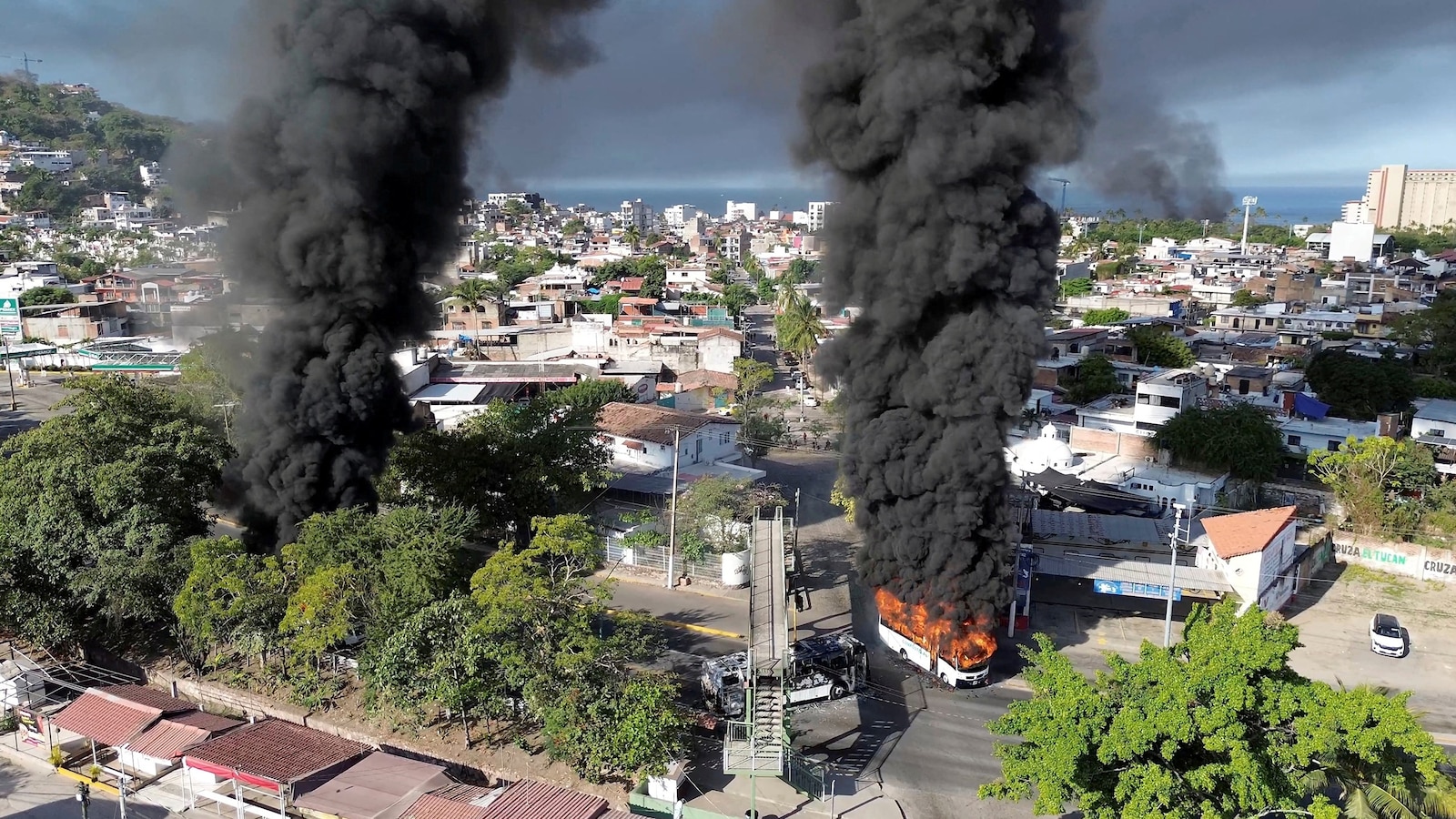
The killing of Nemesio Rubén Oseguera Cervantes, better known as “El Mencho,” by Mexican armed forces last weekend triggered an unprecedented wave of violence across the country. As the leader of the Jalisco New Generation Cartel, El Mencho was one of the most wanted criminals by both Mexican and American authorities, primarily due to his role as a top trafficker of fentanyl into the United States. His death on that Sunday didn’t bring relief—it brought chaos. What followed was unlike anything Mexico had witnessed before in terms of scope and intensity. Cartel members launched coordinated attacks across multiple regions, setting vehicles ablaze, establishing hundreds of roadblocks, and targeting gas stations and businesses in what appeared to be a calculated show of force. Images of smoke billowing from burning vehicles in Puerto Vallarta circulated widely on social media, painting a picture of a nation struggling to maintain control. The violence wasn’t just widespread; it was disruptive in ways that previous cartel conflicts hadn’t been, directly impacting the tourism infrastructure that Mexico depends upon so heavily.
Tourists Caught in the Crossfire
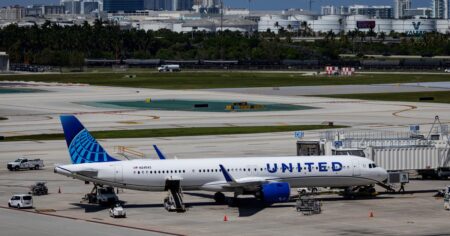
For the first time in recent memory, the violence didn’t just make headlines—it trapped thousands of tourists in a situation they never anticipated when booking their sunny getaways. Travelers found themselves stranded for days as the Mexican government struggled to reassert control over critical infrastructure, including roads and airports that serve as the arteries of the tourism industry. The situation became so dire that the government deployed a Mexican naval ship carrying 100 troops to Puerto Vallarta, a destination beloved by American vacationers seeking sun, sand, and margaritas. While no tourists were reported harmed or deliberately targeted during the violence, and only one Mexican civilian death was confirmed by authorities, the psychological impact was significant. These weren’t abstract news reports about violence happening somewhere else in Mexico—this was real disruption affecting real people’s vacations and, more importantly, their sense of safety. The incident served as a wake-up call that the buffer zone between tourist areas and cartel activity, once thought to be sacrosanct, might be more permeable than anyone wanted to admit.
The Government’s Response and Reassurances
Mexican authorities responded to the crisis with a significant show of force, deploying an additional 10,000 National Guard troops nationwide, with many joining the thousands already stationed along the Caribbean coast. In Cancun, police presence became even more visible as security officials invited journalists into their state-of-the-art emergency command center in what seemed like a carefully orchestrated public relations effort. The message was clear and consistent: everything is under control, and Mexico remains safe for tourists. President Claudia Sheinbaum addressed the situation repeatedly during her daily morning press briefings throughout the week, projecting confidence and assurance that the government had the security situation well in hand. But the intensity of this messaging campaign revealed an underlying anxiety. Mexican officials understand all too well that tourism isn’t just important to their economy—it’s essential, accounting for nearly 9% of the country’s GDP in 2024. The wave of trip cancellations that followed the violence sent ripples of concern through government offices, as officials recognized that perception of safety matters just as much as actual safety when it comes to attracting tourists willing to spend their vacation dollars.
The Reality Check: Assessing the Actual Risk
The question on everyone’s mind—from worried parents to couples planning destination weddings—is straightforward: Is it actually safe to travel to Mexico right now? The answer, like most things involving risk assessment, is more nuanced than a simple yes or no. The statistical reality is that tens of millions of people visit Mexico each year and return home without incident. Crime statistics, when examined carefully, reveal that while Mexico does face a serious nationwide crime problem, tourists represent an infinitesimally small percentage of victims. The vast majority of violence is concentrated in areas where tourists don’t typically venture, and it primarily affects Mexican citizens who live with this reality daily, bearing a burden far heavier than any visitor. For travelers who stick to the well-worn tourist path—airport to hotel, hotel to beach, beach to restaurant, and back again—the likelihood of encountering violence remains extremely low. Even during last week’s intense period of cartel violence, not a single tourist was harmed or appeared to be deliberately targeted. However, this reassuring data comes with important caveats that honest observers cannot ignore.
Looking Ahead: An Uncertain Future for Mexican Tourism
While the immediate crisis has subsided and Cancun has returned to its “delightfully tacky” normal state, the underlying issues remain unresolved and potentially explosive. El Mencho’s death creates a power vacuum within one of Mexico’s most powerful criminal organizations, and history teaches us that such vacuums rarely remain empty for long. The inevitable struggle to fill his position could trigger additional violence as rivals both within and outside the Jalisco New Generation Cartel jockey for control. President Trump’s designation of the cartel as a Foreign Terrorist Organization adds another layer of complexity to an already complicated situation. Certain regions, particularly tourist destinations in Jalisco state like Puerto Vallarta and Guadalajara, appear especially vulnerable to disruption in the coming months. The possibility that tourists could once again find themselves caught up in cartel violence—even if not targeted by it—remains real and cannot be dismissed. Mexico’s challenge moving forward is maintaining the delicate balance between projecting strength and control while honestly addressing security concerns that could make or break its crucial tourism sector. For potential travelers, the decision ultimately comes down to personal risk tolerance and careful consideration of where exactly in this vast, diverse country they plan to visit. The heavily militarized beaches of Cancun stand as a visible reminder that paradise in 2026 Mexico comes with security escorts included—whether that’s reassuring or troubling depends entirely on your perspective.