
Escalating Conflict: Israel and Iran Exchange Fire as Regional Tensions Soar
Fresh Missile Exchanges Mark Seventh Day of Intensifying Warfare
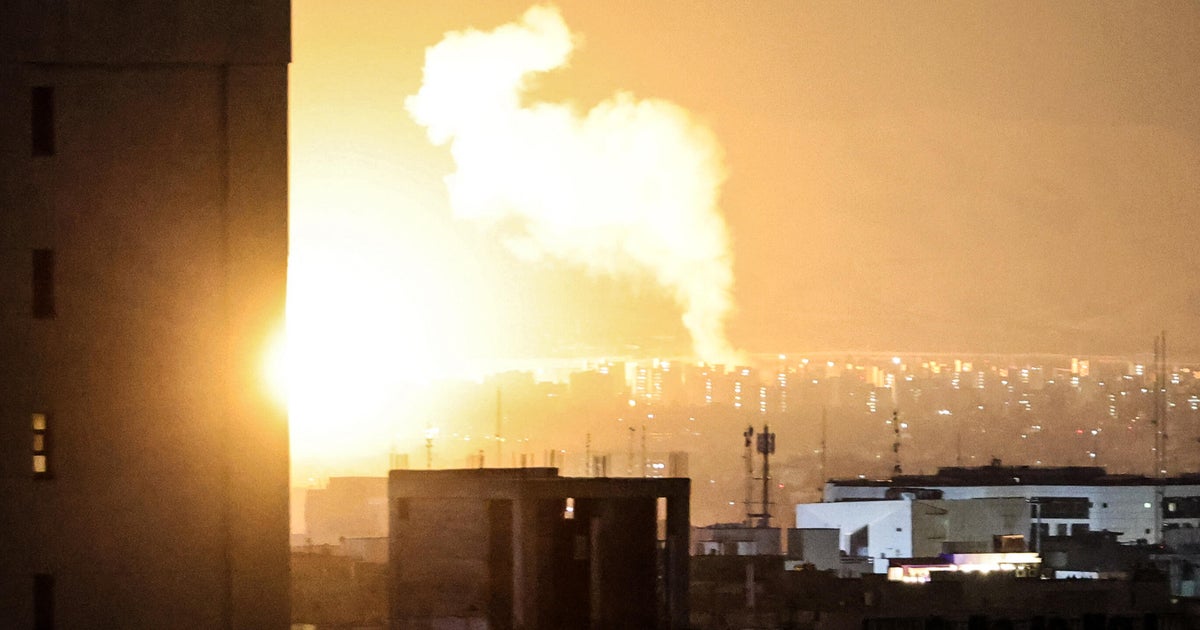
The conflict between Israel and Iran entered its seventh day with renewed intensity as Israeli military officials detected another salvo of missiles launched from Iranian territory toward Israel on Friday. The Israel Defense Forces quickly activated their sophisticated air defense systems to intercept the incoming threats while simultaneously urging civilians in affected areas to follow safety protocols delivered directly to their mobile phones through the Home Front Command. This latest exchange comes as Israel announced fresh strikes targeting Iranian regime installations in Tehran, creating a dangerous cycle of retaliation that shows no signs of abating. While Israel’s multi-layered defense systems have proven remarkably effective at intercepting the vast majority of incoming projectiles, the human cost continues to mount. According to data compiled by the independent Israeli Institute for National Security Studies, at least ten Israelis have been killed by weapons that penetrated the country’s defenses, with three additional deaths occurring in related incidents. On the Iranian side, the Islamic Republic’s health ministry reports a staggering toll of more than 1,200 people killed by ongoing U.S.-Israeli strikes over the past week, highlighting the asymmetric nature of this conflict and raising serious humanitarian concerns about the scope and intensity of the military operations.
High-Level Coordination and Strategic Objectives
Behind the scenes of this rapidly evolving military situation, Israeli officials revealed that President Donald Trump and Prime Minister Benjamin Netanyahu have been maintaining daily communication throughout the conflict, demonstrating the close coordination between Washington and Jerusalem. According to these officials, the joint military operations against Iran are proceeding according to plan, with early signs suggesting that pressure is beginning to fracture the Iranian regime’s cohesion. However, they cautioned that achieving the stated objectives “may take time,” suggesting that this conflict is far from resolution despite the intensity of the current operations. President Trump provided further clarity on American objectives in a phone interview with NBC News, stating bluntly that the goal is to “go in and clean out” Iran’s theocratic leadership. In a revealing comment that signals potential long-term American involvement in Iran’s future governance structure, Trump indicated he has specific individuals in mind who could serve as “good leaders” for Iran, and that the U.S. is taking unspecified measures to ensure these potential successors survive the ongoing military operations. This statement represents a significant escalation in American rhetoric and suggests objectives that go well beyond immediate military targets to fundamental regime change in Tehran.
Regional Spillover and Growing International Involvement
The conflict’s tentacles are rapidly spreading throughout the Middle East, with multiple nations now directly affected by the hostilities between these primary antagonists. Qatar’s foreign ministry issued a strong condemnation of an Iranian strike that hit buildings in neighboring Bahrain housing Qatari naval forces participating in the Gulf Cooperation Council’s Unified Military Command. While Qatari officials reported that all their personnel escaped injury, they characterized the strike as a “dangerous escalation” and “blatant act of aggression” that threatens regional stability. Meanwhile, Iran’s military claimed to be unleashing “a large volume” of attack drones targeting American positions in Kuwait, with the Iranian Army stating that “attacks will continue in the coming hours.” Kuwait has already suffered severely in this conflict, including a drone strike on the first day that killed six U.S. troops at a military installation. Saudi Arabia has also found itself in Iran’s crosshairs, with the kingdom’s defense ministry reporting the interception of three Iranian drones east of Riyadh on Friday, adding to the 14 missiles and five drones Saudi Arabia has faced since hostilities began. Qatar announced it successfully intercepted an Iranian drone targeting Al Udeid airbase in Doha, which houses between 8,000 to 10,000 U.S. troops and represents the largest American military installation in the Middle East.
NATO Responds and International Security Concerns Mount
The international dimensions of this conflict expanded dramatically when NATO announced it had “increased its alliance-wide ballistic missile defense posture” following the interception of a missile launched toward Turkey on Wednesday. A NATO spokesperson explained that the alliance’s Air Command commander recommended maintaining this heightened defensive stance “until the threat from Iran’s continued indiscriminate attacks across the region subsides.” The statement highlighted NATO’s rapid response capabilities, noting that in less than ten minutes, alliance service members identified the ballistic missile threat, confirmed its trajectory, alerted land and sea-based defense systems, and successfully launched an interceptor to neutralize the danger. Turkey’s targeting raised significant questions about whether NATO might invoke Article V of its founding charter, which treats an attack on one member as an attack against all members, potentially drawing the entire alliance into direct military confrontation with Iran. Meanwhile, concerns about Iranian operations extended to European soil, with London’s Metropolitan Police announcing the arrest of four suspected Iranian spies in the British capital. Counterterrorism officers apprehended one Iranian national and three dual British-Iranian nationals in the northern suburbs of Barnet and Watford, with investigations centered on “suspected surveillance of locations and individuals linked to the Jewish community” in London, demonstrating Iran’s global reach in intelligence operations.
Israeli Military Claims and Multi-Front Operations
Israel has significantly escalated its military messaging, claiming to have achieved “near-complete air superiority” over Iran through the systematic destruction of more than 80 percent of Iran’s air defense systems during the week-long campaign. An Israeli military official announced new “waves of strikes” targeting both Tehran and Beirut simultaneously, hitting what they described as “the terrorist regime’s infrastructure” in the Iranian capital while conducting “several waves of strikes” against Hezbollah positions in Beirut’s Dahieh neighborhood. The Israeli military reported hitting more than 500 targets in Lebanon alone, including senior Hezbollah terrorists, rocket launchers, command centers, and weapons storage facilities, following extensive evacuation warnings to civilians in targeted areas. President Trump reinforced these claims of military progress, stating that coalition forces are “destroying more of Iran’s missiles and drone capability every single hour,” while acknowledging that Iranian forces remain “tough” despite being significantly weakened. Secretary of Defense Pete Hegseth, speaking at the Pentagon on Monday, outlined the operation’s objectives as “laser-focused: destroy Iranian missile production, destroy their navy and other security infrastructure, and they will never have nuclear weapons.” Addressing criticism that the operation represents the beginning of another endless Middle Eastern war, Hegseth insisted it was “not a so-called regime-change war,” while paradoxically adding, “But the regime sure did change, and the world is better off for it today.”
Diplomatic Efforts and Uncertain Pathways to Peace
Despite the military intensity, faint signals suggest some parties may be exploring diplomatic off-ramps to this escalating conflict. Iranian President Masoud Pezeshkian, generally considered a relatively moderate voice within Iran’s government, claimed in a social media post that unidentified countries had “begun mediation efforts” as the war continued. Pezeshkian emphasized that while Iran remains “committed to lasting peace in the region,” the nation has “no hesitation in defending our nation’s dignity and sovereignty,” adding that “mediation should address those who underestimated the Iranian people and ignited this conflict.” However, he provided no further details, and this statement appeared at odds with declarations from Iran’s military commanders suggesting no interest in negotiated settlement. Foreign Minister Abbas Aragchi reinforced this harder line, insisting Iran is “not asking for a ceasefire.” The prospects for diplomatic intervention appear complicated by the abrupt termination of indirect U.S.-Iranian negotiations that were underway through Gulf intermediaries, particularly Qatar, which were cut off when the U.S. and Israel launched their initial attack on February 28. CBS News has sought clarification from officials in Doha, Tehran, and Oman’s capital Muscat regarding Pezeshkian’s mediation claims, but the pathway from current military operations to meaningful negotiations remains unclear, especially given President Trump’s stated objective of fundamentally changing Iran’s leadership rather than reaching accommodation with the current regime.