

Federal Judge Strikes Down Pentagon’s Controversial Press Restrictions: A Victory for Press Freedom
The Court Decision That Changed Everything
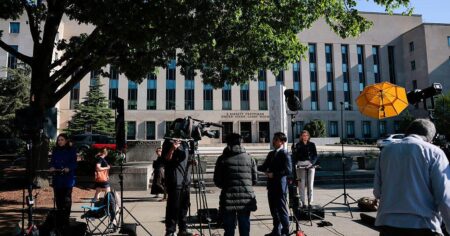
In a significant victory for press freedom, a federal judge has delivered a powerful blow to the Defense Department’s controversial media access policies that had effectively driven many major news organizations out of the Pentagon. U.S. District Judge Paul L. Friedman ruled in favor of the New York Times and one of its reporters, Julian E. Barnes, who had filed a lawsuit in December challenging the constitutionality of the Pentagon’s new press credentialing rules. The judge found that key portions of the policy violated fundamental constitutional protections, including the First Amendment’s guarantee of free speech and the Fifth Amendment’s due process provisions. This ruling represents more than just a legal technicality—it’s a statement about the essential role that independent journalism plays in American democracy, particularly when it comes to holding the military and government accountable for their actions on behalf of the American people.
What Sparked This Constitutional Battle
The controversy began last fall when the Pentagon introduced a sweeping new press access policy that fundamentally changed the rules for journalists who cover the military on a daily basis. To maintain their credentials and continue working from inside the Pentagon building, reporters were required to sign agreements accepting numerous restrictions on their journalism. These weren’t minor administrative changes—they represented a significant expansion of government control over how journalists could do their jobs. The most troubling provision suggested that reporters who “solicited” classified or sensitive information from military personnel could be deemed security risks and permanently banned from the building. The vagueness of this language meant that reporters could potentially lose access simply for asking tough questions—the very foundation of investigative journalism. Another concerning change was language describing Pentagon access as a “privilege” rather than a “right,” effectively giving the military broad discretion to exclude journalists at will. These restrictions proved too much for many major news organizations to accept.
The Media Exodus and Its Implications
Rather than accept these new constraints on their ability to report independently, several of America’s most prominent news organizations made the difficult decision to walk away from daily Pentagon access. CBS News, ABC News, NBC News, CNN, and Fox News all declined to sign the new agreements, effectively abandoning their regular presence at the Pentagon—a remarkable development given the building’s importance as a news source for national security and military affairs. This exodus left the Pentagon’s press corps dramatically changed, now consisting primarily of conservative media outlets that agreed to accept the restrictions. This shift raised serious questions about the Pentagon’s true intentions. Was this new policy genuinely about protecting national security, as officials claimed, or was it designed to favor more sympathetic coverage while pushing out journalists who might ask uncomfortable questions? Judge Friedman’s ruling suggests the latter, noting evidence of “viewpoint discrimination” and finding that the policy appeared designed to “weed out disfavored journalists” while being “warmer to more supportive outlets.”
The Judge’s Powerful Rebuke
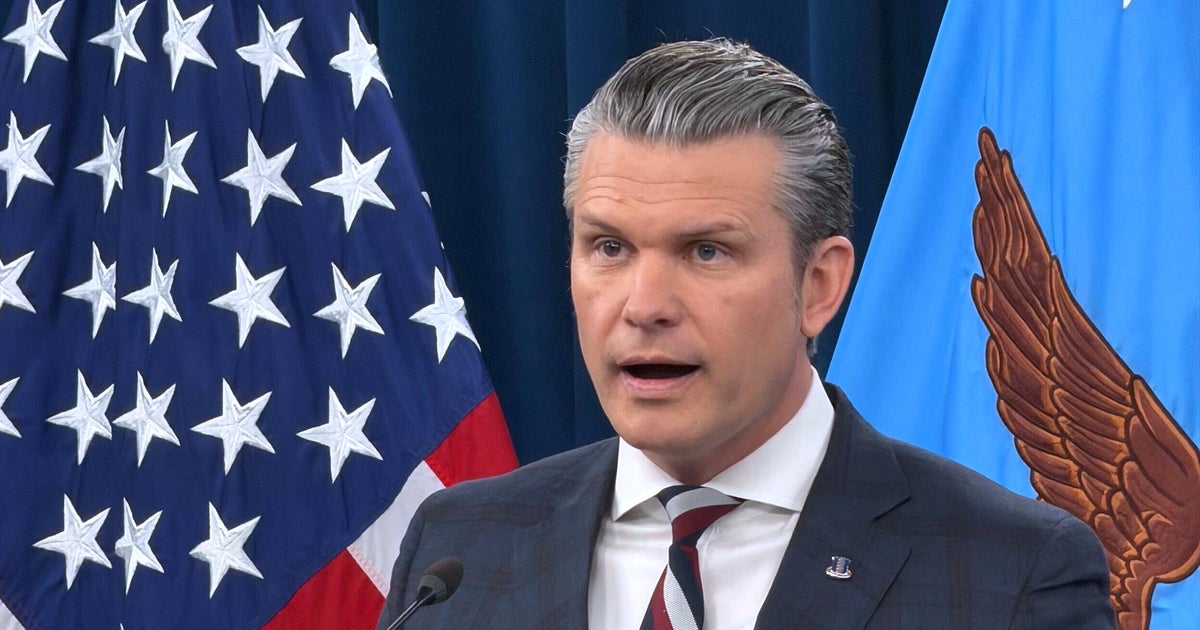
Judge Friedman’s decision went beyond simply striking down portions of the policy—it delivered a stern rebuke to the Pentagon’s approach to press relations. The judge specifically highlighted the vagueness of the restrictions, noting that the rules about “soliciting” information were so unclear that “one could easily predict that journalists would opt not to ask any questions rather than risk losing their credential.” This kind of self-censorship is exactly what the First Amendment is designed to prevent. Friedman also pointed to troubling double standards in how the policy was being applied. During court hearings, he pressed government attorneys on why right-wing influencer Laura Loomer was granted Pentagon access despite maintaining a “tip line” for receiving information, while The Washington Post’s similar request for tips was deemed inappropriate. When Justice Department lawyers couldn’t clearly explain this discrepancy, it exposed the arbitrary and potentially discriminatory nature of the policy’s enforcement. The judge also referenced statements from Defense Secretary Pete Hegseth and other Pentagon leaders criticizing mainstream media outlets, finding evidence of “a Department whose leadership has been and continues to be openly hostile to the ‘mainstream media’ whose reporting it views as unfavorable.”
Why This Matters Now More Than Ever
Judge Friedman made a point of emphasizing the current moment’s particular importance for press freedom and public transparency. “But especially in light of the country’s recent incursion into Venezuela and its ongoing war with Iran, it is more important than ever that the public have access to information from a variety of perspectives about what its government is doing,” he stated in his ruling. The judge recognized that Americans need comprehensive, independent information to make informed decisions—whether that means supporting government policies, protesting them, or deciding who to vote for in upcoming elections. During the court hearings, Friedman drew on his own life experience, noting that he had lived through numerous military conflicts and national security crises, from the Vietnam War to the September 11 attacks. Regarding Vietnam, he observed that “the public, I think it’s fair to say, was lied to about a lot of things,” highlighting how essential independent journalism is for preventing government deception. His message was clear: while some information must remain classified for legitimate security reasons, “openness and transparency allow members of the public to know what their government is doing.”
What Comes Next
The immediate impact of the ruling is that the New York Times reporters who filed the lawsuit have had their press credentials reinstated, and the most problematic portions of the Pentagon’s policy have been struck down. However, the broader implications remain uncertain. The Pentagon has already announced through spokesperson Sean Parnell that it disagrees with the decision and plans to pursue an immediate appeal, setting up what could be a lengthy legal battle. The Pentagon Press Association celebrated the ruling and called for the immediate reinstatement of credentials for all its members, but it’s unclear whether other major news organizations that left the Pentagon will now return. Some restrictions remain in place, including rules about where reporters can go in the building without escorts. The fundamental tension here is between legitimate national security concerns and the public’s right to know what its government is doing. The Pentagon argues it needs to protect sensitive information and prevent leaks that could endanger troops or compromise operations. But the judge’s ruling makes clear that these security interests cannot justify vague, arbitrarily enforced policies that effectively give the government power to exclude journalists based on whether they’re perceived as favorable or critical. As this case potentially moves through the appeals process, it will test important questions about the balance between government secrecy and democratic accountability, the role of an independent press in covering military affairs, and whether government agencies can use access policies to favor friendly media outlets over critical ones. For now, at least, the courts have sided firmly with the principle that in a democracy, the public’s right to understand what its military is doing outweighs the government’s desire to control the narrative.