

Elon Musk Found Liable for Misleading Twitter Investors in Landmark Verdict
Mixed Jury Decision After Weeks of Deliberation
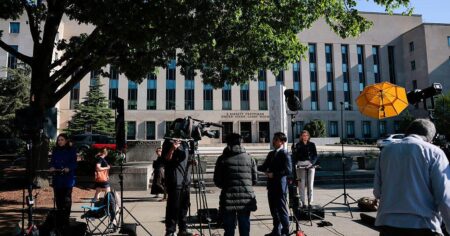
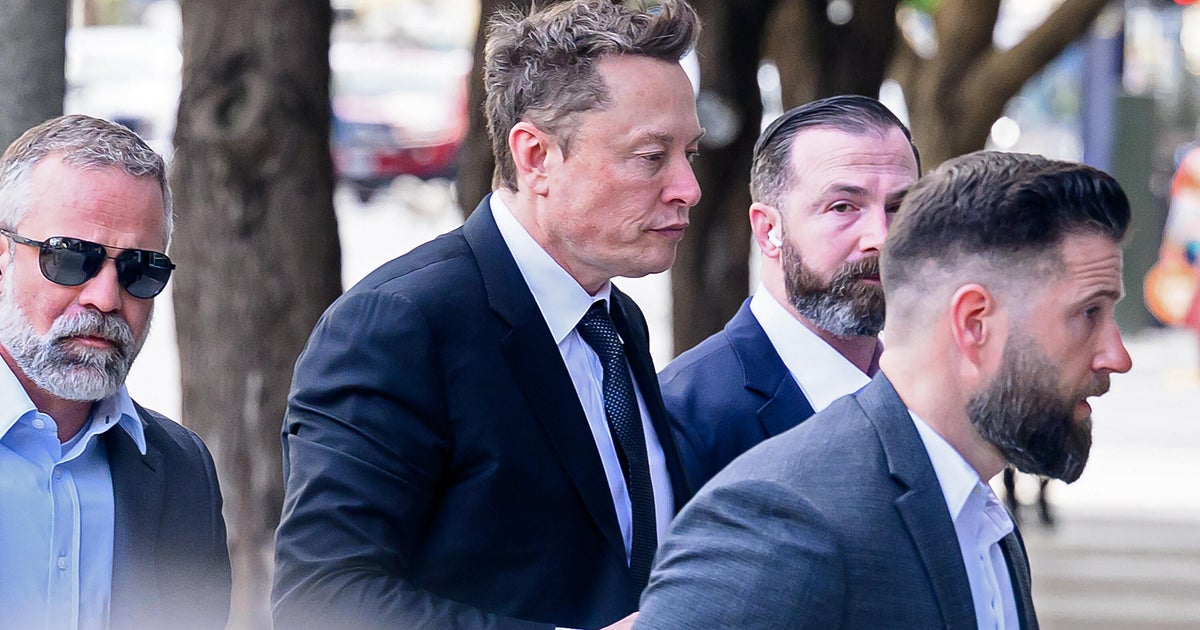
After nearly three weeks of proceedings and three days of careful consideration, a San Francisco jury has reached a significant decision in the legal battle surrounding Elon Musk’s controversial acquisition of Twitter. The nine-person jury found the billionaire entrepreneur liable for misleading investors by deliberately manipulating Twitter’s stock price during the chaotic period before his $44 billion purchase of the social media platform in 2022. However, the verdict wasn’t entirely against Musk—the jury also determined that while he did mislead investors, he didn’t engage in an intentional scheme to defraud them. This nuanced decision reflects the complexity of the case and the challenge jurors faced in determining Musk’s true intentions during those turbulent months when he appeared to be constantly changing his mind about whether he would actually complete the purchase of what would eventually become X.
The Core Issues: Tweets and Podcasts Under Scrutiny
The civil trial, which began on March 2nd, focused on a class-action lawsuit that was filed just before Musk took control of Twitter. The case centered on specific statements Musk made in May 2022, particularly two tweets and comments he shared during a podcast appearance. Jurors were tasked with determining whether these public statements constituted intentional fraud against Twitter shareholders who made the decision to sell their shares based on what Musk had said. The most controversial tweet among those examined was one where Musk declared that the Twitter deal was “temporarily on hold.” This single statement sent shockwaves through the market and had immediate consequences for Twitter’s stock price. The jury ultimately decided that Musk was liable for misleading investors with two of his tweets, including the “temporarily on hold” statement, but found that his podcast comments did not constitute fraud. This distinction suggests that the jury carefully evaluated each statement individually rather than making a blanket judgment about all of Musk’s communications during that period.
The Bot Battle: Musk’s Central Argument
A significant portion of the trial revolved around Musk’s persistent claims about the prevalence of fake accounts, or “bots,” on the Twitter platform. During his testimony, Musk argued that Twitter had far more fake and spam accounts than the 5% figure the company had officially disclosed in its regulatory filings with the Securities and Exchange Commission. This discrepancy became Musk’s primary justification for attempting to withdraw from the purchase agreement. Musk essentially accused Twitter of misrepresenting a fundamental aspect of its business—the authenticity of its user base—which would naturally affect the company’s value. The bot issue wasn’t just a technical detail; it became the cornerstone of Musk’s defense for his erratic behavior during the acquisition process. By claiming that Twitter had lied about something so fundamental to its business model, Musk was attempting to establish legal grounds for backing out of the deal he had originally agreed to, suggesting he had been deceived about what he was actually buying.
The Delaware Drama and Musk’s Reversal
The legal saga took several dramatic turns before reaching this San Francisco courtroom. After Musk attempted to back out of the Twitter purchase, citing concerns about bot accounts and other issues, Twitter didn’t simply accept his withdrawal. Instead, the company took aggressive legal action, filing suit in Delaware court to force Musk to honor his original agreement. Delaware, known for its business-friendly courts and extensive corporate law precedents, became the battleground where Twitter fought to hold Musk accountable to his commitment. As the Delaware case approached its scheduled trial date, with Twitter appearing to have a strong legal position, Musk suddenly reversed course once again. In a move that surprised many observers, he agreed to proceed with the acquisition at the original price he had promised—$44 billion. This last-minute decision to complete the deal didn’t end Musk’s legal troubles, however, as shareholders who had sold their stock during the period of uncertainty pursued their own claims, leading to this class-action lawsuit.
Financial Implications and Shareholder Compensation
While the jury’s verdict establishes Musk’s liability, the full financial consequences are still being determined. Because this is a class-action case involving thousands of shareholders—many of them large institutional investors—calculating the exact amount of damages is complex. CBS News has reached out to X, as Twitter is now called, for comment on the ruling, but the company has not yet responded. Legal experts suggest that the damages could potentially reach into the billions of dollars. The jury awarded shareholders compensation ranging from approximately $3 to $8 per stock for each day they were affected by Musk’s misleading statements. When multiplied across thousands of shareholders and the time period in question, these per-share, per-day damages can accumulate into a substantial sum. For context, Musk’s personal fortune is currently estimated at around $814 billion, with much of that wealth tied up in his Tesla shares. While even billions in damages might seem like a drop in the bucket compared to his total net worth, this case represents more than just a financial penalty—it’s a legal determination that one of the world’s wealthiest and most influential figures acted irresponsibly with information that affected thousands of investors.
Broader Implications for Social Media and Corporate Accountability
This verdict carries significance beyond the immediate financial penalties Musk may face. It sends a clear message about the responsibility that corporate leaders—especially those with massive social media followings like Musk—have when making public statements that can move markets. Musk’s habit of making consequential announcements via Twitter (now X) has long been controversial, previously landing him in hot water with the Securities and Exchange Commission over tweets about taking Tesla private. This case demonstrates that courts and juries are willing to hold even the world’s wealthiest individuals accountable when their statements mislead investors, regardless of whether those statements were part of an elaborate “scheme” or simply reckless communication. The distinction the jury made between liability for misleading statements and an intentional scheme to defraud is particularly interesting from a legal standpoint—it suggests that Musk’s chaotic communication style, while damaging to investors, may not have been part of a calculated plan but rather reflected his impulsive approach to major business decisions. As social media continues to blur the lines between personal expression and corporate communication, this case may serve as an important precedent for how courts evaluate the statements of high-profile business leaders in the digital age, potentially encouraging more careful and considered communication when billions of dollars and thousands of investors hang in the balance.